Planting methods and key technical points for the Chinese medicinal herb He Shou Wu (Polygonum multiflorum)
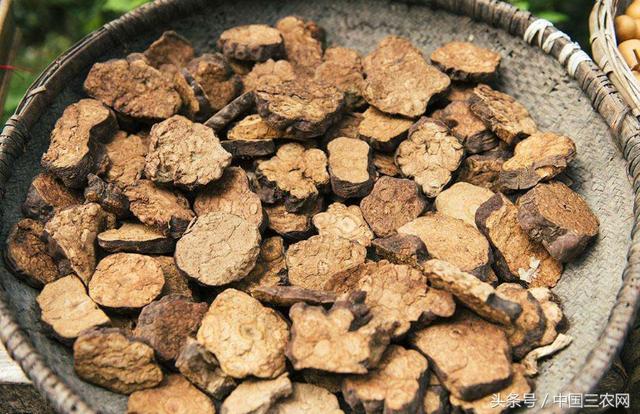
He Shou Wu (Polygonum multiflorum) has effects such as delaying aging, enhancing immunity, lowering blood lipids, resisting arteriosclerosis, and improving memory. Its taste is bitter, sweet, and astringent, and it enters the liver, heart, and kidney meridians.
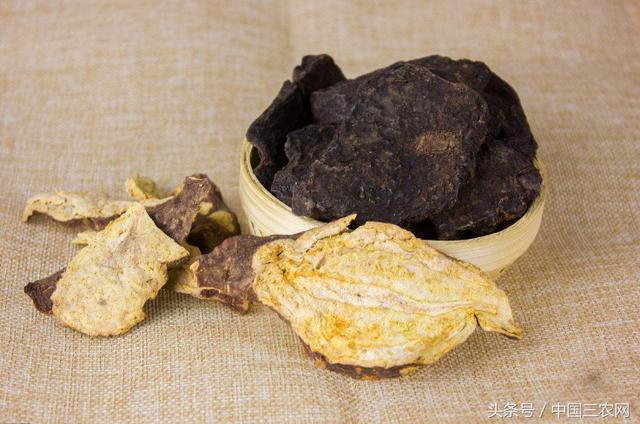
It is mainly used to nourish blood and enrich yin, moisten the intestines and move the bowels, treat malaria, dispel wind, and remove toxins. It is used for dizziness and blurred vision due to blood deficiency, palpitations, and frequent dreaming with insomnia; yin deficiency of the liver and kidney, soreness and weakness of the waist and knees, premature graying of hair, nocturnal emission, dry intestines and constipation, physical weakness, rubella and itching, sores and abscesses, scrofula, and hemorrhoids. Dosage: prepared He Shou Wu 15 grams (the black He Shou Wu processed by steaming and boiling together with black beans), He Shou Wu 8 grams (natural He Shou Wu, mostly brown).
Plants of the Polygonaceae family generally have a habit of preferring shady and damp environments, but since what we harvest from He Shou Wu is the tuberous root yield, it is necessary to choose a shady and damp place that does not accumulate water, and the soil must be loose and rich in humus soil, which is best. Often, those not cultivating on a large scale choose semi-sunny, semi-shady east- or west-facing mountain-edge corner land, ditch edges, forest edges, and forest-edge land at the top of terraced fields. These places have slope, do not accumulate water, and the humus from year-round fallen leaves on the mountain falls exactly in these zones, so when cultivated, almost no fertilizer needs to be applied, and the yield is quite considerable.
Propagation can use
1. Seed propagation. In October, when the fruit on the He Shou Wu vine is seen to be ripe, bring scissors and cut it off together with the infructescence, dry it in the shade, or dry it slightly in the sun, then rub out the seeds by hand and store them in a glass bottle for later use. In March of the second year, sow directly in the selected and prepared forest-edge land. Put 8 to 10 seeds per hole and cover with soil. When the seedlings are 5 cm tall, thin them so that each hole has 2 to 3 seedlings, and transplant the other strong seedlings elsewhere. In this way, the future yield will be the highest.
You can also choose a plot for seedling raising and transplanting. This uses drilling like planting sesame. Later, when the seedlings have grown to a certain extent, transplant them elsewhere. This uses a large amount of seed and is suitable for field cultivators, with a moderate yield.
2. Cutting propagation. In May, choose vigorous, pest- and disease-free, one-year-old thick and mature vines, remove the tender stems, take the middle sections, and cut them into 20 to 30 cm long cuttings. Each one must have 3 nodes. Arrange the cuttings so the top and bottom are matched correctly (it is useless if reversed), then dip the lower part of the cuttings into pre-mixed yellow mud slurry (for the yellow mud slurry, use true yellow mud from about one meter deep in the soil, add rooting powder, and mix with water). After letting them dry (so that when inserted wet, the rooting powder mud on the head is not all carried onto the upper part of the cutting), insert them into the leveled and finely prepared planting land at the specified row and plant spacing to a depth of about 7 to 10 cm, press the soil firmly, and then water once with fine, thorough water. After the cuttings survive and grow 1 to 2 new leaves, they can be transplanted elsewhere.
3. Layering propagation. In July, during the period of vigorous branch growth of He Shou Wu, choose robust, pest- and disease-free 3- to 4-year-old plants, bend their vines and press them into the soil, make a small wound at the buried place with a small knife, bury them in the soil to a depth of 3 to 5 cm, fix them with a forked branch, then cover with soil and press firmly. Soon root buds will grow at the cut wound. At this time, apply one additional fertilizer, and cultivate until before sprouting in the spring of the next year, then cut off the front part with scissors. In this way, they can be dug up and planted separately. This kind has a higher yield than cuttings.
The basic propagation methods have all been taught, so then comes management. This is easy to manage.
1. Weeding. Remember to weed once a month, but do not weed too frequently, as that instead is not beneficial for retaining moisture.
2. Drainage. He Shou Wu needs to keep the soil moist for survival and for the growth of underground tuberous roots, but after rain, just prevent water from accumulating for too long.
3. Topdressing. Generally, for non-field cultivation, those planted along mountain edges do not need fertilization; field cultivation needs topdressing with soil and miscellaneous fertilizer.4. Set up supports. After the second year, He Shou Wu has especially many and long vines. It is best to set up a bamboo pole at each hole to let the vines grow upward, and remove the lower leaves to facilitate ventilation and light penetration, which helps increase the yield of underground tuberous roots. If there are far too many vines, they must be pruned away; at most do not leave more than 3, as more will affect tuberous root growth.
5. Hilling. Every winter, hill up soil around the tuberous roots to help them overwinter.