What are the pros and cons of dental implants? Read this and you will understand it all
Pros and cons of dental implants?Dental implants have long been an eye-catching restoration method in the field of missing tooth restoration, because with missing teeth, chewing food is very difficult, and once the chewing performance of the teeth weakens, food cannot be chewed well, which can trigger unexplained digestive system diseases and often cause gastrointestinal discomfort. Patients with missing teeth can now achieve complete teeth through dental implant technology. But everything has both advantages and disadvantages. What are the pros and cons of dental implants?
At present, dental implants are a relatively ideal method for treating missing teeth, able to restore the oral function of people with missing teeth to a great extent, without grinding down teeth, without damage to the teeth on both sides, achieving overall coordination and an aesthetic effect, with good comfort, and without the base and clasps of removable dentures, so there is no dulled sense of taste or discomfort. We cannot deny that dental implants have obvious advantages, but any technology has its pros and cons. Next, let us take you through a detailed understanding of dental implants:
Pros: Function similar to real teeth, hailed as "humanity's third set of teeth"
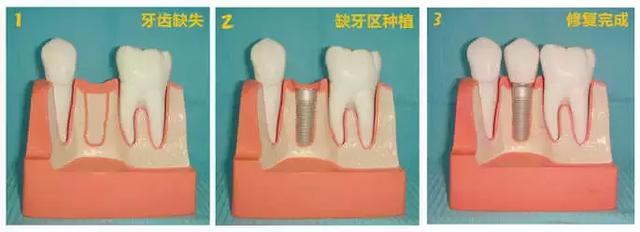
1. Can hinder alveolar bone resorption. When teeth are healthy, the alveolar bone generally does not resorb, but after teeth fall out, alveolar bone resorption proceeds rapidly, and the jawbone noticeably shrinks. Denture restoration places a burden on the alveolar bone, while artificial dental implants can make the bone around the alveolar bone firmer, reduce resorption, and serve the function of maintaining the alveolar bone.
2. Does not damage adjacent teeth. Artificial dental implants exist independently and will not affect adjacent teeth or healthy teeth, so they will not have an adverse effect on the surrounding teeth.
3. Restores chewing function. At present, China's dental implant technology has become increasingly mature, the success rates of many implant brands are relatively high, chewing efficiency can also be restored to more than 90%, and the feel when chewing is also much better than that of traditional dentures.
4. Comfortable and attractive. Dental implants do not need structures such as bases and clasps for retention, and are completely the same as real teeth in appearance and function. Successful dental implants produce no foreign body sensation in the mouth, and no metal is exposed, which helps maintain oral hygiene, and is comfortable and attractive, with the effect being even more obvious when restoring the function of front teeth.
5. The principle of dental implants is scientific. Natural teeth transmit the chewing pressure in the mouth to the alveolar bone through the tooth roots, while dental implants transmit the chewing pressure to the alveolar bone through the implant body. The biomechanical principle is the same, so they can withstand strong forces, and chewing efficiency is greatly improved compared with traditional dentures. This also gives you more strength when eating.
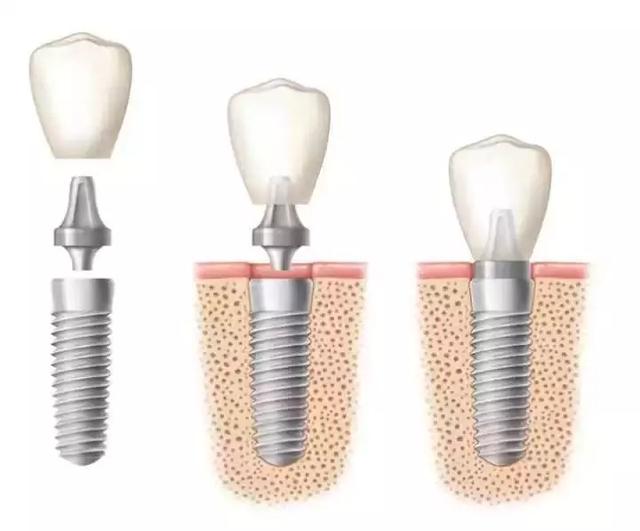
Cons: Strict indications, and dental implants are costly
1. The cost of dental implants is relatively high.
2. Dental implants are also a minor surgery, and require enduring one surgical trauma.
3. The requirements for a patient's physical condition are relatively high, and not everyone can undergo dental implant restoration.
4. Patients need regular follow-up examinations, and only by cooperating well with the oral implant doctor can good results be achieved.
5. The treatment period for dental implants is relatively long. From the first surgery to the completion of denture fabrication, it takes about 4-7 months.
6. Patients need to carefully carry out oral hygiene care and correct poor chewing habits and bad habits in order to extend the lifespan of artificial dental implants.
1. Wide range of use: Dental implants have a very good restoration effect for a single missing tooth, and dental implants can completely avoid the various shortcomings of traditional dentures.
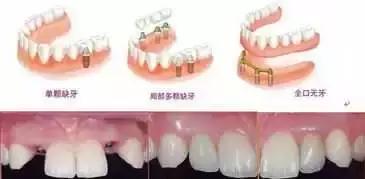
2. No damage to adjacent teeth: Dental implants have their own tooth roots, so there is no need to grind the patient's teeth to fix the teeth, and therefore no harm is caused to adjacent teeth.
3. Protects the alveolar bone: Dental implants play a very good protective role for the alveolar bone. Human teeth are like large trees; only when the roots are deep and firm can the branches and leaves flourish. After teeth are lost, the alveolar bone is like soil and water loss, and the alveolar bone will undergo varying degrees of disuse atrophy.
4. Convenient to use: Because dental implants have a small denture base and no structures such as bases and clasps, they are attractive and comfortable, produce no foreign body sensation, have little effect on pronunciation, and are more convenient for patients to use.
5. Remarkable effect: Natural teeth transmit the chewing pressure in the mouth to the alveolar bone through the tooth roots, while dental implants transmit the chewing pressure to the alveolar bone through artificial tooth roots. The biomechanical principle is the same, and even strong forces can be withstood, with chewing efficiency greatly improved compared with traditional dentures.
Because dental implants have the three major advantages of being stable and firm, comfortable and attractive, and safe and durable, they are hailed as humanity's third set of teeth.


Business philosophy: Love and sincerity, green medical care, one-price medical care
Purpose: Great virtue and careful practice, truth-seeking and innovation, sincere care, quality service
Pengcheng Dental 21 years, customizing perfect teeth with technology