Asparagus Home Cultivation Methods and Technical Key Points
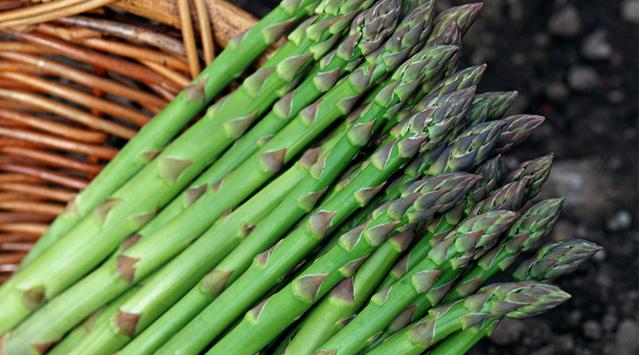
The editor recently noticed that some people have shifted their passion for growing flowers to growing vegetables. A few days ago, a flower enthusiast consulted the editor about how to grow asparagus at home. Home vegetable growing really has many benefits, so today Xiaomei will introduce the methods for growing asparagus at home.
Asparagus, also known as shidiao bai or longxucai, with the local name shan baomi, is a perennial plant of the Liliaceae family. The young stems of asparagus turn green after emerging from the soil and being exposed to light, and are called green asparagus, mainly for fresh consumption; when earthed up and blanched, they turn white and are called white asparagus, mostly used as raw material for canned food. Asparagus is delicious, nutrient-rich, and also has relatively high medicinal value; it can lower blood pressure, prevent and treat diseases of the cardiovascular, urinary, and lymphatic systems, and has a unique anti-cancer effect.
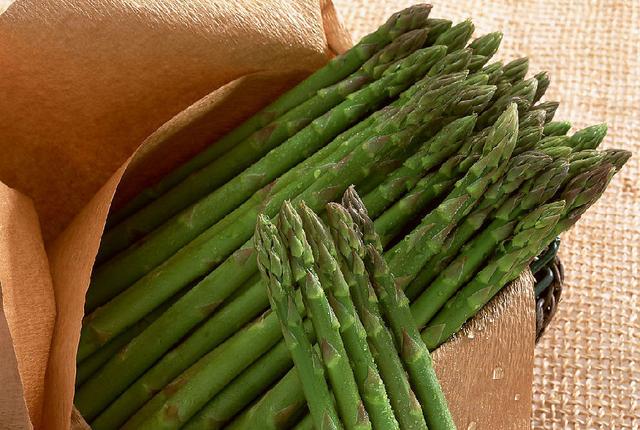
Determining the sowing period: Based on the temperature requirements for asparagus seed germination. Open-field sowing must begin when the soil temperature is above 10°C. When the soil temperature is above 30°C, it hinders seed germination and young stem growth, so sowing is not suitable. Generally, the growing season in the north is short, so only spring sowing is practiced; in the south, besides spring sowing, autumn sowing can also be practiced.
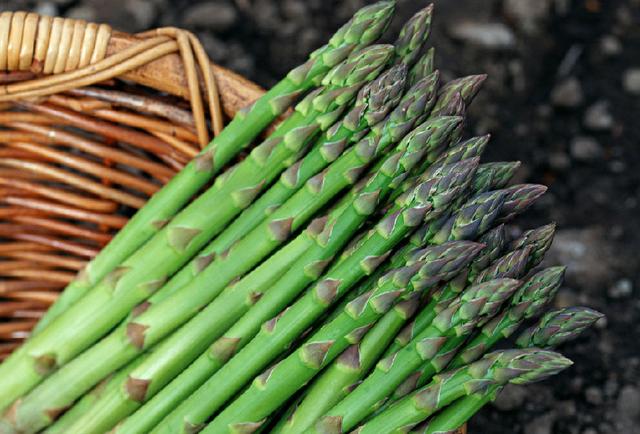
There is one point to note in asparagus cultivation: asparagus seeds need to undergo a low-temperature vernalization process, so the seeds all need pre-treatment; after winter low-temperature vernalization, sowing the following year is most suitable.
Pre-sowing treatment:
Because the seed coat of asparagus seeds is leathery, has poor water permeability, absorbs water slowly, and the depth of seed dormancy varies, germination is slow at low temperatures and the emergence period is long. To accelerate germination and emergence, the following methods can be used:
Seed soaking: Before sowing, soak the seeds in water at 20-25°C for 2 days. Change the water once each morning and evening.
Low-temperature treatment: After moistening new seeds, place them at a low temperature of 0-5°C for 60 days, or stratify the seeds with moist yellow sand in the open field over winter, to help complete the dormant period.
Seed selection: Use 1-year-old seeds for sowing, but they should be stored in a dry, sealed place.
Watering: From sowing to emergence, pay attention to water supply to prevent drought. When sowing during a dry period, water thoroughly at the base first, and sow when the soil moisture content is suitable. After sowing, cover with plastic film to prevent water evaporation, raise soil temperature, and promote seed germination.
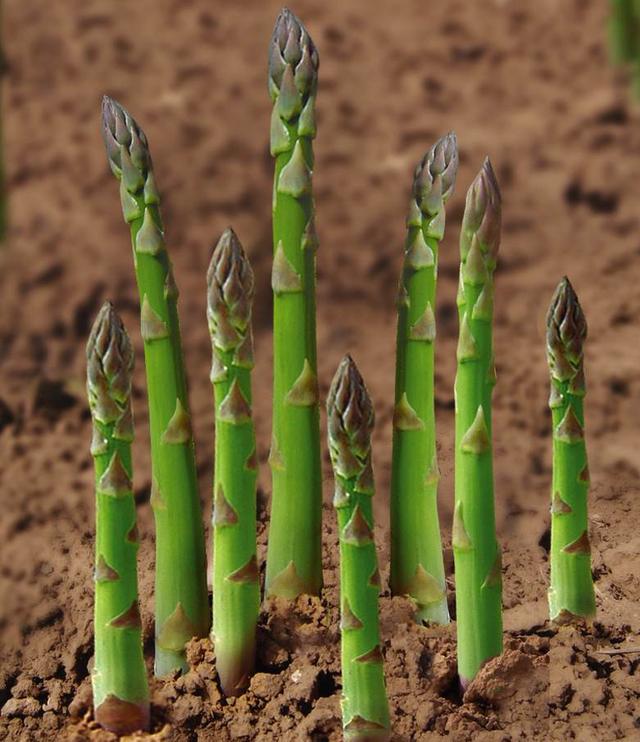
Asparagus cultivation management: Asparagus has strong adaptability to temperature, being both cold-resistant and heat-resistant. When growing asparagus, the soil should be chosen as loose, well-aerated, fertile soil rich in organic matter. In addition, asparagus is extremely intolerant of waterlogging; standing water will cause root rot and death. Pay attention to drainage during the rainy season.
Advertisements
The world of grassroots, the grassroots of the world, bringing everyone all kinds of eye-opening grassroots information every day.
For more exciting content, please followGrassroots PlatformWeChat Official Account:cg00200