How to grow shiitake mushrooms for high yields? A full analysis of the key cultivation techniques
The commonly used substrate formula is 78% hardwood sawdust or mulberry branch powder, cottonseed hulls, reed, Dicranopteris pedata, Miscanthus floridulus and other wild grass powder, 20% wheat bran or wheat bran plus rice bran, and 1% each of gypsum and sugar.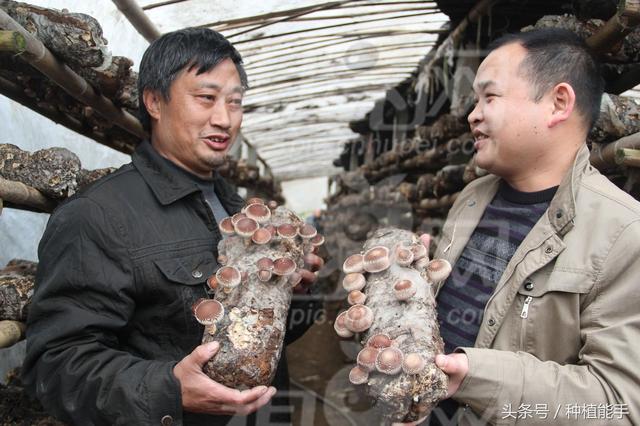
To make the substrate logs, dissolve the sugar in water; first mix the gypsum with a small amount of sawdust, then add it to the sawdust and wheat bran; mix dry first, then add the sugar water and clean water, with the amount of water added being 1.2-1.3 times the weight of the dry substrate; after mixing repeatedly, use a bagging machine to fill the substrate bag by bag into plastic tube bags, with each bag holding about 1.9 kg; wipe clean the bag opening and the outside of the bag, tie the bag opening tightly, poke a small air hole with an iron wire at one end of each bag, and stick on adhesive tape or paper.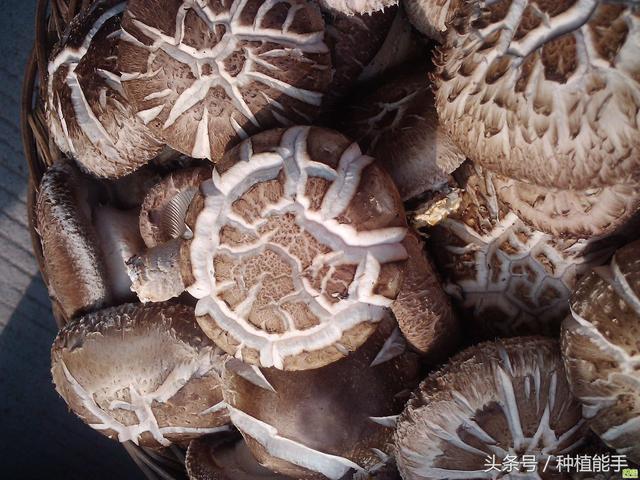
Then carry out sterilization: arrange the substrate logs in 2-3 parallel layers on the steaming rack, leaving gaps along the vertical central plane for steam to circulate; first heat over high fire, and after reaching 100°C switch to low fire and keep it for 10-12 hours; after stopping the fire, let it cool naturally, and when it drops below 80°C, open the door and take out the substrate logs to cool. Move the substrate logs whose substrate has cooled below 28°C into the inoculation box, fumigate again for half an hour, and then punch holes, inoculate and seal the openings one after another.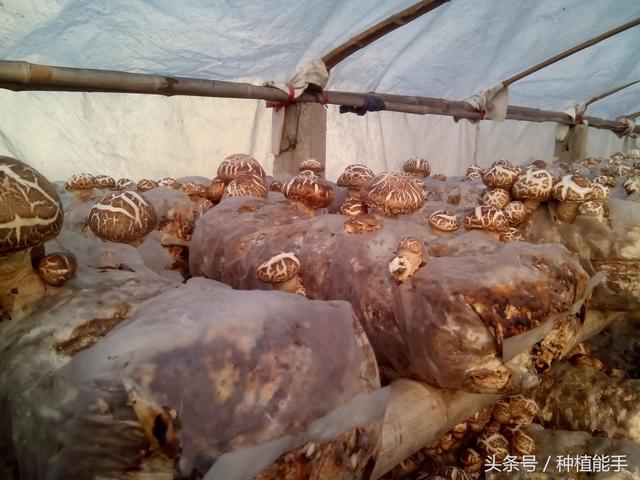
In the spawn-running room, stack the substrate logs in a "#" shape, with each stack 8-10 layers high. Leave walkways between stacks. The culture room should be shaded from light, with a room temperature below 25°C, relative air humidity below 70%, and fresh air; open the doors and windows every day for ventilation, turn the stacks once after 10 days, and remove substrate logs contaminated by foreign fungi; after 20 days, change the stacking of the substrate logs to a "△" shape to lower the stack temperature.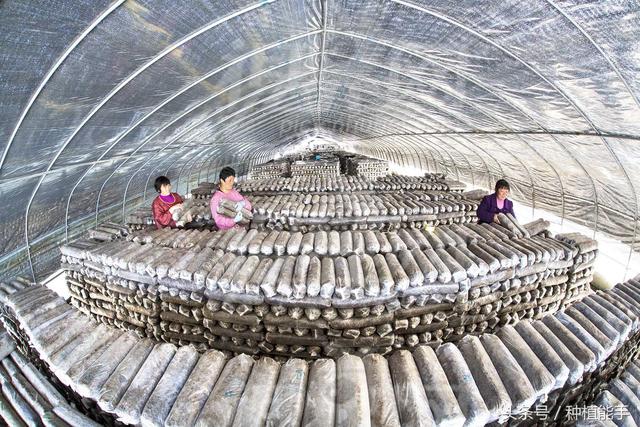
Prick some small holes on the bag wall near the outer edge of the mycelial ring to increase air permeability and speed up spawn running. When the mycelium has covered the substrate log, accompanied by a few brown spots, and there are elastic nodular protrusions around the inoculation holes, it means the mycelium has reached physiological maturity; the tube bag can then be peeled off, and the substrate logs placed obliquely on the mushroom rack with a spacing of 2-3 cm and covered closely with plastic film. Do not open the film for 4 days, keeping it at about 26°C with relative humidity above 85%. After white fluffy mycelium has grown all over, ventilate 1-2 times a day to force the mycelium to lie flat into a mycelial film; after a week, brown water droplets appear, which can be washed off by spraying water, and the color of the mycelial film gradually deepens until it turns brown.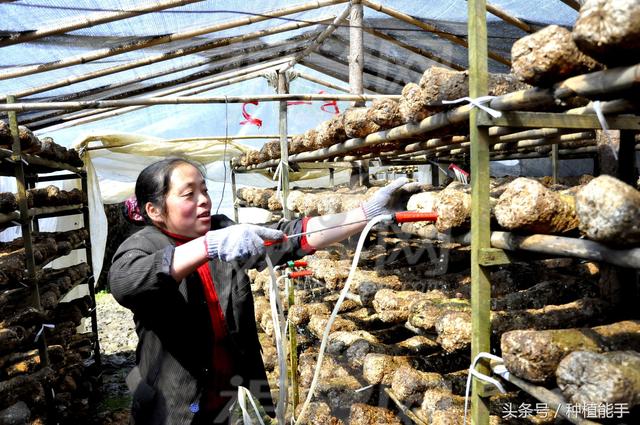
The fruiting period is from October to May of the following year, with more than 10 harvests in succession; uncover the film for ventilation every day and spray water onto the ground and into the air; after harvesting the second flush, soak or inject water into the substrate logs that are more short of water; after each flush is harvested, stop spraying for 2-3 days to promote recovery of mycelial growth; in early autumn and late spring, take cooling measures such as adding shade material, spraying water in the surrounding environment, and increasing the number of times the film is uncovered; while in winter, pay attention to keeping warm and increasing light transmission; harvest shiitake mushrooms when the caps show a "copper gong rolled edge" shape.