A Complete Guide to Osmanthus Planting Techniques and Care Methods
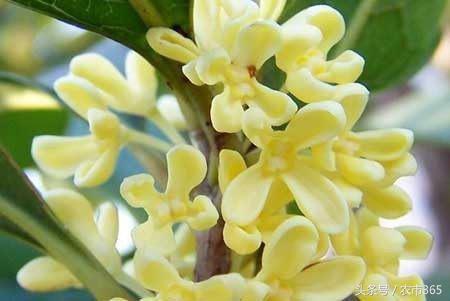
1. The benefits and effects of osmanthus (tea)
Osmanthus is pungent in flavor and can be used as medicine. It has effects such as resolving phlegm, relieving cough, promoting body fluid production, and stopping toothache.
Osmanthus has a fragrant scent that lasts a long time. It can be used to make pastries (osmanthus cake), candy, and can also be used to brew wine. In addition, it is often made into osmanthus sugar, osmanthus tangyuan, and more. In Nanjing, China, during the process of making salted duck, osmanthus is added to increase the fragrance, and it is also called osmanthus duck.
2. Osmanthus tree planting techniques
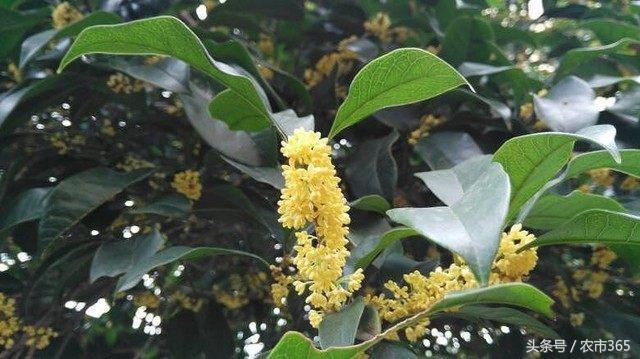
There are many propagation methods for osmanthus, including sowing, grafting, layering, and cuttings. Osmanthus sends out new branches twice a year in spring and autumn, but the spring shoots grow best.
The living environment the flower needs. Osmanthus prefers a warm environment and is suitable for growing in deep soil that drains well, is fertile, rich in humus, and slightly acidic sandy soil. It is not tolerant of drought or barren conditions. In shallow, compacted, and infertile soil, it grows especially slowly, with sparse branches and leaves, small thin leaves, yellowed leaf color, no flowering or very little flowering, and even periodic dieback of the top; in severe cases, the entire osmanthus plant dies; it likes sunlight but has a certain capacity for shade tolerance.
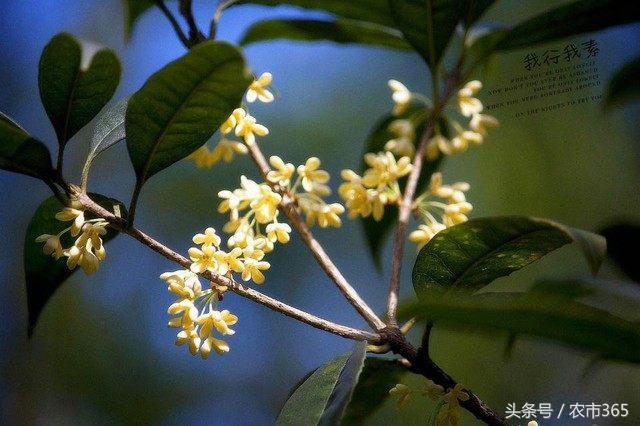
The second pruning is carried out in early spring before the buds sprout, cutting away all the dead branches, thin weak branches, and diseased and pest-damaged branches after winter. If the plant is too tall and has few lower branches with an unattractive shape, the top of the main trunk can be cut off to cause adventitious buds to form on the lower part and sprout new branches. In addition, during the growth period, the sprouting and tillering branches should often be cut off so that nutrients are concentrated and favorable for spring shoot growth and flower formation.
--To learn more, follow the Nongshi 365 official website (http://www.xns365.cn) or follow the WeChat public account (Nongshi 365)--