A Detailed Guide to Growing and Eating Rosemary
 Growing Methods
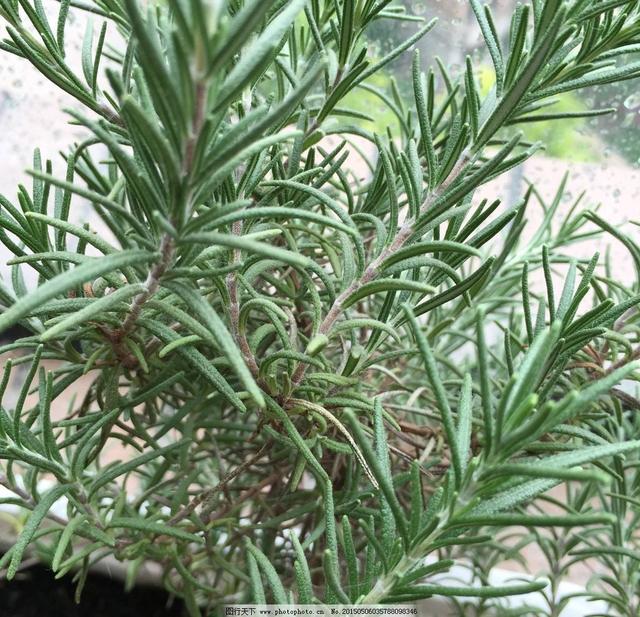
Rosemary is a plant that likes warmth and fears the cold, so it is suitable for growing in climates where there is no cold snap in winter. As for water supply, rosemary is a relatively drought-tolerant plant, so sandy soil should be chosen for cultivation. In addition, because rosemary does not have a strong ability to regenerate, it grows very slowly, and its old branches tend to become woody easily, so great care must be taken when pruning.
 Eating Methods
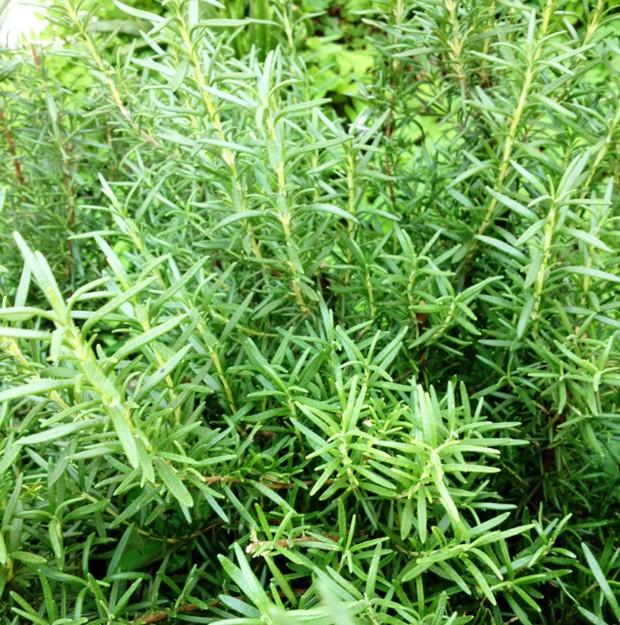
The fresh young branches and leaves have a strong fragrance and can remove the gamy smell of meat. Just a few young stems and leaves (no need to use too many, so as not to overwhelm the original flavor of the food) are enough to make fragrant roasted ribs (pork ribs, lamb ribs and beef short ribs). Rosemary roast chicken is especially good.
For lettuce used in salads, if a few rosemary leaves are added when blanching, the distinctive aroma blends into the dish very easily. For dishes that need long heating, you can use dried rosemary or adda little rosemary powder after cooking. Fresh rosemary flowers can also be used in cold salads, as a garnish for dishes, and to add fragrance and flavor.