Detailed Explanation of Banana Planting Methods and Management Techniques
The Role of Bananas
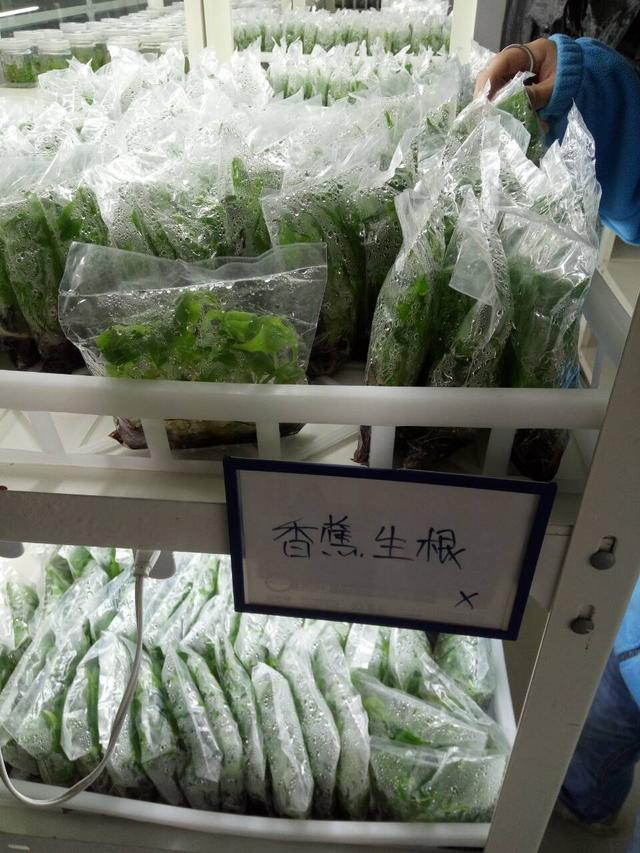
Tissue-cultured plantlets
Replenishing energy
Athletes like to eat bananas before taking the field, which helps their on-the-spot performance. From a nutritional perspective, the sugars in bananas can be rapidly converted into glucose and immediately absorbed by the body, making them a quick source of energy.
2. Lowering blood pressure
Potassium has an inhibitory effect on sodium in the human body. Eating more bananas can lower blood pressure and prevent high blood pressure and cardiovascular disease. Research shows that eating two bananas a day can effectively reduce blood pressure by 10%.
4. Moistening the intestines
Bananas contain abundant soluble fiber, namely pectin, which can aid digestion and regulate gastrointestinal function.
5. Aiding sleep
Bananas are also effective for people with insomnia or emotional tension, because the protein contained in bananas includes amino acids that have a calming effect on the nerves. Therefore, eating a banana before bed can have somewhat of a sedative effect.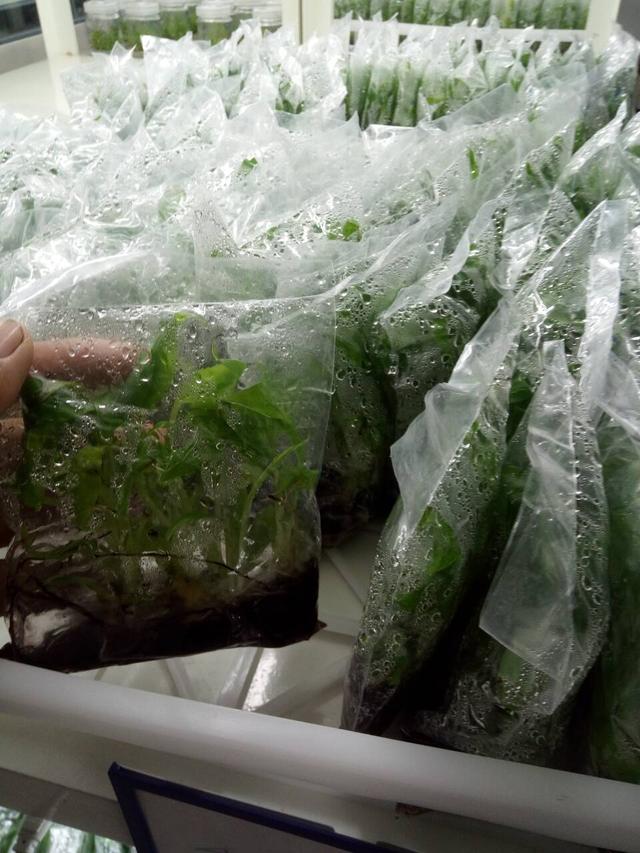
Tissue-cultured plantlets
Acclimatization of banana tissue-cultured plantlets
1. First, bring the tissue-cultured plantlets outdoors and leave them for 2-3 days, then open the bags or bottle mouths to allow them to adapt to the greenhouse environment. Set aside for later use.
2. Soil selection: Choose loose, breathable peat soil with a high peat content, add a small amount of perlite, vermiculite and fermented organic fertilizer, mix thoroughly, spray with water until saturated, and prepare the seedling bed for later use.
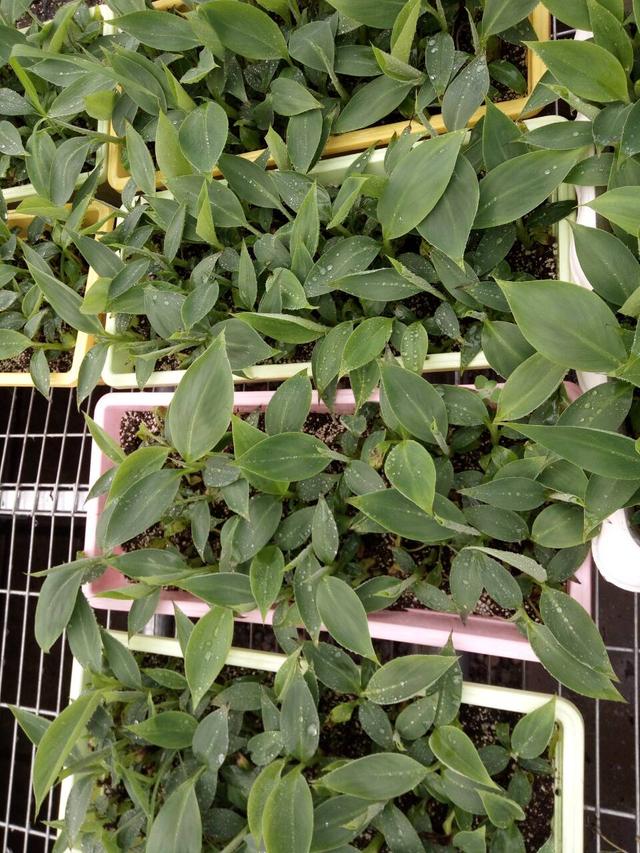
Small seedlings
3. Removing plantlets: Remove the tissue-cultured plantlets from the bottles or bags, and wash off the culture medium on the root surface with warm water. Because the culture medium contains a large amount of sugar, in an outdoor environment it easily breeds bacteria and attracts pests that damage the root system of tissue-cultured plantlets, causing their death.
4. Soak the tissue-cultured plantlets washed with warm water in 5% carbendazim plus 2% rooting agent for 3-5 minutes to kill bacteria infecting the plantlets through artificial mechanical damage caused during removal, and also to speed up seedling recovery and increase the survival rate.
5. Planting in the seedling bed: Classify the banana plantlets by large, medium and small, and plant them in separate zones to prevent the banana plantlets from affecting each other and causing uneven growth, while also improving the visual appearance.
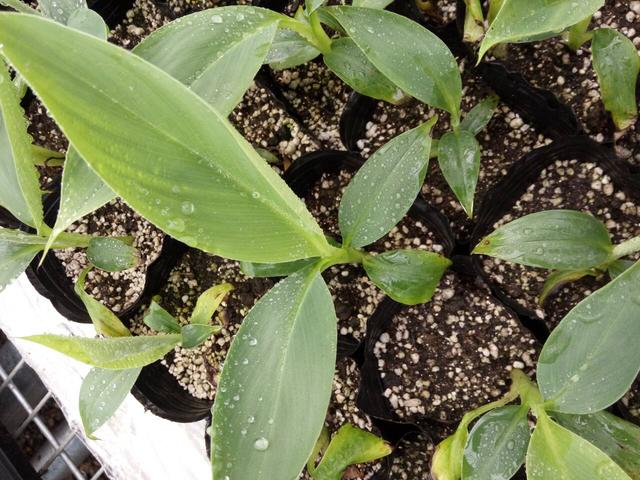
Banana seedlings
6. Seedling-stage care: Because the tissue-cultured plantlets still have relatively poor adaptability to the external environment just after planting, we still need to provide shade treatment in the early stage, shading before 9 o'clock every morning and uncovering after 4 o'clock in the afternoon. Keep this up for about 10 days. After the tissue-cultured plantlets have formally adapted, simply watering, spraying pesticides and fertilizing is enough.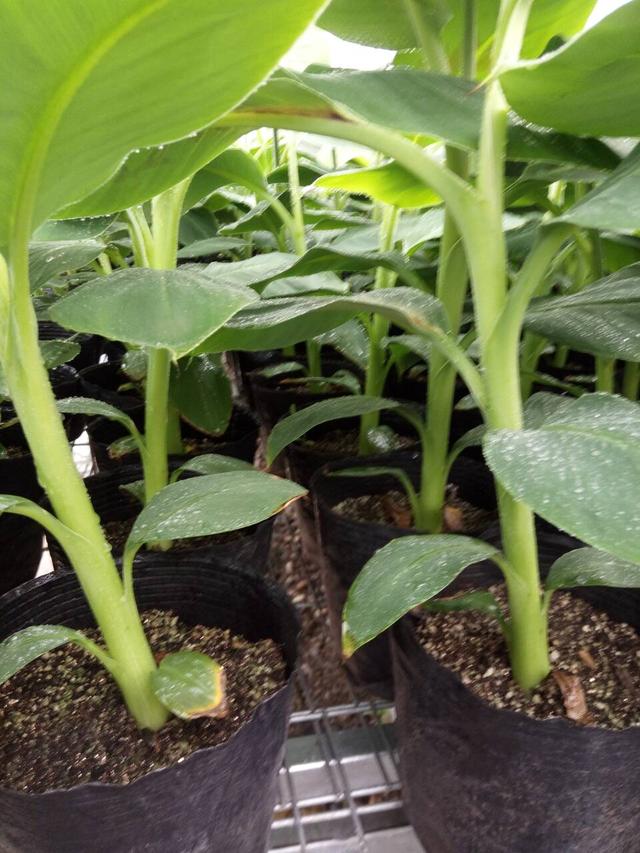
Nutrient cup seedlings
7. Transplanting: When the tissue-cultured plantlets in the seedling bed have grown to between 18-25cm, they can be transplanted. Apply sufficient base fertilizer, mainly high-nitrogen and high-potassium fertilizer at 40-50 kg per mu, balanced fertilizer at 40-60 kg, plus farmyard manure at 2000-3000 kg, spread evenly across the field, plow the field well and carry out planting, with a plant spacing and row spacing of 2.5*2.3 m being suitable, planting 180-200 plants per mu. The planting depth should be 2-3 cm above the original seedling bed depth.
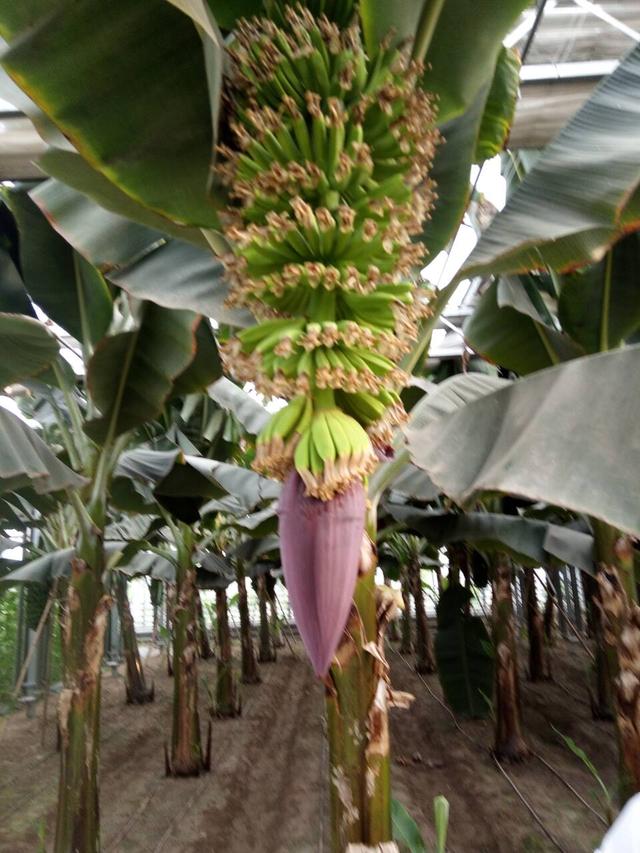
Banana at flowering stage
8. The main pests and diseases of bananas include leaf spot, black spot, wilt, axis rot, nematodes, red spiders, etc., with advance prevention as the main approach.
Banana at fruiting stage