A Detailed Guide to Spinach Planting Methods and Key Techniques
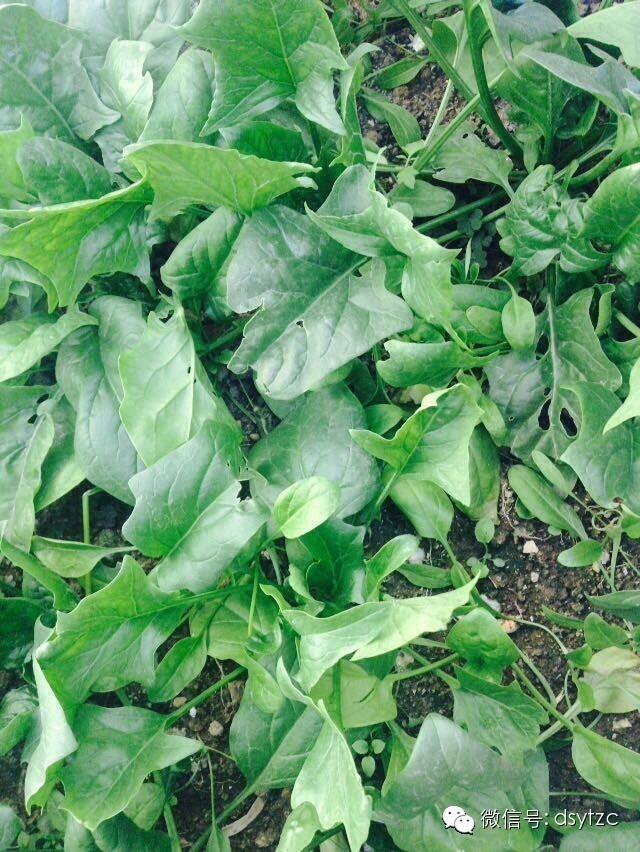
Spinach - Seedling Raising
Spinach has poorly developed lateral roots and does not tolerate transplanting, so it is usually direct-sown. Seeds can generally be stored for 3 to 5 years, and 1- to 2-year-old seeds have stronger germination capacity. They can germinate above 4°C, with an optimum germination temperature of 15 to 20°C; the germination rate decreases above 35°C, and dry seeds germinate more slowly.
① Soak the seeds in a 0.1% potassium permanganate solution for about 15 minutes, then soak them in water at about 25°C for 10 to 12 hours. Remove them and dry them in a cool, shady place until the seed surface is slightly dry, then sow.
In hot weather, the seeds can be pre-germinated after soaking, that is, wrap them in a damp cloth (or paper towel) and keep them at about 15 to 20°C; sow after most of the seeds have sprouted.
② After watering the potting soil thoroughly, scatter the seeds on the soil surface, cover with about 1 to 2 cm of soil, and press down lightly. They sprout in about 1 week; if the surface soil dries out before germination, water with a spray bottle. The seedlings grow slowly at first and begin to speed up after 2 true leaves appear; generally water once every 2 to 4 days, just keeping the soil moist.
③ If the seedlings are too dense, thin them once at the 3 to 4 true-leaf stage; if the seedlings are growing weakly, spray once with diluted decomposed organic fertilizer.
Spinach - Daily Management
① From the 4 to 5 true-leaf stage onward, the leaves grow vigorously; according to growth conditions, spray with decomposed organic fertilizer (a complete fertilizer with nitrogen, phosphorus and potassium is needed, with higher requirements for potassium and nitrogen) to promote growth.
② It does not tolerate waterlogging and needs sufficient water during the growing period; avoid drought. Generally water once every 1 to 2 days, and in hot weather water in the morning and evening as needed, keeping the soil moist.
③ Thin at the 4 to 5 true-leaf stage, usually pulling out the larger seedlings and letting the smaller ones continue to grow; after harvesting, apply decomposed organic fertilizer once as a top dressing.
Note: In the early growth stage and when temperatures are high, apply thin fertilizer; in the late growth stage and when temperatures are lower, the concentration can be appropriately increased.
④ It does not tolerate high temperatures and is very cold-hardy. The optimum growing temperature is 15 to 25°C; it can still grow above 0°C, but growth is slow. Spinach seedlings with 4 to 6 true leaves are the most cold-hardy, and can overwinter safely outdoors at around -10°C; they can tolerate short-term low temperatures of -40 to -30°C.
⑤ It likes sufficient light but does not tolerate scorching sun, so shading is needed; when light exposure exceeds 12 hours per day, it tends to bolt. The growing period is short, and there are relatively few pests and diseases.
Spinach - Harvesting
The plants can be harvested for eating starting at the 4 to 5 true-leaf stage, and the height should not exceed 30 cm.
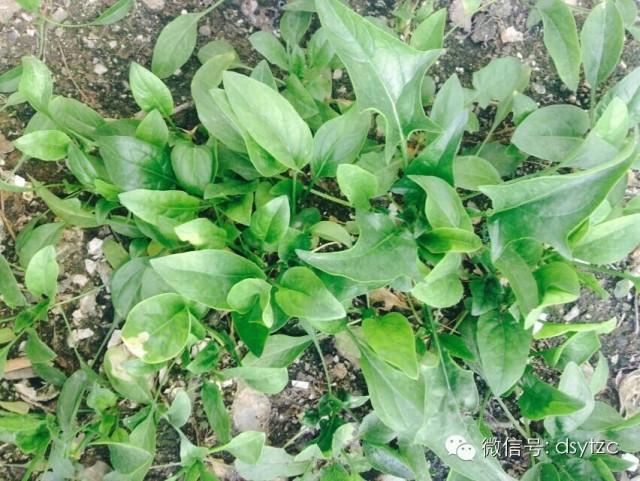
Spinach - Nutritional Value
Rich in vitamins and minerals, it is called a "treasure house of nutrition" and is an excellent source of magnesium, iron, potassium, calcium, vitamin A and vitamin C; it is also relatively rich in phosphorus, zinc, pantothenic acid and vitamin B6. It contains insulin-like substances that can help keep blood sugar stable. It contains a large amount of oxalate, and eating too much may be harmful to the body.
(Text/Caiba Editor: caiba_org)