Key Techniques and Precautions for Cultivating Edible Mushrooms in Summer
In summer, because the temperature is too high, the cultivation of many edible mushrooms is restricted. How to cultivate edible mushrooms in summer and use the off-season of edible mushrooms to gain economic income is a concern of many mushroom farmers. Now, based on many years of practical experience in summer cultivation, it is shared with everyone.
1. In the selection of mushroom spawn
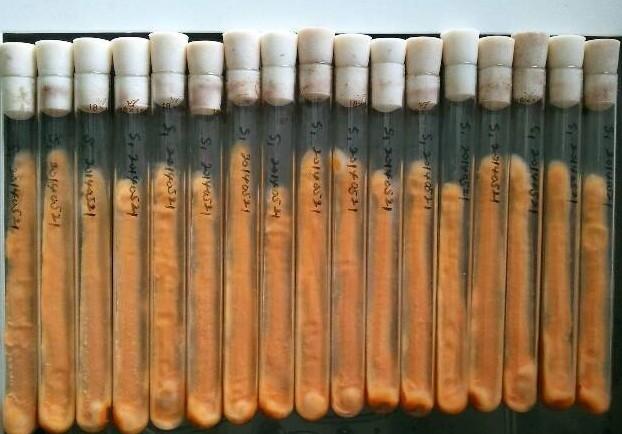
Selection of mushroom spawn
In the selection of mushroom spawn, suitable varieties for cultivation should be chosen according to local climate characteristics. Do not use aged or contaminated spawn; robust, high-quality, disease-resistant spawn should be selected.
2. Fine management
Attention should be paid to the hygiene of raw materials, mushroom bags, and tools. Waste materials should not be piled near the cultivation room; they must be used only after high-temperature composting. New and old bags in the cultivation room must be stored separately in different rooms and must not be piled together, so as to achieve strict sterilization and disinfection. After each harvest, promptly clean up the mushroom bases and rotten mushrooms on the cultivation bags, and the mushrooms that have fallen on the ground, and promptly clean the mushroom room and strictly disinfect it.
3. Scientific mushroom cultivation
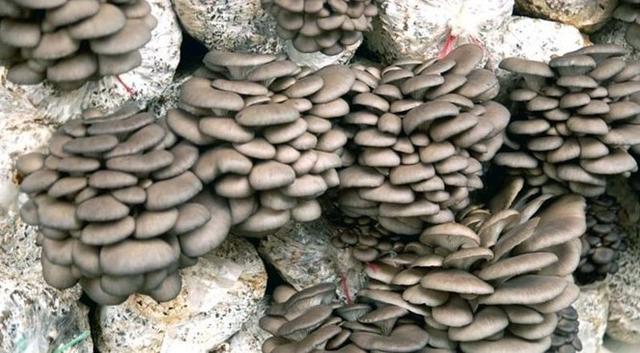
Scientific mushroom cultivation
For different types of edible mushrooms, according to the requirements of their growth and development conditions, scientifically regulate the temperature, humidity, light, pH value, etc. of the culture room, and provide appropriate ventilation to promote healthy mycelial growth and prevent adverse environments of high temperature and high humidity. At every stage, including the selection of mushroom spawn, the ratio of culture materials, pile fermentation, inoculation and mycelial growth, and fruiting management, strict control must be exercised to cultivate strong mycelia and fruiting bodies and enhance their disease resistance.
4. Fertilization
Spraying peptone and yeast extract solution can make the mushroom bodies thick and promote flushing; spraying rice vinegar. In the middle and late stages of oyster mushroom growth, spraying the mushroom surface with a 300-fold edible rice vinegar solution can promote increased yield and make the color more pure white; spraying the soaking liquid of the culture material can extend the peak fruiting period and make the fruiting bodies thick; spraying glucose and calcium carbonate solution has the effect of promoting mycelial growth.
5. Water management
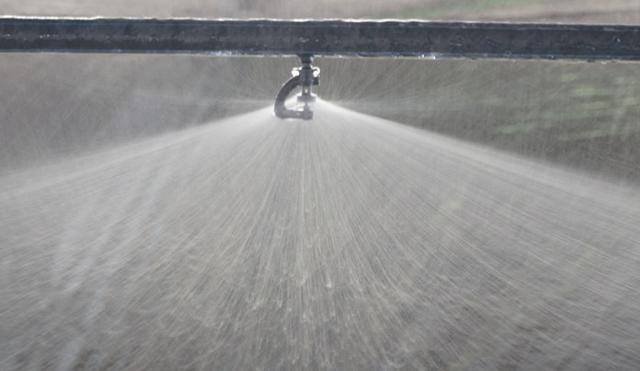
Sprinkler irrigation for edible mushrooms
The mushroom room should always maintain good ventilation, and the relative air humidity should not exceed 95%. When the natural temperature reaches 16°C, irrigate once in the bed, and afterward spray water once each in the morning, at noon, and in the evening every day. Try to spray water toward the space and the ground, and do not spray it onto the fruiting bodies. In low-temperature seasons, it is best to spray warm water that has been warmed by sunlight.
6. Temperature management
The temperature of the mushroom shed is best controlled at 10-18°C. When the temperature is lower, extend the time of sunlight exposure during the day, and at night cover the straw curtains tightly. When the temperature is higher, cover the straw curtains during the day and uncover them at night.
7. Ventilation management
When the temperature is higher, uncover the straw curtains every day for 2-3 hours of ventilation; ventilate less in low-temperature and windy weather; increase ventilation before and after spraying water in the morning and evening; ventilate less during the mushroom bud differentiation stage, and ventilate more during the mushroom bud growth stage.
8. Light management
During the mushroom bud growth stage, stable scattered light is needed. Persist in airing and exposing them for 1-2 hours every morning and evening to increase weak direct light. When fruiting, strong direct light must be avoided.
9. Prevention and control of pests and diseases
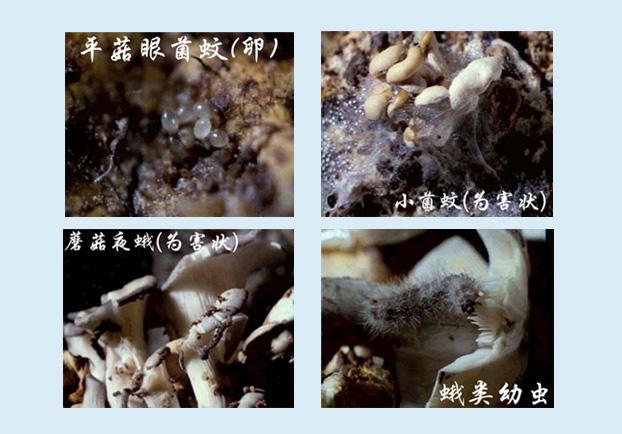
Prevention and control of pests and diseases
Edible mushrooms themselves have weak resistance to pests, and once they occur, they are not easy to control. The principle of giving priority to prevention and integrated control should be adhered to, mainly by selecting virus-resistant varieties, physical control, biological control, and strengthening cultivation management to achieve the purpose of control.