Growing edible mushrooms in tea plantations has great potential and broad prospects
At present, the development of China's tea industry overall reveals a contradiction of unbalanced resource supply. At the same time, in the field of edible mushroom cultivation, finding new substrate materials to ease the conflict between raw material demand and the ecological environment is urgent. According to the needs of tea plantation production and management, a large number of tea trees need pruning branches, so using tea tree waste as raw material for growing edible mushrooms turns waste into treasure, and at the same time gives edible mushrooms a brand-new, economical and sustainable large-scale raw material.
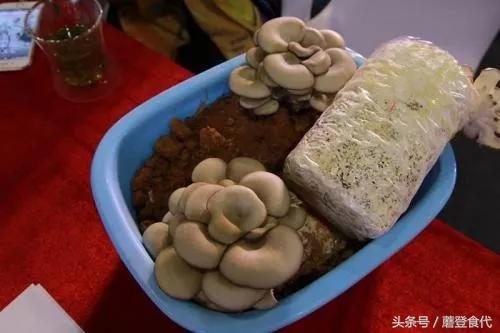
Method for preparing an edible mushroom culture medium using tea branches and leaves as the main material: cut the tea branches and leaves into small pieces, divide them into bags and weigh them for later use. The dry-basis weight ratio of each additive is: tea waste 96%, urea 1%, gypsum 1%, superphosphate 1%, cottonseed hull 1%. After gypsum, urea and superphosphate are mixed evenly in water, add the chopped tea branches and leaves and cottonseed hulls, and stir evenly. The mixture is sterilized in an autoclave at a sterilization temperature of 121°C for 30 minutes. The cultivated mushrooms grow quickly; when the dry weight of the culture medium is 1 kg, the mass of the mushrooms is 1704.2 g, and the biological conversion rate is about 170.4%.
China currently has about 43 million mu of tea plantations. Growing mushrooms in the rows of tea bushes, in the future, people can enjoy the tea plantation scenery while picking mushrooms; another leisure model is to bring edible mushroom potted plants grown with tea by-products as substrate into households, into millions of homes.