What are the principles and precautions for mixing and combining pesticides?

Mixing two or more pesticides together for application in the field is called pesticide mixing. Nowadays in agricultural production, most farmers mix pesticides. However, if you do not understand the characteristics of the pesticides, mixing them together can instead reduce efficacy or even cause phytotoxicity.
Advantages of mixing pesticides
1. Enhanced control effect.
In a single application, it can simultaneously control two or more diseases, insect pests, or weeds that occur at the same time during the crop's growth period, allowing multiple repeated field operations to be completed in one pass, saving labor and enabling timely control.
2. Multiple effects from one application.
Mixing pesticides can expand the scope of control; the mixed agents complement each other's strengths, improving efficacy or extending the residual effect period.
3. To a certain extent, it overcomes the resistance of pathogenic bacteria and extends the effectiveness of the pesticide.
Mixing pesticides can prevent and overcome the development of resistance in pests and diseases, extending the service life of pesticide varieties.
4. It can improve the hit rate of control against unknown diseases.
5. Mixing some new pesticides with old ones can greatly extend the useful life of the old pesticides.
6. Mixing some imported pesticides with domestic pesticides can both improve efficacy and reduce the dosage of pesticide used, thereby lowering costs. It can also reduce environmental pollution and harm to natural enemies.
Principles of pesticide mixing
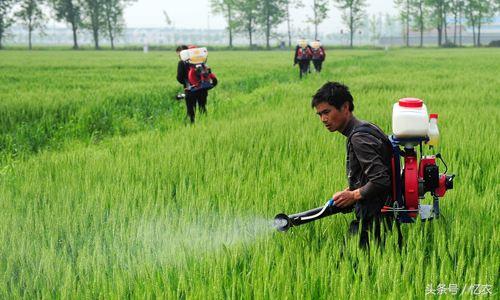
When mixing pesticides, adverse chemical reactions should be avoided as much as possible. Different pesticides have different chemical properties, so understanding the possible chemical changes of various pesticides is very necessary when considering pesticide combinations. To mix pesticides reasonably, the following points should be noted.
1. It should not affect the chemical stability of the active ingredients.
When pesticides are mixed, no adverse chemical reactions (such as hydrolysis, alkaline hydrolysis, acid hydrolysis, or oxidation-reduction reactions, etc.) should occur between the mixed varieties, ensuring normal efficacy or synergy, and the physical properties of the formulation (such as emulsifiability, reduced suspension rate, etc.) should not be affected.
Organophosphorus and carbamate pesticides are relatively sensitive to alkaline pesticides. Pyrethroid insecticides and dithiocarbamate fungicides will also decompose under strongly alkaline conditions.
When acidic pesticides are mixed with alkaline pesticides, complex chemical changes occur that destroy their active ingredients.
2. It must not destroy the physical properties of the formulation.
When two emulsifiable concentrates are mixed, they are required to still have good emulsifiability, dispersibility, and wettability.
When two wettable powders are mixed, they are required to still have good suspension rate and wettability. This is not only a condition for exerting efficacy, but can also prevent loss of efficacy, reduced efficacy, or phytotoxicity caused by changes in physical properties.
Dusts cannot be mixed with wettable powders or soluble powders.
Among all types of pesticide combinations, inorganic pesticides are the most likely to undergo chemical reactions, reduce efficacy, and cause phytotoxicity. Among inorganic pesticides, alkaline pesticides and pesticides containing metal elements are the most common, and they are the most likely to decompose and inactivate other pesticides or cause phytotoxicity in combinations.
3. After mixing different varieties, they must not cause phytotoxicity to crops.
Mixing organophosphorus insecticides with propanil will cause phytotoxicity to rice; mixing Bordeaux mixture with lime sulfur mixture easily causes phytotoxicity to crops.
4. After mixing, the pesticide must not increase toxicity and must ensure safety for humans and livestock.
Mixing must be reasonable. This includes reasonable matching between varieties. For example, to control grass weeds in soybean fields, using sethoxydim or haloxyfop alone can achieve control. Mixing the two, although feasible in terms of formulation stability, is an unreasonable mix, as it neither enhances efficacy nor expands the control scope, so mixing is unnecessary.

5. Pay attention to antagonism between pesticide varieties to ensure the effect of mixing. For example, mixing bentazone with sethoxydim reduces the control effect on grass weeds due to antagonism.
6. The cost of mixing pesticides must be reasonable.
When mixing pesticides, in order to save labor and time and improve economic benefits, the cost of the mix should generally be lower than using them alone. For the same control target, mixing a high-cost pesticide with a low-cost pesticide generally has obvious economic benefits as long as there is no antagonism. Mixing more expensive new systemic fungicides with cheaper protective fungicide varieties, as well as mixing pyrethroid pesticides with organophosphorus insecticides, both cost less than using them alone. If the cost of producing a mixed formulation is greatly increased, it is not acceptable.
7. Pay attention to the scope of use of the mixed pesticide.
The scope of use of a mixed pesticide has both a relationship with and a difference from the scope of use of the individual formulations of its various active ingredients. A mixed pesticide must have its own characteristics in terms of scope of use; only then is the mixing effective.