How to Grow Wintersweet in Pots: A Detailed Guide to Wintersweet Planting Techniques
How to Grow Wintersweet: Wintersweet Pot Cultivation Techniques - Wintersweet bonsai is a fairly common bonsai. With proper care, you can enjoy beautiful wintersweet flowers in winter. So how can you grow wintersweet bonsai well? Here is the relevant explanation:
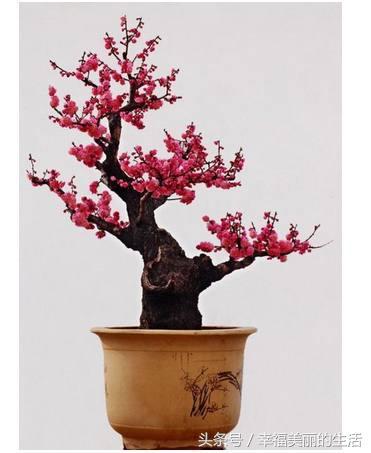
1. Do a good job of preparing the potting soil: The potting soil needed for wintersweet generally has three characteristics: fertile, well-drained, and good aeration. In addition, note that the pH of the potting soil should be suitable to avoid damaging the roots of the wintersweet. Generally, you can prepare the potting soil as follows: 3 parts leaf mold, 3 parts garden soil, 2 parts coarse sand, and 2 parts coal ash.
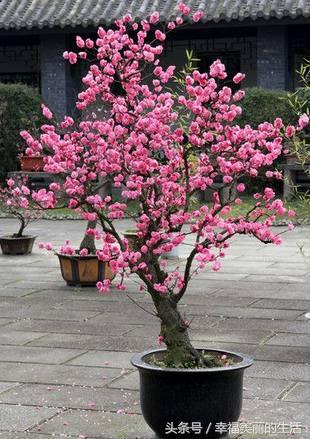
Tip: It is very necessary to disinfect the potting soil before use. Generally, you can use sun exposure or freezing. If conditions do not allow, you can use pot steaming, or the methods of frying or burning soil ash. The disinfected soil is generally very loose and also free of other pests and diseases, which is more conducive to the growth and development of wintersweet.

2. Do a good job of managing water and fertilizer:
1. Wintersweet is relatively drought-tolerant, so do not water too much. Generally, just keep the potting soil moist. If the weather is relatively hot and water evaporates quickly, you can water a little more;
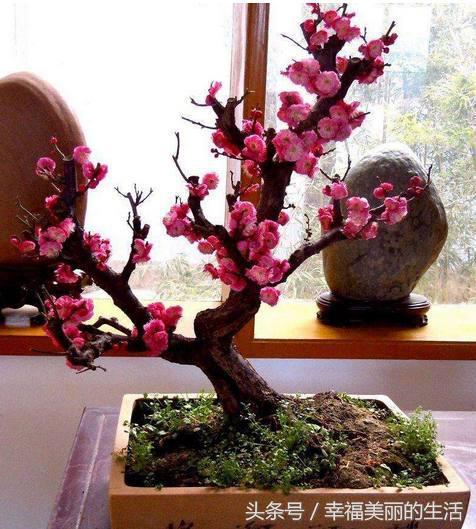
2. Wintersweet has a relatively high demand for fertilizer. When it grows leaves from April to May, you need to apply a diluted, fully decomposed human and livestock manure or fully decomposed cake fertilizer water about once every two weeks to promote flower bud formation. When it enters the flower bud differentiation stage, you need to apply phosphorus and potassium liquid fertilizer 1-2 times, but note that the concentration of this fertilizer must not be too strong, so as not to affect the healthy growth of the wintersweet. After the autumn cools and at White Dew, in order to make the flower buds plump, you need to apply a relatively strong fertilizer once. Before winter begins, in order to allow the wintersweet to bloom smoothly, you need to apply 1-2 more applications of diluted, fully decomposed human and livestock manure.

Tip: In order to allow the fertilizer to be better absorbed by the wintersweet bonsai, you need to water once the next day after each fertilization, and loosen the potting soil once, so that the potting soil has a well-aerated environment and the wintersweet bonsai grows better.
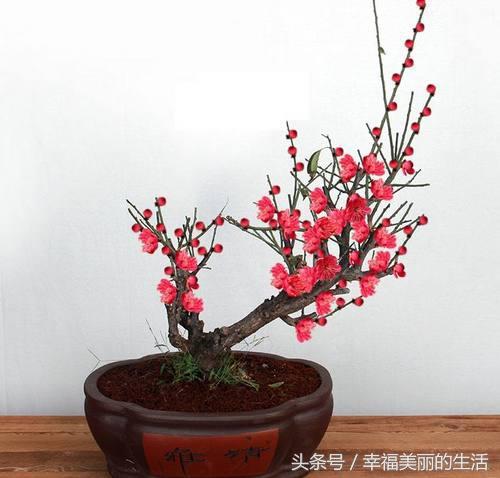
3. If you want the wintersweet to produce beautiful flowers, doing a good job of pruning and bud pinching is very important. Generally, it is recommended to choose March to June for pruning. Generally, you need to cut off some branches that affect the appearance, such as crossing branches, parallel branches, overlapping branches, opposite branches, leggy branches, and excessively dense or weak branches.
After flowering ends, you need to shorten some old flowering branches, generally leaving about 15-20 cm of the branch. After new branches sprout, you need to pinch the buds. In this way, after a short time, new side branches will grow. After the side branches grow to about 10 cm, pinch the buds again. Repeat this several times until flower buds form. Next, just take good care of these flower buds, and when they bloom, you will be able to enjoy the beautiful scene of abundant branches and flowers;
How to Grow Wintersweet: Wintersweet Pot Cultivation Techniques - The above is the relevant explanation. I hope it can be helpful to everyone. In the process of growing wintersweet, doing a good job of pruning, pinching, and bud removal is very important; otherwise, it is easy to produce many leggy branches, consume nutrients, and make flower buds difficult to form. In addition, note that wintersweet avoids cold wind. In summer, it needs slight shading. In winter, potted plants should be moved indoors to overwinter when the temperature is below 1°C. Only in this way can the wintersweet bonsai grow better.