How to Grow Cabbage? A Detailed Guide to Winter Cabbage Cultivation Techniques
Winter cabbage refers to cabbage varieties sown in autumn and marketed in winter and spring. Growing winter cabbage can fill the gap in market supply and demand, and it has the characteristics of high yield, high quality and high returns, which can effectively increase the economic benefits of vegetable growers. So, how do you grow cabbage? The cultivation techniques for winter cabbage are introduced below.
I. Scientific selection of seeds
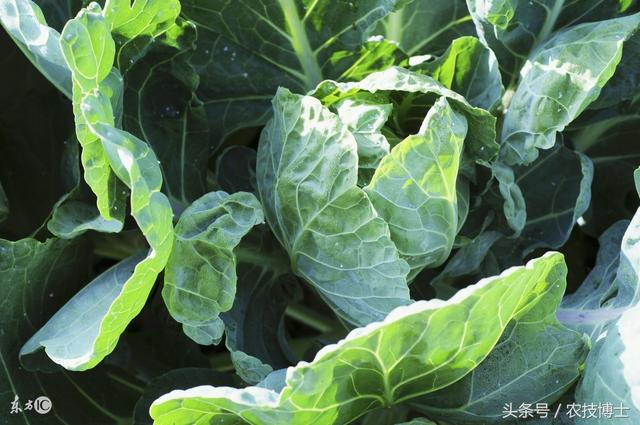
Choose winter cabbage varieties with strong cold resistance, high quality, high yield and disease resistance. You can use winter cabbage varieties bred by the Vegetable Research Institute of the Shandong Academy of Agricultural Sciences, and varieties from the Shangqiu Special Excellent Vegetable Research Institute in Henan Province, as well as Jiangsu Zhengda overwintering cabbage varieties for planting. Their planting performance is relatively good, with strong cold resistance, high yield and good quality, and they can overwinter and grow safely without protective measures.
II. Seedling raising time and seedling-stage management
1. Seedling raising time:According to climate characteristics, choose the following two time periods: Winter sowing: sow and raise seedlings from September 1-20, finish transplanting by the end of October, and harvest and market in February-March of the following year. Autumn sowing: sow and raise seedlings from July 20 to August 10, with a seedling age of 30-35d. Transplant before September 15, and harvest and market from January to March.
2. Seedling-stage management:Planting 1hm2 requires about 600m2 of seedling bed. Choose sandy loam soil with relatively good conditions to build the seedling bed. Deeply plow and level it, apply heavy high-quality farmyard manure, and water thoroughly to saturate the soil. After the water drains, mix the seeds with soil and sow them evenly in the seedbed (seeding rate 0.75kg/hm2). Cover with soil shallowly, generally 0.5cm. To prevent sun exposure or rain damage, cover with straw curtains or shade netting to ensure a full stand of seedlings. Generally, seedlings emerge uniformly in 3d; remove the curtains at sunset in the afternoon and take away the straw curtains or shade netting. Because autumn temperatures are relatively high and water evaporates quickly, water promptly. During the seedling stage, thin the seedlings when they have 2-3 leaves; thinning can also be done at the 4-leaf stage by transplanting seedlings at 10cm2. After transplanting seedlings, the planting date can be delayed by 7-10d. When seedlings grow to 6-7 leaves and the seedling age is about 30d, they can be transplanted to the field. Do not water for 5-7d before transplanting, and harden the seedlings to improve the survival rate and promote quick recovery after transplanting. Also pay attention to pulling weeds and controlling pests and diseases to ensure the cultivation of strong seedlings.
III. Transplanting and field management
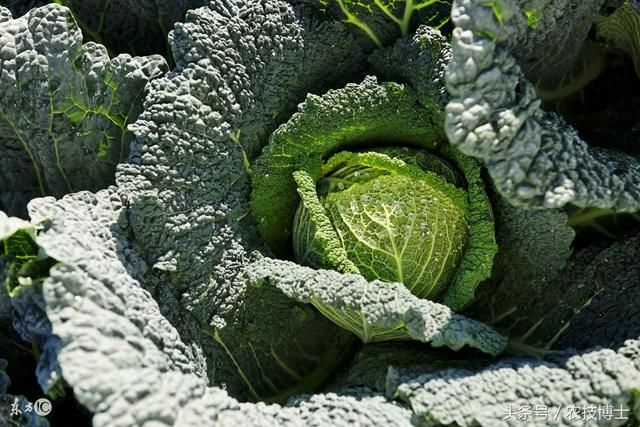
1. Transplanting:Choose idle stubble plots with irrigation conditions and relatively fertile soil, such as those previously planted with peanuts, sweet potatoes or yellow tobacco. Plow and level them promptly, apply more than 4.5kg/hm2 of high-quality farmyard manure, 300kg/hm2 of compound fertilizer and 300kg/hm2 of potassium sulfate, and ridge them for later use. Transplanting is best done on cloudy days or in the evening. When transplanting, classify large and small seedlings separately so the field is uniform and consistent, which makes field management easier. Row spacing 50cm, plant spacing 35cm, transplanting density 5.7 plants/hm2. Water immediately after transplanting, water once 15d after transplanting, and topdress with about 225kg/hm2 of urea. When plants enter the rosette stage, their growth speed increases. If growth is excessive, properly restrain the seedlings, generally for 10-15d. End seedling restraint when wax powder is clearly visible on the leaves and the heart leaves begin to cup into a head. After the head is basically firm and heading reaches 60-90%, watering should be controlled to avoid excessive growth, head splitting and reduced cold resistance.
2. Key points to master:Winter cabbage forms a semi-head before winter. When entering winter, the heading index must reach 60-70% or more. Under conditions of normally decreasing temperatures, it can tolerate low temperatures of -12 to -15°C. If the heading index is not reached, bolting is likely to occur at the beginning of spring; if it is higher than the index, cold resistance decreases and head splitting occurs, affecting commercial value. Winter cabbage grows in winter and, affected by climate and other factors, has relatively mild pest and disease occurrence. It does not need pesticide control, has no pesticide residue and no pollution, and is a pollution-free vegetable variety with great development potential.
IV. Timely harvesting
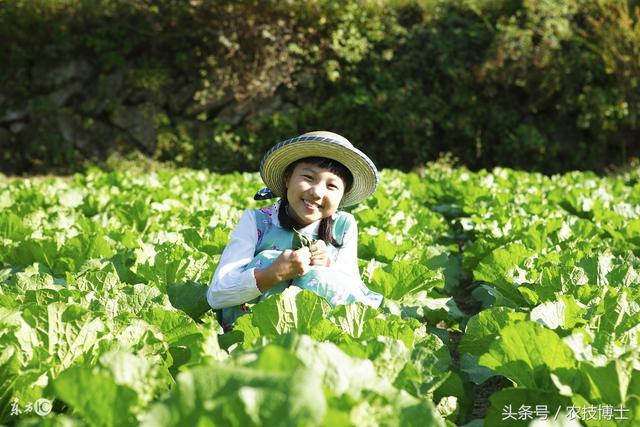
The harvest period of winter cabbage is long, and the decision should be made according to market price factors to obtain greater economic benefits. But note: harvesting must be completed before April 1. This is because the plants have already passed vernalization, so this prevents later head splitting and bolting, which would affect the commercial quality of the cabbage heads.
[Editor's concluding remarks]Using idle winter land to grow winter cabbage on a large scale saves labor and time, is simple to manage, and has good cultivation value. The above has introduced winter cabbage cultivation techniques for everyone, and we hope it will be helpful to you!