The Truth About Mosquito Coil Toxicity: Is It Really More Toxic Than Pesticides?
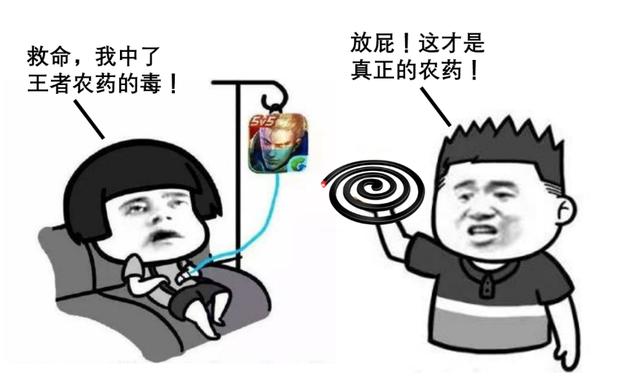
Recently, a news story titled "Family of 5 Poisoned After Lighting 20 Mosquito Coils Indoors Over Fear of Mosquito Bites" went viral on many people's social media feeds. Netizens moonlighting as comedians all started joking: lighting that many mosquito coils, are you trying to take the mosquitoes down with you? Although mosquito coils, like the game Honor of Kings, are a "necessity" in many people's lives, mosquito coils are actually more toxic than that "King of Pesticides"...
Waking up in the morning, many people's social media feeds were flooded with a news story that was both amusing and absurd: "Family of 5 Poisoned After Lighting 20 Mosquito Coils Indoors Over Fear of Mosquito Bites." Burning mosquito coils can land the whole family in the hospital? Netizens chimed in one after another, saying this was a case of going down together with the mosquitoes...

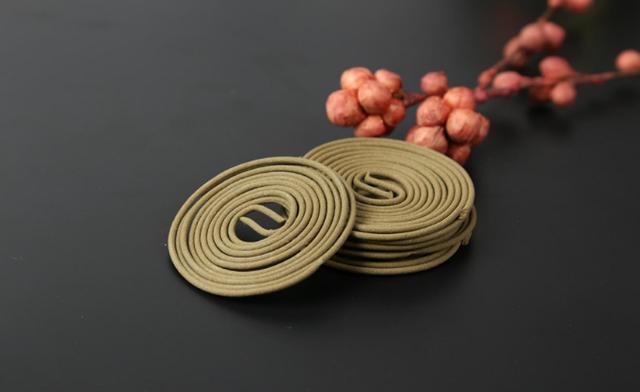
Although this family made headlines with their mosquito coil mishap, most people still do not really understand their toxicity. Traditional mosquito coils are mainly spiral coils and stick coils, and later people developed liquid electric mosquito coils and solid electric mosquito coils. Regardless of their form, the active ingredients and insect-killing principles of various mosquito coils are much the same: they release insecticidal substances after being lit or heated to achieve the mosquito-repelling effect. Because they have a certain toxicity, mosquito coils are, in all seriousness, pesticides!
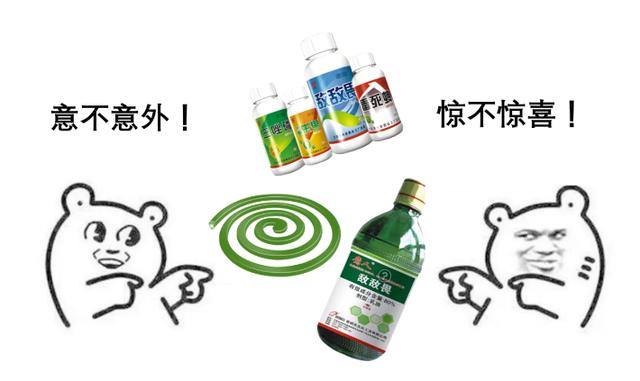
Reading this, netizens will probably start complaining again: Mosquito coils are pesticides? Is the editor trying to fool me again!? (Wait, why "again"...?) This really is not something the editor made up. China classifies pesticides into five levels based on toxicity: extremely toxic, highly toxic, moderately toxic, low toxicity and slightly toxic. As early as 2004, mosquito coils were brought under pesticide regulation, with toxicity levels of low toxicity or slight toxicity. As for moderately toxic mosquito coils... friend, please cherish your life! Because mosquito coils are widely used in China, in a broad sense, every one of us has inhaled "pesticides"...
The main effective insect-repelling ingredients in pesticide mosquito coils are organophosphates, carbamates and pyrethroids. Among these, organophosphates are the most toxic, at low toxicity; pyrethroids are the least toxic, at slight toxicity. Most mosquito coils people use today are slightly toxic pyrethroid coils, and the more toxic organophosphate coils are now hard to find. Generally speaking, mosquito coils are mainly made from pyrethrum, wood powder, binders and so on, among which the pyrethroid responsible for the insect-repelling effect accounts for about 0.2%.
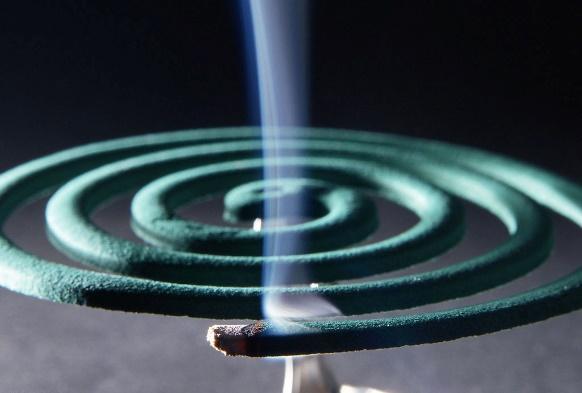
Although the insect-repelling ingredients in mosquito coils are not very toxic, the ultrafine particles released when mosquito coils burn cannot be ignored when it comes to harm to health. After a mosquito coil burns, some grayish-white ash remains, and this ash accounts for only about 8% of the mosquito coil's mass, while the rest of the substances disperse into the air, including large amounts of ultrafine particles. The particles released by one mosquito coil are comparable to burning 100 cigarettes. These tiny particles can enter the respiratory tract through breathing, and in the short term may trigger asthma, while long-term inhalation may even carry a risk of cancer. To pursue a better mosquito-repelling effect, many people burn large numbers of mosquito coils in sealed rooms, and this practice is extremely harmful to health.
So are electric mosquito coils advertised as "smokeless" and "odorless" really non-toxic and harmless? Not necessarily. Apart from not producing large amounts of smoke and particles, electric mosquito coils have the same insect-repelling principles and ingredients as traditional mosquito coils, both achieving their mosquito-repelling purpose by releasing insect-repelling substances such as pyrethroids. And although pyrethroids have weak toxicity, they can still have certain adverse effects on the human body, especially on small children.
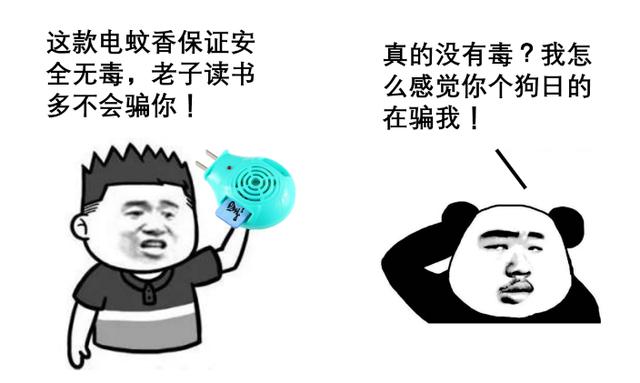
Although mosquito coils have quite a few drawbacks, if used sensibly they are still fairly safe and reliable, as long as you do not do something as reckless as the guy in the news who lit 20 mosquito coils in a room with the air conditioner on... Besides mosquito coils, traditional mosquito-repelling floral water, mosquito repellent liquid and essential balm also have excellent mosquito-repelling effects.
And the mosquito-repelling magic tool most beloved by Chinese people is, of course, our great China's mosquito net! During last year's Rio Olympics campaign, our country's Olympic athletes brought a large batch of mosquito nets with them. Faced with this "golden bell shield" that no mosquito can penetrate, foreign athletes suffering from mosquito bites could only look on with envy and jealousy!
Copyright notice: YUE Health series content is an original work of the Chudian team. Any unauthorized misappropriation, hotlinking or reproduction in any form is prohibited, and violators will be pursued in accordance with relevant laws.