How to grow Calceolaria? A rural uncle teaches you step by step
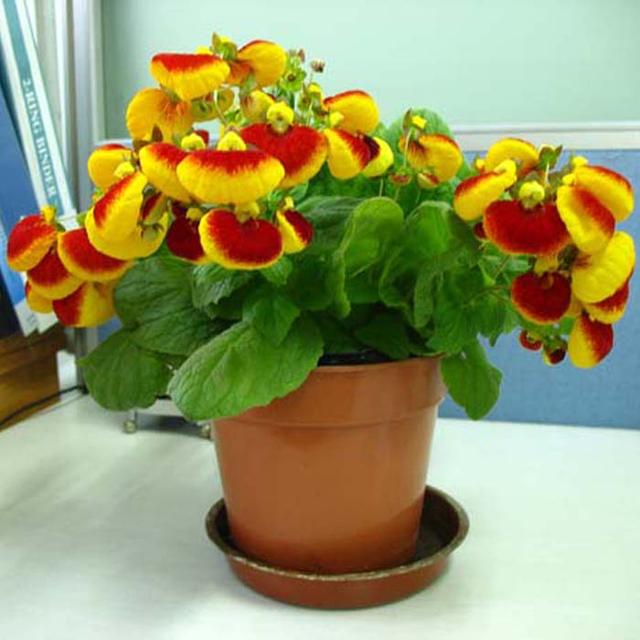
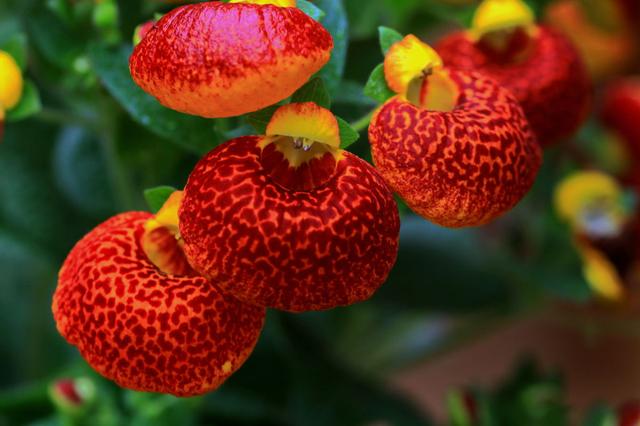
Calceolaria, formerly known as: slipper flower, is a perennial herbaceous plant of the genus Calceolaria. The stems, branches and leaves of the whole plant have fine downy hairs, and the leaves are ovate and opposite. The flower shape is unique, with a two-lipped corolla; the upper lip is upright and relatively small, while the lower lip is swollen like a pouch, forming an empty chamber in the middle, and the stigma is borne between the two sac-like structures. Flower colors vary richly; single-color varieties include yellow, white, red and other shades, while bicolor varieties have orange, pink, brownish-red and other spots on various base colors. Below, the rural uncle briefly introduces the agricultural cultivation techniques for Calceolaria.
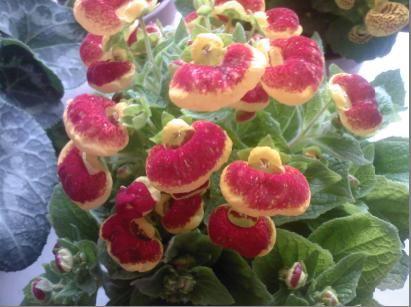
Watering: Calceolaria dislikes wet soil; continuously moist potting soil can cause root rot. When watering, be careful not to let water droplets gather on the leaf surface or buds, otherwise the leaves and heart are prone to rot. Fertilizing: Calceolaria plants are fertilized differently at different stages; during the growing period, apply a once every 10 days or so with rotted, diluted cake fertilizer water. After the flower stalk appears, add one application of 0.5%-1% calcium phosphate.
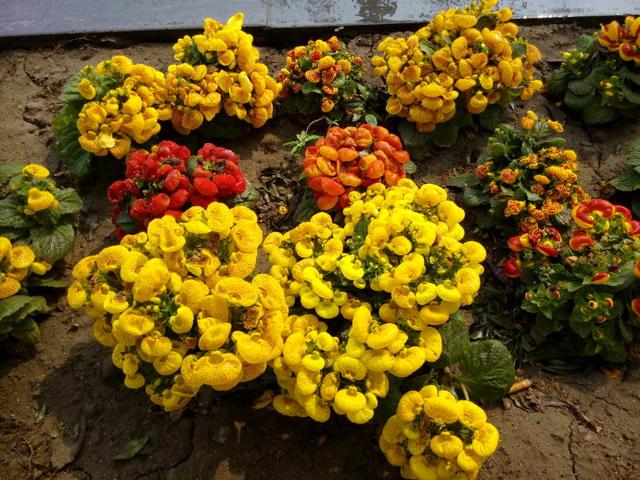
Light: Calceolaria is a long-day plant, but after flowering in spring, the plant should be placed in a ventilated and shady place, preferably shading out the strong midday light, because this helps the seeds mature. Soil medium: requires well-drained, loose, fertile soil rich in humus.
For more agricultural cultivation techniques, please follow me. San Nong editor: Nong Xiangbiao