How to grow hydroponic plants so they grow fast
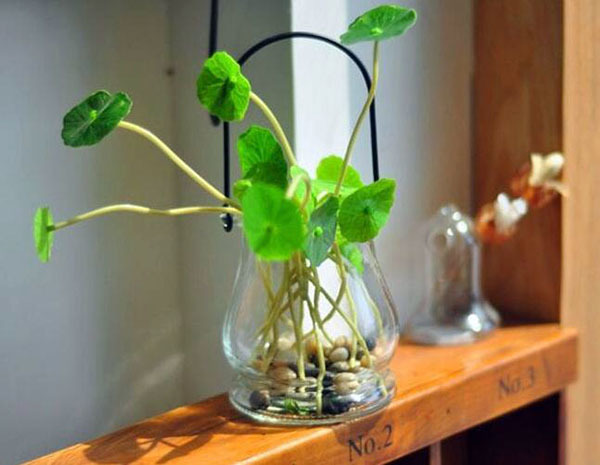
First, the roots: when you notice the water level is low, add some water to prevent the roots from drying out; when the water becomes cloudy, take the plant out, clean the container, and refill with fresh water. Generally, water-grown plants need their water changed and a nutrient solution applied about once a week; the ratio and amount of nutrient solution depends on the size of the plant.
Suitable ambient temperature:
The growing temperature for water-grown plants is 5°C-30°C, and they can grow normally within this range.
Suitable light:
Water-grown plants should mainly receive indirect light; they do not necessarily need to be exposed to direct sunlight. In summer, try to avoid direct sunlight.
Changing the water and cleaning the plant roots:
Water-grown plants need their water changed about every 7 days in summer and about every 10-15 days in winter; just add a few drops of nutrient solution specially made for water-grown plants (prepare the nutrient solution at the concentration required by the instructions).
The containers used for growing water-grown plants easily grow algae, which affects the appearance of the roots and also consumes oxygen in the water. When changing the water, first use clean water to wash away the slime on the plant roots, and cut off old roots and rotten roots. Also scrub the algae off the container and the root system. Each time you change the water, the water level should ideally cover 1/2-2/3 of the root system, and let the remaining root sections remain exposed to the air.
Moisture retention and spraying foliar fertilizer:
To prevent the leaves from drying out and withering, during routine care you should spray the leaf surfaces with clean water to retain moisture. It is best to spray foliar fertilizer once a week, which can both provide nutrients to the leaves and increase their gloss; in winter it can also help them resist low temperatures.
How to grow hydroponic pothos so it grows fast, and how to grow potted pothos so its roots do not rot
I believe many friends are familiar with hydroponic pothos, many friends are familiar with hydroponic pothos, so how do you grow hydroponic pothos so it grows fast, and how do you grow potted pothos so its roots do not rot? Let me show you below!
1. How to grow hydroponic pothos so it grows fast
1. Humidity. Hydroponic pothos cannot rely only on the water in the lower part; its leaves also need to stay humid. Gently wipe the leaf surfaces with a cold wet towel or toilet paper, so the leaf humidity will increase and the plant will grow more vigorously!
2. Water. Hydroponic pothos should not have its stems and roots soaked in water excessively; the water level only needs to cover its root system. If the leaves are also soaked in water, it will not only pollute the water source, but also cause the plant to lack oxygen and rot.
3. Fertilizer. Hydroponic pothos is suitable for a plant-specific nutrient solution. Add 10 drops of nutrient solution to the water every half month, which can make the stems and roots stronger.
2. How to grow potted pothos so its roots do not rot
Pothos root rot is mostly caused by overwatering. Too much water retained in the soil will cause the pothos root system to lack oxygen and breathe poorly, and over time root rot becomes unavoidable. Once you find that this is the cause, quickly move the pothos to a place with light and good ventilation, then slightly loosen the potting soil to speed up the evaporation of excess water.
Another cause of root rot is that the soil itself contains bacteria. When water is sufficient, the bacteria in the soil are like finding a hotbed for breeding and will rapidly multiply and grow, corroding the pothos root system. So when planting pothos, it is best to choose plant-specific soil from the market and not mix it yourself blindly. Once pothos develops root rot, you should also replace it with new fertile soil in time.
3. The difference between large-leaf pothos and small-leaf pothos
Large-leaf pothos and small-leaf pothos are actually the same plant; because their growing environments differ and their water and fertilizer conditions differ, the plants differ in external form as large-leaf and small-leaf types.
Large-leaf pothos is mostly heartleaf philodendron; it has a moss pole in the middle, and the pothos can climb up the moss pole. But small-leaf pothos is mostly used for water propagation or small potted plants; it will not grow into a vine form, and does not need a moss pole as support.
How to grow hydroponic pothos so it grows fast
Many friends want to get the practical "secret recipe" for growing hydroponic pothos, but there are no shortcuts in growing flowers and plants. Only by understanding the plant's growth habits and cultivating it according to those habits can it grow better. How should hydroponic pothos be cared for correctly? Come and take a look first!
1. Temperature. The suitable growing temperature for pothos is 20°C-30°C, and the overwintering temperature should not be lower than 15°C. By regulating room temperature according to this temperature range, pothos can grow faster.
2. Light. Pothos needs photosynthesis, but its heliotropism is not strong. Usually, just place it on an enclosed balcony and that is OK. In winter, open the windows as little as possible to prevent frost damage from excessively low temperatures.
3. Water. Hydroponic pothos should have water added frequently and be changed less often. When adding water, spray water where the aerial roots grow, and also spray a small amount of water on the leaves. This can ensure that the small environment in which the pothos grows has relatively high humidity, so the leaves will not lack water and turn yellow.
4. Fertilizer. Hydroponic pothos needs a certain amount of nutrient solution to maintain nutrient balance. Spring, summer, and autumn are the vigorous growth periods for pothos. At this time, add a small amount of plant-specific nutrient solution to the water every 15 days, and the stems and roots of the pothos can receive better care. Winter is its dormant period, and the fertilizing amount can be reduced to once every 2 months.