A detailed guide to growing Moluccella laevis: even beginners can get the hang of it easily
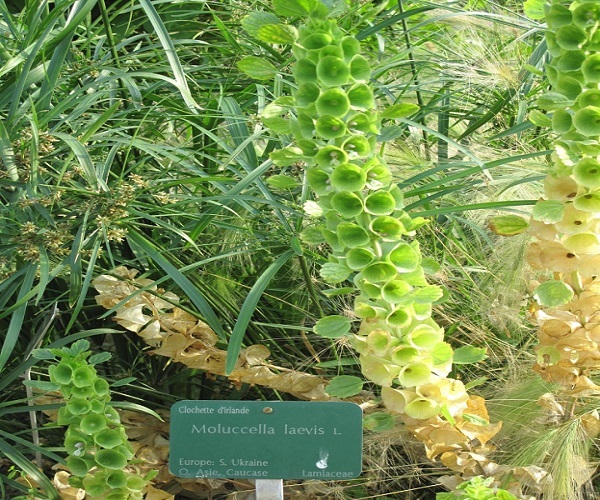
1. Propagation: Moluccella laevis can be propagated by sowing seeds, generally in spring, summer and autumn. If you want an even supply of flowers for easy viewing, you can sow in batches.
2. Pot and soil: The size of the pot depends on the number of seeds. The seeds are triangular; usually 10-15 seeds can be planted in a pot with a diameter of 15cm. Moluccella laevis is suitable for cultivation in fertile, well-drained, loose soil, and clayey soil should be avoided, so as not to affect the development of the plants and slow their growth. For the growing medium, you can choose well-drained, nutrient-rich garden soil, water it thoroughly, and cover it with a thin layer of soil, keeping the moisture of the bed surface always within a suitable range.
3. Seedlings: About 7-10 days after sowing, the seeds will sprout. The seedlings are generally 10-15cm and grow rather slowly; it usually takes 20 [days] for true leaves to grow. When the number of true leaves reaches 5-6, they can be transplanted with the soil around the roots. To encourage branching, pinch out the growing tip once.
4. Light: Moluccella laevis needs plenty of sunlight to support the growth of the plants, but note that it must not be exposed to strong sun in summer.
5. Temperature: The best temperature for sowing Moluccella laevis is 15-25°C, which favors germination. During the growing period, a temperature of 20-30°C is suitable.
6. Water and fertilizer: During seed germination, water once a day and place the pot in a cool place. After transplanting and establishment, it needs more watering and fertilizing, applying fertilizer once every 15-30 days to promote growth, all the way until the plant blooms.
7. Pests and diseases: Moluccella laevis is fairly robust and easy to manage, and it is not commonly affected by pests or diseases, but leaf miner damage should be prevented and controlled, as it occurs occasionally.
How to grow Moluccella laevis: the uses of Moluccella laevis
Moluccella laevis is also called elephant's ears and collar flower, named because its leaves resemble shells and its flowers resemble a collar. It is a plant of the genus Moluccella in the mint family (Lamiaceae). Today we will tell you about how to grow Moluccella laevis and what Moluccella laevis is used for.
How to grow Moluccella laevis
Propagation: Moluccella laevis can be propagated by sowing seeds, generally in spring, summer and autumn. If you want an even supply of flowers for easy viewing, you can sow in batches.
Pot and soil: The size of the pot depends on the number of seeds. The seeds are triangular; usually 10-15 seeds can be planted in a pot with a diameter of 15cm. Moluccella laevis is suitable for cultivation in fertile, well-drained, loose soil, and clayey soil should be avoided, so as not to affect the development of the plants and slow their growth. For the growing medium, you can choose well-drained, nutrient-rich garden soil, water it thoroughly, and cover it with a thin layer of soil, keeping the moisture of the bed surface always within a suitable range.
Seedlings: About 7-10 days after sowing, the seeds will sprout. The seedlings are generally 10-15cm and grow rather slowly; it usually takes 20 [days] for true leaves to grow. When the number of true leaves reaches 5-6, they can be transplanted with the soil around the roots. To encourage branching, pinch out the growing tip once.
Light: Moluccella laevis needs plenty of sunlight to support the growth of the plants, but note that it must not be exposed to strong sun in summer.
Temperature: The best temperature for sowing Moluccella laevis is 15-25°C, which favors germination. During the growing period, a temperature of 20-30°C is suitable.
Water and fertilizer: During seed germination, water once a day and place the pot in a cool place. After transplanting and establishment, it needs more watering and fertilizing, applying fertilizer once every 15-30 days to promote growth, all the way until the plant blooms.
Pests and diseases: Moluccella laevis is fairly robust and easy to manage, and it is not commonly affected by pests or diseases, but leaf miner damage should be prevented and controlled, as it occurs occasionally.
The uses of Moluccella laevis
1. Ornamental and landscaping use
Many horticultural varieties of Moluccella laevis have been bred. Its calyxes come in green, yellow and white, with green being the most common. The flowers and leaves form a shell-like or flattish trumpet-like shape, with a distinctive form that gives a fresh and elegantly understated feeling; whether planted in the open or in pots, it has excellent ornamental value. In addition, it is a very good cut-flower material and can be made into dried flowers.
2. Air purification
As a green plant, Moluccella laevis also has a good air-regulating effect. Through photosynthesis, one pot of Moluccella laevis can absorb 120 grams of carbon dioxide and release 56 grams of oxygen, purifying indoor air.
How to grow Moluccella laevis: how do you plant Moluccella laevis?
Moluccella laevis, also called collar flower and elephant's ears, is an annual or biennial herbaceous plant of the genus Moluccella in the mint family (Lamiaceae). Moluccella laevis has a peculiar flower shape, with a two-lipped corolla, and the flowers look like shells. Moluccella laevis is often used as a companion flower in flower arrangements, can also be made into dried flowers, and is also a good choice for pot cultivation. So how do you plant Moluccella laevis? Below, the editor will share with you how to grow Moluccella laevis.
Moluccella laevis has heart-shaped, emerald-green leaves and uniquely shaped flowers, making it an excellent foliage and flowering ornamental plant. Moluccella laevis likes a sunny environment and is suitable for growing in well-drained soil.
1. How to grow Moluccella laevis
When growing Moluccella laevis, pay attention to watering. Although Moluccella laevis likes moist soil, overwatering will cause root rot. Water according to how dry the soil is; do not water if the potting soil is not dry, and water thoroughly each time.
Pot: When growing Moluccella laevis in pots, you can choose the pot size according to the number of seeds. Generally, a pot with a diameter of 15 centimeters can hold ten to fifteen Moluccella laevis seeds.
Soil: Moluccella laevis likes well-drained soil. Generally, first place small stones at the very bottom, then spread sandy soil on top. Then scatter the seeds into the potting soil, cover with a thin layer of sandy soil, and just keep the soil moist.
Watering: During the germination period of Moluccella laevis seeds, water once a day to ensure the seeds absorb water. At this time, place the pot in a cool place away from light. After the seeds sprout, adjust the watering schedule according to soil moisture: do not water if not dry, and water thoroughly when you do.
Temperature: The suitable temperature for sowing Moluccella laevis is 15-25°C. Generally, Moluccella laevis will sprout in about one week to half a month.
Fertilizing: When Moluccella laevis grows 5-6 true leaves, it can be transplanted. After transplanting and establishment, start fertilizing, once every half month, and stop fertilizing after Moluccella laevis blooms.
Pests and diseases: Moluccella laevis grows vigorously and rarely suffers from pests or diseases, but be careful of the harm caused by leaf miners.
2. The ornamental value of Moluccella laevis
The calyx of Moluccella laevis is mostly green, and there are also white and yellow ones. The calyx is shaped like a small trumpet, and the flower shape is peculiar, fresh and elegantly understated, with high ornamental value. Moluccella laevis is a very popular and important cut-flower material, and can also be used as dried flowers or for pot cultivation. Keeping a pot of Moluccella laevis at home can create an elegant and pure atmosphere for the whole home.
3. The air-purifying effect of Moluccella laevis
Everyone knows that plant photosynthesis can absorb carbon dioxide and release oxygen, and Moluccella laevis is especially good at purifying air. Each pot of Moluccella laevis can absorb 150g of carbon dioxide and release 56g of oxygen per year, making it a very green and environmentally friendly plant.
That is all for the guide to growing Moluccella laevis. You are welcome to keep following Succulent Garden to learn more about how to grow herbaceous flowers.