Can orchids be propagated by cuttings? A detailed guide to cutting propagation methods
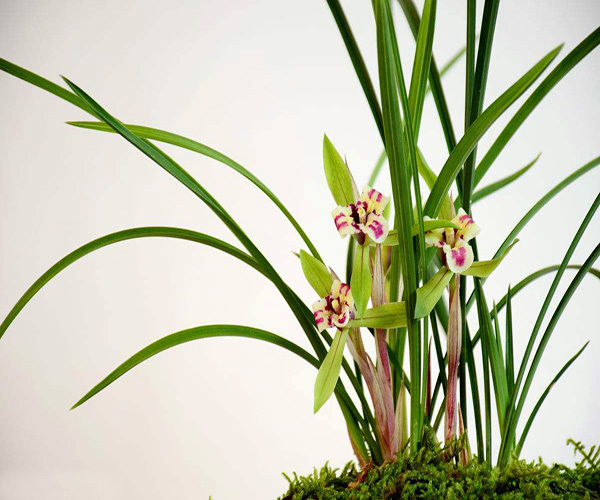
Orchids can be propagated by cuttings, and the cutting method is one of the ways to propagate orchids. For orchid cuttings, the main approach is to select the stems of superior orchid plants and use scissors to cut and divide them at the stem nodes where the orchid pseudobulbs are loosely connected. After division, each orchid clump must have 3-5 pseudobulbs connected together and bearing bud eyes; then insert the pseudobulbs into the growing medium, making sure there are nodes, and new shoots will grow. Finally, all you need to do is cultivate them carefully.
How do wax plants reproduce? Wax plant propagation methods / cutting propagation / layering propagation
The wax plant is a highly ornamental flowering plant. It can be seen in many regions of our country, and many people also choose to grow it at home. As more people grow it, questions about wax plant propagation have also drawn more attention. How do wax plants reproduce? What are the propagation methods for wax plants? Below, the editor will walk everyone through it.
I. How do wax plants reproduce?
Regarding how wax plants reproduce, the two most commonly used methods are cutting propagation and layering propagation. Both methods have been developed through countless trials, and their survival rates are very high. As for how these two propagation methods are specifically carried out, the editor will walk everyone through it below.
II. Wax plant propagation methods
Cutting propagation
1. Cutting time
Among the propagation methods for wax plants, cutting propagation is a relatively simple method, but although simple, its survival rate is very high. When carrying out cutting propagation of wax plants, choosing the right time is very important. Generally, we can carry out cuttings in late summer and early autumn, as this can increase the rooting rate.
2. Selection of cuttings
Before cutting, we first need to select the cuttings, that is, the branches of the wax plant. It is best to choose cuttings that grow relatively robustly and are free of pests and diseases, as this will give a high survival rate. If you choose branches that already look very thin and small, then it will basically be very difficult for them to survive.
3. Cutting method
Among the propagation methods for wax plants, cutting propagation can be considered one with a relatively high survival rate. Before cutting, we can first use chopsticks to poke a few holes in the potting soil, then insert the cuttings into the holes, press the soil flat, and water them. When watering, be careful to water thoroughly in one go, and after about 20-30 days they will take root.
Layering propagation
1. Layering time
Compared with cutting propagation, layering propagation is still used by relatively fewer people among wax plant propagation methods, but the survival rate of this method is not low. Generally, the most suitable season for layering propagation is late spring and early summer.
2. Layering method
Before layering, we can first make a slight wound between the stem nodes, then wrap sphagnum moss around the wounded area, and on the outside wrap a layer of plastic film and tie it tightly. After roots have formed, cut it off and pot it up.
How do orchids reproduce? Orchid propagation methods (cutting propagation is the simplest / roots in 20 days)
I. How do orchids reproduce? Cutting and division propagation
Among potted plants, orchids can be considered a relatively precious variety. Earlier we discussed how to grow orchids, and now let us look at how orchids reproduce. If you have a pot of orchids at home and want to grow another pot, then you must understand orchid propagation methods. Learning propagation methods can turn one pot of orchids at home into many pots. The most common propagation methods for orchids are cuttings and division, and both have relatively high survival rates.
II. Cutting propagation method
Cutting is the method of inserting the stems of orchid plants into the growing medium, where they sprout branches and grow roots at the stem nodes and develop into complete plants. It only requires normal care, and with the temperature above 20 degrees, generally new shoots can grow after 20 days, with a very high success rate.
The advantages are: abundant propagation material, large seedling output, fast seedling formation, the ability to maintain the inherent excellent characteristics of the original variety, and the ability to obtain orchid seedlings completely consistent with the genetic traits of the mother plant. It is suitable for large-scale production and also suitable for small-scale home propagation. How do orchids reproduce? This is only one orchid propagation method. Below we will look at the division propagation method.
III. Division propagation method
1. Stop watering 2-4 days before lifting the seedlings, then first dig out part of the surface substrate from the pot, gently pat around the sides of the pot with your hands, and after the substrate in the pot has become slightly loose, grasp the pseudobulbs without young shoots with your hands and slowly apply force to take the orchid out of the pot, carefully shaking off the substrate from the root ball.
2. After lifting the seedlings, rinse the orchid roots with water. After washing away the remaining substrate, prune off dead leaves, diseased leaves, and rotten roots from the orchid plants. Apply a 1000-fold dilution of 60-80% thiophanate-methyl wettable powder to the wounds of the orchids for disinfection.
3. Use scissors to cut and divide the orchids where the pseudobulbs are loosely connected. After division, each orchid clump must have 3-5 pseudobulbs connected together and bearing bud eyes.
4. After division, soak for disinfection with an 800-1200-fold dilution of 60-80% thiophanate-methyl wettable powder. After drying in the shade (place the orchid plants in a cool place to dry until the roots turn white and soft; the drying temperature is 16-20°C, and the drying time is 1-3 days), set aside for use.
5. After the transplanting pot has been disinfected, use disinfected bricks, cobblestones, and other coarse granular bedding materials to form a bedding layer. The bedding layer is filled to 1/3-1/2 of the height inside the pot, and set aside for use.
6. Next, spread a layer of culture substrate on the bedding layer, place the orchid upright on top, adjust the position and height of the orchid plant, place the new plant in the middle of the pot and the old pseudobulbs off to one side, then gradually add culture substrate to fill in around the roots until the substrate covers the base of the plant's pseudobulbs. These are all the steps of division propagation. The above is the complete content on how orchids reproduce and orchid propagation methods. We hope it can help everyone.