Reasons for Yellowing Leaves on Monstera and How to Fix Them
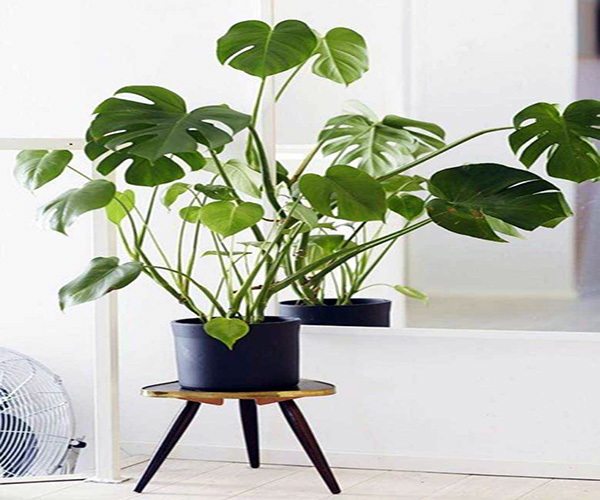
1. Unsuitable soil
Monstera (Monstera deliciosa) has a well-developed, fleshy root system and has high requirements for soil aeration. Clayey or slightly clayey soil is unfavorable for its growth. If the soil is not changed for a long time, or the soil itself has poor aeration, the soil will become compacted, affecting the respiration of the Monstera roots, causing poor growth and yellowing leaves.
Solution: For potted Monstera at home, the growing medium can be a mixed soil made from 2 parts aged loess soil, 1 part honeycomb coal ash, and 1 part chicken manure. This ensures both the aeration of the potting soil for Monstera and meets the fertilizer requirements needed for growth.
2. Overwatering or underwatering
Too much water can cause root rot in Monstera, while too little water causes the plant to suffer from water shortage and grow poorly. Both conditions can cause yellowing leaves in Monstera.
Solution: Water regularly according to the surrounding environment. Each watering should soak through, keeping the soil surface slightly dry. You can often spray water on the Monstera leaves and the surrounding environment to increase air humidity.
3. Too much or too little light
Monstera is shade-tolerant, but keeping it in a shaded environment for a long time will affect photosynthesis and cause the leaves to turn yellow; at the same time, Monstera should not be placed in strong light, as strong light will scorch the leaves and turn them yellow.
Solution: In summer, Monstera should be shaded, and it is best to place it in a spot with diffused light. In winter, when temperatures are low, move the Monstera to a sunny spot indoors. If the light at the care location is too weak, supplemental lighting can be given regularly at noon.
4. Too little fertilizer
Iron is an essential raw material for plants to synthesize chlorophyll. If no fertilizer has been applied for a long time, or if the soil or fertilizer lacks sufficient iron, it will affect the Monstera's chlorophyll synthesis, causing the leaves to lose their green color and turn yellow.
Solution: For yellowing leaves caused by iron deficiency, apply alum fertilizer water or spray a 0.1-0.3% ferrous sulfate solution.
Monstera, How to Grow Monstera, What to Do When Monstera Leaves Turn Yellow
Monstera is a sun-loving plant native to Mexico, originally growing in Mexican tropical rainforests. It is evergreen year-round and blooms, with the flowering time in November each year. Monstera is generally used for ornamental purposes because its leaf shape is unique and it stays green year-round, making it well loved by many people. It has the ability to absorb carbon dioxide at night, so growing Monstera is not only beautiful but also purifies the indoor air environment.
How to Grow Monstera
Monstera is a plant that loves sun and moisture. Its growth requires sufficient light, but it is still important to note that sufficient light does not mean frequently moving it outside for exposure. Although Monstera likes sunlight, prolonged exposure to sunlight can cause the leaves to wither. Therefore, in summer, Monstera should be placed indoors or in a relatively shady place, not in a spot with direct sunlight. The suitable temperature for Monstera is above 6°C, and when the temperature drops to this level in winter, it should be moved into a warm indoor space.
The environment Monstera likes is warm and humid, so growing Monstera must ensure sufficient water. Never let Monstera lack water or let the soil dry out. Therefore, watering Monstera must be remembered: generally water once in the morning and once in the evening in summer; in winter, water loss is slower, so watering once every three to four days is sufficient.
Monstera likes fertile soil, and fertilizing Monstera to keep the soil fertile is very important. Generally, Monstera should be fertilized once every two months with diluted liquid fertilizer. Pests are something many potted plants encounter. When insects begin to appear on the leaf surface, attention should be paid to starting prevention and control. For pest control on Monstera, you can use an old toothbrush to clean the leaf surface, dipped in diluted omethoate. Growing Monstera also requires changing its pot every year. When repotting, you can slightly trim away old vine roots and add organic fertilizer to the bottom of the new pot.
Monstera Leaves Turning Yellow
There are many reasons that cause Monstera leaves to turn yellow. If yellowing leaves are found, you can cut off the yellow leaves and place the plant in a ventilated spot. Common reasons for Monstera leaves turning yellow include: iron deficiency, sunburn, cold damage, insufficient ventilation, and soil that is too wet. The problem can be solved according to the different causes.
The above is my introduction to Monstera growing methods. I hope it can bring you useful help with Monstera growing issues.
[More Information]
| Calla Lily Flower Language | How to Grow the Happy Tree | Effects and Functions of Chinese Rose | Effects of Cactus Fruit | Hangzhou White Chrysanthemum |
| Effects and Functions of Ping'an Tree Osmanthus Tea | Effects and Functions of Gynostemma | Effects and Functions of Rosemary | Ficus Bonsai |
| How to Grow Cactus | Potted Flower Pictures | Murraya Bonsai | How to Grow Christmas Cactus | Serissa Bonsai | Bowl Lotus |
How to Grow Monstera, What to Do When Monstera Leaves Turn Yellow
Monstera is a sun-loving plant native to Mexico, originally growing in Mexican tropical rainforests. It is evergreen year-round and blooms, with the flowering time in November each year. Monstera is generally used for ornamental purposes because its leaf shape is unique and it stays green year-round, making it well loved by many people. It has the ability to absorb carbon dioxide at night, so growing Monstera is not only beautiful but also purifies the indoor air environment.
How to Grow Monstera
Monstera is a plant that loves sun and moisture. Its growth requires sufficient light, but it is still important to note that sufficient light does not mean frequently moving it outside for exposure. Although Monstera likes sunlight, prolonged exposure to sunlight can cause the leaves to wither. Therefore, in summer, Monstera should be placed indoors or in a relatively shady place, not in a spot with direct sunlight. The suitable temperature for Monstera is above 6°C, and when the temperature drops to this level in winter, it should be moved into a warm indoor space.
The environment Monstera likes is warm and humid, so growing Monstera must ensure sufficient water. Never let Monstera lack water or let the soil dry out. Therefore, watering Monstera must be remembered: generally water once in the morning and once in the evening in summer; in winter, water loss is slower, so watering once every three to four days is sufficient.
Monstera likes fertile soil, and fertilizing Monstera to keep the soil fertile is very important. Generally, Monstera should be fertilized once every two months with diluted liquid fertilizer. Pests are something many potted plants encounter. When insects begin to appear on the leaf surface, attention should be paid to starting prevention and control. For pest control on Monstera, you can use an old toothbrush to clean the leaf surface, dipped in diluted omethoate. Growing Monstera also requires changing its pot every year. When repotting, you can slightly trim away old vine roots and add organic fertilizer to the bottom of the new pot.
Monstera Leaves Turning Yellow
There are many reasons that cause Monstera leaves to turn yellow. If yellowing leaves are found, you can cut off the yellow leaves and place the plant in a ventilated spot. Common reasons for Monstera leaves turning yellow include: iron deficiency, sunburn, cold damage, insufficient ventilation, and soil that is too wet. The problem can be solved according to the different causes.
The above is my introduction to Monstera growing methods. I hope it can bring you useful help with Monstera growing issues.