What are the cultivation methods and precautions for gardenia?
Gardenia is a great helper for improving the home environment and also a capable hand at improving the air quality of a residential community. So how do we care for it so that it grows better?
First, do a good job with propagation. As we know, gardenia propagation is divided into two types: sexual propagation and asexual propagation.
1. Sexual propagation: Generally choose plump, dark red ripe fruit, dry or air-dry them with the shells on for use as seed. Before sowing, use scissors to cut open the fruit skin of the seeds, dig out the seeds, rub them apart in hot water, remove floating seeds or impurities, and then scoop out the sunken, plump seeds.
2. Asexual propagation: Cutting method - it can be divided into spring cuttings and autumn cuttings. For the cuttings, choose healthy 2-3 year old branches, cut them to 10-12 cm, remove the lower leaves, keep the top two leaves and cut each in half, first dip them in vitamin B12 injection, then insert them diagonally into the cutting bed, leaving only one node above the surface. Pay attention to shading and maintaining a certain humidity. When the rooted seedlings begin to grow, transplant them or pot them individually.
Second, there are also special points to pay attention to in the routine care of gardenia.
1. Give it an acidic environment. If the soil, water and fertilizer contain alkali, the plant cannot absorb iron, which affects the formation of chlorophyll, causing branches to wither, leaves to scorch, and even death. Use fertile, loose, well-drained acidic soil. For example, thoroughly composted pine sawdust mixed into the soil also works very well.
2. Control the amount of light. It is fond of cool shade and must not be exposed to scorching sun, but some people mistakenly think that gardenia requires full shade, which leads to mistakes in cultivation. In fact, while paying attention to cultivating a cool environment for it, it is necessary to maintain 60% sunlight all day to meet its growth needs.
Third, prevent diseases.
1. Chlorosis: It is relatively common and is caused by multiple reasons, so different measures must be taken for prevention and control. Generally apply decomposed human manure or cake fertilizer. When iron is deficient, the tissue between the veins of young leaves loses green and turns yellow. In severe cases, the leaves of the whole plant turn yellow, and even scorched leaves and withered branches appear, eventually causing the plant to die. For this situation, spray a 0.2%-0.5% ferrous sulfate aqueous solution for prevention and control.
2. Sooty mold: It occurs on branches and leaves. After discovery, it can be wiped and washed with clean water, or sprayed with 0.3 degrees Baume lime sulfur mixture, or 1000-1200 times carbendazim.
3. Rot disease: It often occurs on the lower main trunk, with the stem swelling and splitting. After discovery, immediately scrape it off or apply 5-10 degrees lime sulfur mixture. It takes several applications to be effective.
Gardenia cultivation methods. How to grow gardenia? Introduction to gardenia cultivation methods
Gardenia is very beautiful. Every time it blooms, it is so beautiful, so pure white. Planting it on a home balcony or in an indoor bedroom is very beautiful. So how to grow gardenia? Especially for potted plants, what details need attention? Below, Aiyouwo Decoration Network shares the cultivation methods for gardenia.
【Recommended readingThe meaning of blue roses, the effects and functions of dandelion, the flower language of lavender, how to grow azaleas
How to grow gardenia? Introduction to gardenia cultivation methods:
————————————————————————————————————————————
Gardenia likes a warm climate and acidic soil and water. It is suitable for growing in the south. In the north, it also needs careful care to survive; otherwise, it will wither away. The cultivation methods for gardenia are as follows:
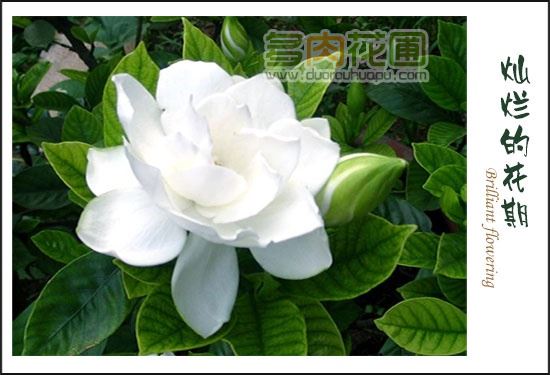
1. Choose acidic potting soil!For potted gardenia, the soil requirement is acidic, with a pH value of 5-6. When planting, use leaf mold, peat soil, or composted sawdust plus half garden soil. Remember not to use wall soil and coal cinders as cultivation soil.
2. Water frequently during the growing process! During the gardenia growing process, when the surface of the potting soil is dry, it needs watering. In the evening, a watering can may be used to sprinkle water on the leaf surface. For plants that grow too vigorously and have longer internodes, do not water in the evening; water again after the sun comes out in the morning.
3. Fertilize frequently as usual! In the cultivation soil, 3% decomposed cake fertilizer can be added as base fertilizer. During the growing season, use alum fertilizer water made by composting cake fertilizer with ferrous sulfate once a week. At the bud stage, water once to twice with a 0.1% potassium dihydrogen phosphate aqueous solution. Stop fertilizing during the hot summer period when the temperature is above 35°C and in autumn when it is below 15°C.
4. Water more and provide more light! Gardenia likes sunlight, but it is afraid of heat and scorching sun. It grows best in a semi-shaded place. 60% sunlight all day is enough, and this can meet its growth needs.
5. Winter dormancy and freeze protection! In winter, the temperature drops, and severe cold will freeze and damage the gardenia root system, especially in the north, where winter arrives early and lasts long, so freeze protection for gardenia in winter is very important. Wrap the flower pot well with foam plastic and other insulation materials, protect the root system, and place it in a wind-sheltered, sunny place to overwinter. In spring it recovers quickly and blooms early.
6. Change the potting soil in spring! Indoor potted gardenia should have its potting soil changed when it reaches about 30 cm in height. If repotting, plant it into the new pot together with the soil ball. It is better to change the soil in March in spring, because after the root system is injured, it is easier for new roots to grow.
7. Prune before winter! According to the tree shape, select and keep three main branches, and at any time prune off other branches sprouting from root suckers. Remember that gardenia must not be cut back at the branch tips in spring, otherwise it will not bloom that year.
【Related recommendations】
· Why do gardenia leaves turn yellow?
· What do carnation flowers represent? Introduction to the symbolic meaning of carnations
· When do Japanese cherry blossoms bloom?
· How should home plants be placed according to feng shui
· The flower language of balloon flower: eternal love
· Cherry blossom tree pictures, complete collection of cherry blossom pictures
Gardenia cultivation methods
Gardenia is beautiful in appearance and has an enticing floral fragrance. In some places it is also called magnolia, and it is one of the important flowers that many people like to grow. People who have grown gardenia all know that growing gardenia is not a simple matter and also requires certain cultivation methods. As for what the methods for growing gardenia are, after reading the editor's introduction everyone will understand.
Gardenia cultivation methods1. Gardenia is a plant that likes to grow in acidic soil. When growing gardenia at home normally, you can choose 70% red soil and 30% leaf mold, and just control the soil pH value between 4 and 6.5.
2. Gardenia is a plant that likes a mild environment. When the outside temperature is between 16 and 18 degrees, it grows fastest. If the outside temperature is too low or the light is too strong, it is very unfavorable to the growth of gardenia. Therefore, in summer, gardenia should be placed in a ventilated and shaded place, while in winter it should be placed in sunlight, and the temperature must not be lower than zero degrees. If gardenia is kept in low temperatures in winter, it may fail to bloom the following year.
3. Gardenia likes water very much. During its growing period, water should be supplemented in time. When the gardenia soil turns white, it should be watered, and it needs to be watered thoroughly at one time. After summer arrives, its leaves should also be sprayed, preferably twice a day. When gardenia is about to bloom, the frequency of watering should be controlled to prevent flower buds from dropping. In addition, do not water excessively in winter, otherwise root rot may occur.