A Detailed Guide to the Cultivation Methods and Precautions for Nerve Plants
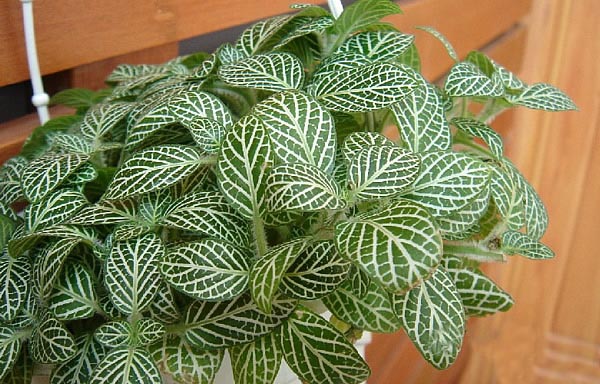
Best propagation time: Under suitable temperature conditions, nerve plants can be propagated by cuttings all year round, with the best results from May to September when temperatures are slightly higher.
Best growing soil: To prepare the growing soil for nerve plants, first place a layer of coarse-grained substrate or ceramsite about 2 cm thick at the bottom of the pot as a drainage layer, then sprinkle a layer of fully decomposed organic fertilizer as a base fertilizer, about 1-2 cm thick, then cover it with one of paddy soil, pond mud, or leaf mold. You can also use a mixed soil of vegetable garden soil : cinder = 3:1, or garden soil : medium-coarse river sand : sawdust (mushroom residue) = 4:1:2.
Humidity requirements for growth: Nerve plants prefer a humid environment and need relatively high air humidity during the growing season. Especially in the high-temperature summer season, when water evaporation is high and the air is dry, in addition to watering to increase the moisture of the potting soil, misting the leaves and sprinkling water on the ground are even more necessary. Maintaining relatively high air humidity is beneficial to the growth of the stems and leaves of nerve plants. However, the potting soil must drain well and must not become waterlogged, and the leaves must not be soaked in water mist for a long time, otherwise the leaves will turn white in color and are prone to falling off and rotting. But in winter or on rainy days, the potting soil can be slightly drier, and the air humidity can be moderate.
Best growing temperature: Nerve plants like warmth, and the suitable growing temperature is 18-25°C. Nerve plants have poor cold tolerance; when the temperature is below 12°C, the leaves will suffer cold damage, and at about 8°C the plant may die.
Best growing light: Nerve plants like medium-intensity light and avoid direct sunlight, but they also have relatively strong shade tolerance. Indoors, it is best to place them by a bright window.
Cultivation Methods and Precautions for White Nerve Plants
The white nerve plant is small and delicate, with elegant leaf colors and even textures, making it a very good small potted plant. So how do you cultivate white nerve plants? What should be noted during cultivation? Let's learn about it together below.
I. Cultivation Methods for White Nerve Plants
1. Soil: The potting soil for white nerve plants is best as sandy loam rich in humus. You can also use a mix of 50% peat soil or coconut coir, 30% pond mud, and 20% river sand, or use a loose, water-retentive peat nutrient soil. Because its root system is relatively shallow, it does not need a tall, deep pot for planting; a wide-mouthed shallow pot is better.
2. Light: White nerve plants avoid exposure to the scorching summer sun, but they need to grow in suitable sunlight. Therefore, there should be 4-6 hours of scattered light every day. If indoor light is insufficient, you can place the potted plant under a fluorescent lamp at night to increase the number of light hours and ensure the plant's demand for weak light.
3. Temperature: The most suitable growing temperature for white nerve plants is 18°C-30°C. They avoid cold and frost. In cold winter, the overwintering temperature needs to be kept above 10°C. When the winter temperature drops below 4°C, they enter a dormant state. If the ambient temperature approaches 0°C, they will die from frost damage.
4. Watering: Watering white nerve plants should follow the principle of "rather wet than dry," but they must never be waterlogged. Normally, the soil should be kept moist. When cold waves hit in winter, attention should be paid to keeping them warm and windproof, and the amount of watering should be reduced. Watering in the morning is best, to avoid water remaining on the leaves at night, which can cause cold damage and rot.
5. Fertilizing: White nerve plants can grow well without fertilizing. Once every 1-2 months, you can apply granular compound fertilizer or a diluted liquid fertilizer, which can make the leaf color and luster more brilliant. When fertilizing, be careful to avoid fertilizer touching the leaf surface. To maintain a beautiful plant shape, newly planted potted seedlings should be pinched back multiple times to promote more branching.
II. Precautions for Cultivating White Nerve Plants
Common pests and diseases of white nerve plants include cabbage caterpillars, aphids, red spiders, anthracnose, leaf blight, etc. You can use a 1000-1500 times dilution of 40% omethoate emulsifiable concentrate to control pests, and spray a 1000 times dilution of 50% carbendazim wettable powder to control diseases. White nerve plant leaves are easily damaged by woodlice and snails, causing holes. In addition, too strong direct sunlight can also scorch the leaves and cause holes.
The above isthe cultivation methods for white nerve plantsand an introduction to the precautions. We hope it is helpful to everyone. White nerve plants are currently loved all over the world and are one of the quite popular indoor plants.
Cultivation Methods and Flower Language Introduction for White Nerve Plants!
The white nerve plant originates from the tropical rainforests of regions such as the Andes Mountains in South America, Colombia, and Peru. The plant is small and delicate, and among foliage plants it is a small potted plant. Today we will briefly introduce the cultivation methods for white nerve plants as well as the flower language of white nerve plants.
The Flower Language of White Nerve Plants
The flower language of the white nerve plant is: rational and wise.
The white nerve plant is light and delicate, not gorgeous, not noble, and does not catch the eye, but it can give people a fresh and refined feeling. Its leaf veins are clear and neat, with yellow and green alternating, red and green complementing each other, content and happy. It does not make noise, does not compete for favor, but simply stays there quietly, silently growing and sprouting, silently giving you strength. Perhaps it is the rationalist among plants, able to keep itself intact amid all the noise and live out its truest self.
Potting Soil Requirements for Cultivating White Nerve Plants:
The potting soil is best as sandy loam rich in humus. You can also use a mix of 50% peat soil or coconut coir, 30% pond mud, and 20% river sand, or use a loose, water-retentive peat nutrient soil. Because its root system is relatively shallow, it does not need a tall, deep pot for planting; a wide-mouthed shallow pot is better.
Temperature Conditions:
The most suitable growing temperature for white nerve plants is 18°C—30°C. They avoid cold and frost. In cold winter, the overwintering temperature needs to be kept above 10°C. When the winter temperature drops below 4°C, they enter a dormant state. If the ambient temperature approaches 0°C, they will die from frost damage.
Light Conditions:
White nerve plants avoid exposure to the scorching summer sun, but they need to grow in suitable sunlight. Therefore, there should be 4—6 hours of scattered light every day. If indoor light is insufficient, you can place the potted plant under a fluorescent lamp at night to increase the number of light hours and ensure the plant's demand for weak light.
Watering Methods:
Watering should follow the principle of “rather wet than dry,” but they must never be waterlogged. Normally, the soil should be kept moist. When cold waves hit in winter, attention should be paid to keeping them warm and windproof, and the amount of watering should be reduced. Watering in the morning is best, to avoid water remaining on the leaves at night, which can cause cold damage and rot.
Fertilizing Methods:
They can grow well without fertilizing. Once every 1—2 months, you can apply granular compound fertilizer or a diluted liquid fertilizer, which can make the leaf color and luster more brilliant. When fertilizing, be careful to avoid fertilizer touching the leaf surface. To maintain a beautiful plant shape, newly planted potted seedlings should be pinched back multiple times to promote more branching.
Precautions for Cultivating White Nerve Plants
Common pests and diseases of white nerve plants include cabbage caterpillars, aphids, red spiders, anthracnose, leaf blight, etc. You can use a 1000—1500 times dilution of 40% omethoate emulsifiable concentrate to control pests, and spray a 1000 times dilution of 50% carbendazim wettable powder to control diseases. White nerve plant leaves are easily damaged by woodlice and snails, causing holes. In addition, too strong direct sunlight can also scorch the leaves and cause holes.