Silver Queen care methods and precautions
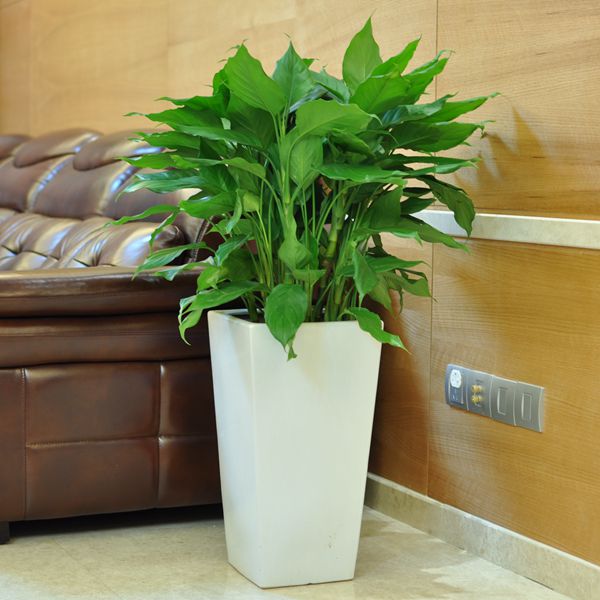
1. Soil: For potted Silver Queen, loose peat soil or turf soil is best. A mix of leaf mold and sandy loam can also be used, acidified with a small amount of diluted ferrous sulfate.
2. Watering: During the peak growth seasons of spring and autumn, Silver Queen needs ample watering, and the potting soil should be kept consistently moist. Also frequently spray the leaves and branches with clean water at a temperature close to room temperature to prevent dry leaf tips, but do not let water accumulate.
3. Light: Silver Queen likes diffused light and is especially afraid of direct sunlight in summer. Outdoors, use a 65%-75% shade net for shading; indoors, place it in a spot with strong light so the leaves keep vivid color. If kept in a dark place for a long time, the leaf surface becomes dull and the leaves become soft and no longer upright, affecting the ornamental effect.
4. Temperature: Silver Queen grows fastest at 20-24°C, stops growing above 30°C, and the leaves easily turn yellow with dry tips. Therefore, in summer, prevent heat and lower the temperature with attention to ventilation; in winter, it should be cultivated in a greenhouse or indoor space, with an overwintering temperature of 10°C as ideal, and not lower than 5°C.
5. Fertilizing: In late spring and early summer, Silver Queen can be given a small amount of acidic nitrogen fertilizer; in summer, increase nitrogen fertilizer; in early and mid-autumn, some compound fertilizer can be applied; in late autumn and early winter, stop fertilizing. With sufficient fertilizer, the stems are thick and strong, there are more tillers, and the leaves are large and plump!
6. Pests and diseases: Silver Queen has dense clumps and poor ventilation, making it susceptible to scale insects, so prevention should be the priority. If scale insects occur, use a 50% malathion emulsion at 1000-1500 times dilution and spray once every 7 days, for 2-3 consecutive sprays.
7. Pruning: As the Silver Queen plant grows larger, to maintain a good plant shape, old leaves at the base should be pruned frequently.
8. Repotting: Silver Queen has strong sprouting vitality and grows quickly, easily filling the pot, so it should be repotted once every two years.
Silver Queen Silver Queen care methods, what should be noted when growing Silver Queen?
Silver Queen
Aliases: Silver Queen Aglaonema, Silver Queen Chinese Evergreen, Silver Queen evergreen
Family and genus: Araceae, Aglaonema
Place of origin: The original species comes from tropical Asia, China
Propagation: Cuttings, division
Flowering period: Spring
Sunlight: Partial sun
Temperature: Optimum growth temperature 20°C~28°C
Soil: Prefers loose, fertile loam
Morphological characteristics: Perennial evergreen herb, plant height 30~50 cm. Leaves are oblong-elliptical, with acuminate tips and wedge-shaped bases, and grayish-white patches on the leaf surface. Spadix inflorescence, berries.
Temperature regulation
Silver Queen likes a warm and humid climate and is not cold-tolerant. It grows fastest at 20-24°C, stops growing above 30°C, and the leaves easily turn yellow with dry tips. Therefore, in summer, prevent heat and lower the temperature with attention to ventilation; in winter, it should be cultivated in a greenhouse or indoor space, with an overwintering temperature of 10°C as ideal, and not lower than 5°C.
Light adjustment
When cultivated outdoors in summer, pay attention to shading so the light is not too strong, otherwise sunscald easily occurs. When overwintering in a greenhouse or indoor space in winter, pay attention to light exposure to prevent the leaf color from fading due to insufficient light.
Water and fertilizer regulation
During the peak growth seasons of spring and autumn, watering should be ample, and the potting soil should be kept consistently moist. Also frequently spray the leaves and branches with clean water at a temperature close to room temperature to prevent dry tips, but do not let water accumulate. During the peak growth season, apply a dilute liquid fertilizer once every half month; in winter, water less and stop topdressing.
Pruning and repotting
As the plant grows larger, to maintain a good plant shape, old leaves at the base should be pruned frequently. In addition, spider plant has strong sprouting ability and grows quickly, easily filling the pot, so it should be repotted once every two years.
Silver Queen pest and disease control
Silver Queen has dense clumps and poor ventilation, making it susceptible to scale insects, so prevention should be the priority. If scale insects occur, use a 50% malathion emulsion at 1000-1500 times dilution and spray once every 7 days, for 2-3 consecutive sprays.
Dry air, overly intense sunlight, and excessively high temperature. This situation mainly occurs in summer and autumn, because Silver Queen likes to grow in humid and semi-shaded environments. Once the air is too dry, the sunlight is unobstructed, and if the temperature is as high as above 30°C, it is very easy to cause the leaf tips of the Silver Queen plant to wither. If this is the case, move the plant to a semi-shaded environment, cut off the withered leaves, and frequently spray water on the leaf surface and surroundings; the newly sprouted leaves can return to a normal state.
How to grow Silver Queen Silver Queen care methods and precautions
Silver Queen is what people often call Chinese evergreen. It is a plant with high ornamental value. Silver Queen is currently widely distributed in our country and is a very popular plant. Many people like to grow Silver Queen, but probably not many are clear about its care methods.
How to grow Silver Queen
1. For potting, loose peat soil or turf soil is best. A mix of leaf mold and sandy loam can also be used, acidified with a small amount of diluted ferrous sulfate. It likes diffused light and is especially afraid of direct sunlight in summer.
2. Outdoors, use a 65%-75% shade net for shading; indoors, place it in a spot with strong light so the leaves keep vivid color. If kept in a dark place for a long time, the leaf surface becomes dull and the leaves become soft and no longer upright, affecting the ornamental effect.
3. It is not cold-tolerant. When the temperature drops to 10°C, insulation measures must be taken. After freezing, the whole plant rots, and in winter it must not be lower than 15°C. In winter and spring, water less during the rainy season; in winter and spring, only water with an appropriate amount of warm water after the potting soil has dried out completely and the minimum temperature has reached above 15°C.
4. It grows vigorously in summer, so a large amount of water can be supplied. In late spring and early summer, a small amount of acidic nitrogen fertilizer can be applied; in summer, increase nitrogen fertilizer; in early and mid-autumn, some compound fertilizer can be applied; in late autumn and early winter, stop fertilizing. With sufficient fertilizer, the stems are thick and strong, there are more tillers, and the leaves are large and plump.
Silver Queen care methods
1. Soil. Silver Queen is mostly grown in pots. To grow it well, choose good soil. For potting, loose peat soil or turf soil is usually best, or a mix of leaf mold and sandy loam, acidified with a small amount of diluted ferrous sulfate.
2. Water and fertilizer regulation. Spring and autumn are the peak growth seasons for Silver Queen. Watering should be ample, and the potting soil should be kept consistently moist. The water temperature should not be too low; the same as room temperature is fine. Frequently spray the leaves and branches with clean water to prevent dry leaf tips, but try not to let water accumulate. During the growth period, apply a dilute liquid fertilizer once every half month, combining watering with fertilizing to ensure the fertilizer concentration is appropriate. In winter, Silver Queen grows more slowly, so water less and stop fertilizing.
3. Temperature. Silver Queen grows fastest at 20-24°C, stops growing above 30°C, and the leaves easily turn yellow with dry tips. So in summer care, pay attention to preventing heat and lowering the temperature, ventilate frequently to cool down, or sprinkle water on the ground. In winter, do not place Silver Queen near a window, to avoid too-low temperatures affecting growth. In winter, keeping the temperature at 10°C is sufficient, and it should not be lower than 5°C.
4. Light. When cultivated outdoors in summer, pay attention to shading so the light is not too strong, otherwise sunscald easily occurs. When overwintering in a greenhouse or indoor space in winter, pay attention to light exposure to prevent the leaf color from fading due to insufficient light.
Precautions for growing Silver Queen
1. Do not let water accumulate in the Silver Queen pot (watering too frequently), as this easily causes root rot. It is best to water after seeing the potting soil become dry. If the potting soil is deep, the watering frequency should be reduced even more. In summer, you can appropriately water more or spray water to ensure humidity. There is a saying, “whether it lives or dies depends on water,” which shows the importance of watering.
2. Silver Queen cannot withstand scorching sun. Silver Queen is mainly grown for its leaves. If kept under strong sunlight for a long time, especially at noon in summer, the leaves are easily burned, affecting the ornamental value and losing the meaning of caring for it.
What to do if Silver Queen leaf tips turn black
1. Water accumulation in the potting soil causes Silver Queen root rot, which is also a cause of withered and blackened leaf tips in Silver Queen. At this time, you can take the Silver Queen plant out, remove the soil, then cut off the rotted roots. After drying, it can be planted in clean moist sand. After it grows new roots, repot it with new culture soil for care.
2. Dry air combined with strong light and excessively high temperature is one of the causes of withered and blackened leaf tips in Silver Queen. This situation mostly occurs in summer and autumn. At this time, you can place Silver Queen in a semi-shaded spot, cut off the withered leaves, and frequently spray water on Silver Queen to maintain humidity. The newly grown leaves will return to normal.
Silver Queen care can start from its growth habits. First, choose suitable soil for growing it, then control the temperature. In the later stages of cultivation, management should be strengthened. Fertilizer and water are relatively important links. Silver Queen is not tolerant of water accumulation, so drainage work should be done well.