Must-Know Care Tips for Keeping Houseplants at Home
Many people know that potted plants absorb carbon dioxide and produce oxygen through photosynthesis during the day, but at night without light, they absorb oxygen and produce carbon dioxide, which to some extent can also cause a certain amount of pollution. And many plants sold in flower shops are not suitable for placement in relatively enclosed indoor spaces. When choosing plants for each space, there is also a certain amount of knowledge involved. Next, let us give you a brief introduction!
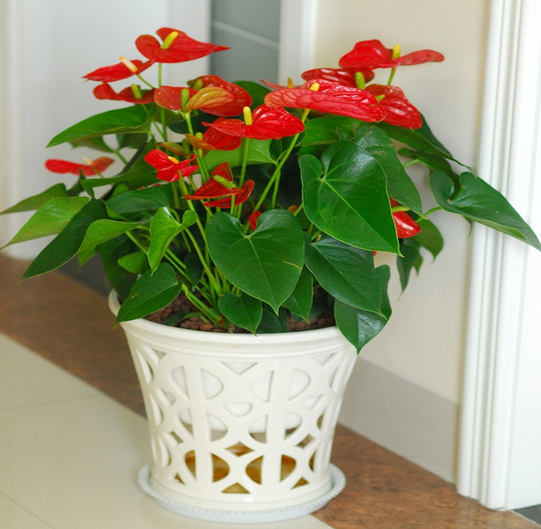
Compared with outdoor spaces, indoor living spaces differ in terms of lighting, ventilation and other environmental conditions for plant growth, and plant care also regulates the indoor micro-environment. Therefore, when caring for plants indoors, you should avoid introducing toxic and harmful substances, and avoid local unclean water environments that breed mosquitoes and other insects that disturb the home environment.
First, in terms of seed selection, besides choosing suitable plants, for foliage plants, you should select or cultivate plants with compact branches, glossy and thick leaves, and vigorous growth; for flowering or fruiting types, such as kumquat plants chosen before the Chinese New Year, you should confirm that there are many unopened flower buds or that the fruit is still in the early stage of hanging on the branches. If buying seeds, you can choose hybrid seeds; hybrid breeding and selection determine that they have more vigorous growth vitality than ordinary seeds.
Reasonable watering is not only an important factor in plant care, but also an important factor in determining whether the home micro-environment becomes polluted. Generally speaking, plants on balconies should be watered more, while indoor plants should be watered less. Indoors there is no direct sunlight, plant transpiration is weaker, and water disperses more slowly, so watering can be appropriately reduced, and it is enough to keep the soil slightly moist. Overwatering easily leads to waterlogged roots, causing root rot and breeding mosquitoes. And overwatering is often the main reason for unsuccessful indoor green plant cultivation.
Fertilizing can supply plants with necessary nutrients and promote more luxuriant growth. Generally, indoor plants do not need too much fertilizer, and the specifics can be determined according to the plant's habits. But when choosing fertilizer, avoiding indoor pollution should be the primary principle, with homemade household fertilizers as the main choice. You can also make organic fertilizer yourself, such as sealing rice-washing water and water from rinsing milk bottles with orange peel and eggshells and soaking for half a month, after which it becomes an odorless, high-quality organic compound fertilizer. Note that it should be buried in the soil, and do not place tea dregs, eggshells and the like directly on the soil surface, as this will nourish harmful insects. You can also use leftover beer to water flowers; the large amount of carbon dioxide in beer is a substance needed for green plants' photosynthesis, while carbohydrates, proteins, phosphates and other nutrients are also essential for plant growth.
The above is the related introduction we brought to you today. I believe friends have also gained a certain understanding. We hope this article can help you.
Indoor Potted Plant Purchasing and Care Guide: Create a Good Home Environment
Green potted plants are the most eco-friendly soft decoration in the home. They not only decorate the home but also purify harmful gases such as formaldehyde and clean the air environment. But in fact, many people know that potted plants absorb carbon dioxide and produce oxygen through photosynthesis during the day, but at night without light, they absorb oxygen and produce carbon dioxide, which to some extent can also cause a certain amount of pollution. And many plants sold in flower shops are not suitable for placement in relatively enclosed indoor spaces. When choosing plants for each space, there is also a certain amount of knowledge involved.
Part1 Must-Know Tips for Caring for Home Green Plants
Compared with outdoor spaces, indoor living spaces differ in terms of lighting, ventilation and other environmental conditions for plant growth, and plant care also regulates the indoor micro-environment. Therefore, when caring for plants indoors, you should avoid introducing toxic and harmful substances, and avoid local unclean water environments that breed mosquitoes and other insects that disturb the home environment.
First, in terms of seed selection, besides choosing suitable plants, for foliage plants, you should select or cultivate plants with compact branches, glossy and thick leaves, and vigorous growth; for flowering or fruiting types, such as kumquat plants chosen before the Chinese New Year, you should confirm that there are many unopened flower buds or that the fruit is still in the early stage of hanging on the branches. If buying seeds, you can choose hybrid seeds; hybrid breeding and selection determine that they have more vigorous growth vitality than ordinary seeds.
Reasonable watering is not only an important factor in plant care, but also an important factor in determining whether the home micro-environment becomes polluted. Generally speaking, plants on balconies should be watered more, while indoor plants should be watered less. Indoors there is no direct sunlight, plant transpiration is weaker, and water disperses more slowly, so watering can be appropriately reduced, and it is enough to keep the soil slightly moist. Overwatering easily leads to waterlogged roots, causing root rot and breeding mosquitoes. And overwatering is often the main reason for unsuccessful indoor green plant cultivation.
Fertilizing can supply plants with necessary nutrients and promote more luxuriant growth. Generally, indoor plants do not need too much fertilizer, and the specifics can be determined according to the plant's habits. But when choosing fertilizer, avoiding indoor pollution should be the primary principle, with homemade household fertilizers as the main choice. You can also make organic fertilizer yourself, such as sealing rice-washing water and water from rinsing milk bottles with orange peel and eggshells and soaking for half a month, after which it becomes an odorless, high-quality organic compound fertilizer. Note that it should be buried in the soil, and do not place tea dregs, eggshells and the like directly on the soil surface, as this will nourish harmful insects. You can also use leftover beer to water flowers; the large amount of carbon dioxide in beer is a substance needed for green plants' photosynthesis, while carbohydrates, proteins, phosphates and other nutrients are also essential for plant growth.
Indoor Potted Plant Purchasing and Care Guide: Create a Good Home Environment
Recommended Product: Miracle-Gro New Gardener Planting Kit
Reference Price: ¥49.00
Recommended Reason: Home green plants are actually different from outdoor planting in terms of the choice of growing medium, seed selection, and daily care. For urbanites busy with work and life, there may not be much energy to care for and understand them. In fact, for small desktop potted plants, you can choose planting kits specially designed for home use. These kits have everything from flower pots to seeds, fertilizer, and nutrient soil, and they also include simple instructions on care techniques. Sow the seeds, and you only need to patiently wait for them to sprout and reap your own surprise.
Part2 Notes on Choosing Home Green Plants
Green plants can effectively absorb toxic and harmful substances. For example, spider plants and aloe can absorb formaldehyde, chlorine and benzene compounds left after renovation; English ivy can absorb benzene; and maidenhair fern is considered the most effective biological "purifier", and so on. But plants are not better the more there are. Generally speaking, an indoor space of 20 square meters should not have more than four green plants. If too many are placed, although visually the home looks greener, at night the carbon dioxide brought by plant respiration increases the indoor carbon dioxide concentration, invisibly causing a certain amount of air pollution. And if the living space is too small, it is best not to choose plants with luxuriant branches and leaves such as money trees and monstera.
When choosing plants, the type of plant is the primary factor that must be considered. Some plants sold in flower shops are suitable for balconies but not for indoor placement. For example, night-blooming jasmine releases a large amount of pungent particles at night. If placed indoors, especially in the bedroom, long-term inhalation can make people dizzy and depressed, bringing pressure to the respiratory system and heart. And tulips contain toxic alkaloids, and long-term contact can easily lead to hair loss, so they are best not placed in spaces such as bedrooms and kitchens.
Whether the plant's growth habits match the micro-environment of the placement space, such as ventilation and lighting, must also be considered. Whether plants can be grown attractively largely depends on the lighting level of the living space. For spaces with weaker lighting such as bathrooms, shade-loving or semi-shade-loving plants should be chosen. For bedrooms, plants with luxuriant branches and leaves should not be chosen, to avoid "competing" with people for oxygen at night; for environments with good lighting and easy direct sunlight such as balconies, avoid placing shade-loving plants in that space.
In addition, the physical condition and activity habits of family members are also factors that must be considered when purchasing home plants. If there are children at home, it is best not to place thorny plants such as cacti and roses; if family members are allergic to pollen, avoid placing allergen plants with abundant pollen such as lilies at home, and green flowerless potted plants are preferable; large potted plants should be placed in corners to avoid hindering family members' movement.
Part3 How to Arrange Green Plants for Different Spaces
The living room is relatively large and is the space in the home with better lighting. But the living room is the most important space for family members to spend time together, and it is also the most important impression the home gives to guests and friends. Green plants chosen for the living room should mainly serve as an accent, with emphasis on being "clever" and implying good fortune, avoiding excessive clustering that overwhelms the main focus. Common plants placed in the living room include lucky bamboo, narcissus, orchids, chrysanthemums and so on. These are more suitable for placement on coffee tables, wall cabinets and similar positions, while large foliage plants such as peace lilies, money trees and rubber trees are also common potted plants in living rooms, generally placed in corners so the space does not look monotonous. And spider plants, pothos and the like are relatively common wall-hanging green plants.
Bedrooms should avoid broad-leaved plants with luxuriant branches and leaves, to reduce "competing" with people for air at night when there is no sunlight. Pothos, money trees, spider plants and so on are not suitable for placement in bedrooms. In addition, flowering plants with strongly irritating fragrances should also be avoided, such as tulips, roses, lilies, night-blooming jasmine and so on, because plants generally release fragrance to attract insects for pollination, and the biological substances in the fragrance, when stimulating the human nervous system for long periods during sleep, can easily trigger mental and respiratory system diseases. In addition, water-cultured plants should be avoided, because the micro-environment formed by plants soaking in water easily breeds mosquitoes and other insects that disturb sleep. You can choose small potted plants such as snake plants, aloe, and mugwort. Mugwort also has the effect of calming the nerves and aiding sleep, making it very suitable for placement at the bedside.
Dining room: The dining room provides a pleasant and comfortable environment for family members to enjoy delicious food, but "illness enters by the mouth" also makes this space an important environment related to family health. Generally speaking, plants that release toxic and harmful substances should be avoided in the dining room to prevent food contamination. On the other hand, plants with too strong an odor are also not suitable for placement in this space, lest they affect appetite. You can choose some interesting plants to increase a joyful atmosphere and enhance appetite, such as poinsettias, begonias, chrysanthemums and other flowers with relatively vivid colors, relatively elegant appearance, and no overly strong fragrance.
Notes on Choosing and Caring for Home Green Plants and Green Plant Arrangement for Different Spaces
Green plants are the most indispensable soft decoration in the home. They can beautify the home and serve as accents in every corner, and they can also help clean the air and purify the home environment. But in fact, many people know that potted plants absorb carbon dioxide and produce oxygen through photosynthesis during the day, but at night without light, they absorb oxygen and produce carbon dioxide, which to some extent can also cause a certain amount of pollution. And many plants sold in flower shops are not suitable for placement in relatively enclosed indoor spaces. When choosing plants for each space, there is also a certain amount of knowledge involved.
Notes on Choosing Home Green Plants
A 20 sq m indoor space should not have more than four green plants; do not choose plants with luxuriant branches and leaves for too-small spaces.
Green plants can effectively absorb toxic and harmful substances. For example, spider plants and aloe can absorb formaldehyde, chlorine and benzene compounds left after renovation; English ivy can absorb benzene; and maidenhair fern is considered the most effective biological "purifier", and so on. But plants are not better the more there are. Generally speaking, an indoor space of 20 square meters should not have more than four green plants. If too many are placed, although visually the home looks greener, at night the carbon dioxide brought by plant respiration increases the indoor carbon dioxide concentration, invisibly causing a certain amount of air pollution. And if the living space is too small, it is best not to choose plants with luxuriant branches and leaves such as money trees and monstera.
Consider the plant's biological characteristics; avoid overly strong fragrances and the release of toxic substances.
When choosing plants, the type of plant is the primary factor that must be considered. Some plants sold in flower shops are suitable for balconies but not for indoor placement. For example, night-blooming jasmine releases a large amount of pungent particles at night. If placed indoors, especially in the bedroom, long-term inhalation can make people dizzy and depressed, bringing pressure to the respiratory system and heart. And tulips contain toxic alkaloids, and long-term contact can easily lead to hair loss, so they are best not placed in spaces such as bedrooms and kitchens.
Spaces with weak lighting should use shade-loving plants; bedrooms should avoid people and plants competing for oxygen.
Whether the plant's growth habits match the micro-environment of the placement space, such as ventilation and lighting, must also be considered. Whether plants can be grown attractively largely depends on the lighting level of the living space. For spaces with weaker lighting such as bathrooms, shade-loving or semi-shade-loving plants should be chosen. For bedrooms, plants with luxuriant branches and leaves should not be chosen, to avoid “competing” with people for oxygen at night; for environments with good lighting and easy direct sunlight such as balconies, avoid placing shade-loving plants in that space.
If there are children at home, avoid thorny plants such as cacti; large green plants should be placed in corners.
In addition, the physical condition and activity habits of family members are also factors that must be considered when purchasing home plants. If there are children at home, it is best not to place thorny plants such as cacti and roses; if family members are allergic to pollen, avoid placing allergen plants with abundant pollen such as lilies at home, and green flowerless potted plants are preferable; large potted plants should be placed in corners to avoid hindering family members' movement.
How to Arrange Green Plants for Different Spaces
Living room: It should mainly serve as an accent, with emphasis on being “clever” and implying good fortune, avoiding excessive clustering.
The living room is relatively large and is the space in the home with better lighting. But the living room is the most important space for family members to spend time together, and it is also the most important impression the home gives to guests and friends. Green plants chosen for the living room should mainly serve as an accent, with emphasis on being “clever” and implying good fortune, avoiding excessive clustering that overwhelms the main focus. Common plants placed in the living room include lucky bamboo, narcissus, orchids, chrysanthemums and so on. These are more suitable for placement on coffee tables, wall cabinets and similar positions, while large foliage plants such as peace lilies, money trees and rubber trees are also common potted plants in living rooms, generally placed in corners so the space does not look monotonous. And spider plants, pothos and the like are relatively common wall-hanging green plants.
Bedroom: Do not choose broad-leaved plants with luxuriant branches and leaves; avoid them “competing” with people for oxygen at night.
Bedrooms should avoid broad-leaved plants with luxuriant branches and leaves, to reduce “competing” with people for air at night when there is no sunlight. Pothos, money trees, spider plants and so on are not suitable for placement in bedrooms. In addition, flowering plants with strongly irritating fragrances should also be avoided, such as tulips, roses, lilies, night-blooming jasmine and so on, because plants generally release fragrance to attract insects for pollination, and the biological substances in the fragrance, when stimulating the human nervous system for long periods during sleep, can easily trigger mental and respiratory system diseases. In addition, water-cultured plants should be avoided, because the micro-environment formed by plants soaking in water easily breeds mosquitoes and other insects that disturb sleep. You can choose small potted plants such as snake plants, aloe, and mugwort. Mugwort also has the effect of calming the nerves and aiding sleep, making it very suitable for placement at the bedside.
Dining room: Avoid green plants with overly strong odors and those that release toxic substances; choose interesting plants.
Dining room: The dining room provides a pleasant and comfortable environment for family members to enjoy delicious food, but “illness enters by the mouth” also makes this space an important environment related to family health. Generally speaking, plants that release toxic and harmful substances should be avoided in the dining room to prevent food contamination. On the other hand, plants with too strong an odor are also not suitable for placement in this space, lest they affect appetite. You can choose some interesting plants to increase a joyful atmosphere and enhance appetite, such as poinsettias, begonias, chrysanthemums and other flowers with relatively vivid colors, relatively elegant appearance, and no overly strong fragrance.
Others: Hydrangea should not be placed at home, as it easily triggers symptoms such as allergies and itching.
In addition, special attention should be paid to some plants that are not suitable for placement at home. There is a list circulating online of 52 kinds of cancer-causing flowers and trees. Although there is no scientific data clearly showing direct disease-causing data from placing them at home, from the perspective of reducing the probability of contact with carcinogenic substances, it can still serve as an important reference for choosing green plants. You can also refer to some relatively common plants that are not recommended for placement at home, such as pine and cypress flowers and trees. The aromatic substances released by such flowers and trees have an irritating effect on the human gastrointestinal tract, and long-term inhalation can easily affect appetite. For special groups such as pregnant women, it can also easily trigger nausea, vomiting, dizziness and vertigo. Hydrangea is also not suitable for placement at home. The substances released by the flowers contain special particulate bioactive substances, and contact with people can easily trigger skin allergy and itching symptoms. As well as the aforementioned flowers such as night-blooming jasmine.
Must-Know Tips for Caring for Home Green Plants
Compared with outdoor spaces, indoor living spaces differ in terms of lighting, ventilation and other environmental conditions for plant growth, and plant care also regulates the indoor micro-environment. Therefore, when caring for plants indoors, you should avoid introducing toxic and harmful substances, and avoid local unclean water environments that breed mosquitoes and other insects that disturb the home environment.
Seed Selection
When buying seeds, you can choose hybrid seeds, which have stronger vitality than ordinary seeds.
First, in terms of seed selection, besides choosing suitable plants, for foliage plants, you should select or cultivate plants with compact branches, glossy and thick leaves, and vigorous growth; for flowering or fruiting types, such as kumquat plants chosen before the Chinese New Year, you should confirm that there are many unopened flower buds or that the fruit is still in the early stage of hanging on the branches. If buying seeds, you can choose hybrid seeds; hybrid breeding and selection determine that they have more vigorous growth vitality than ordinary seeds.
Watering
Indoor sunlight is weaker, plant transpiration is reduced, so watering should be reduced to avoid root rot.
Reasonable watering is not only an important factor in plant care, but also an important factor in determining whether the home micro-environment becomes polluted. Generally speaking, plants on balconies should be watered more, while indoor plants should be watered less. Indoors there is no direct sunlight, plant transpiration is weaker, and water disperses more slowly, so watering can be appropriately reduced, and it is enough to keep the soil slightly moist. Overwatering easily leads to waterlogged roots, causing root rot and breeding mosquitoes. And overwatering is often the main reason for unsuccessful indoor green plant cultivation.
Fertilizing:
Avoiding indoor pollution should be the primary principle.
Fertilizing can supply plants with necessary nutrients and promote more luxuriant growth. Generally, indoor plants do not need too much fertilizer, and the specifics can be determined according to the plant's habits. But when choosing fertilizer, avoiding indoor pollution should be the primary principle, with homemade household fertilizers as the main choice. You can also make organic fertilizer yourself, such as sealing rice-washing water and water from rinsing milk bottles with orange peel and eggshells and soaking for half a month, after which it becomes an odorless, high-quality organic compound fertilizer. Note that it should be buried in the soil, and do not place tea dregs, eggshells and the like directly on the soil surface, as this will nourish harmful insects. You can also use leftover beer to water flowers; the large amount of carbon dioxide in beer is a substance needed for green plants' photosynthesis, while carbohydrates, proteins, phosphates and other nutrients are also essential for plant growth.