A Complete Guide to Potted Flower Planting Techniques and Prices
For growing flowers at home, potted flowers are generally the main choice. Due to space limitations, do not plant too many; 10 to 15 pots is suitable. The flowers you choose are best to include a mix of foliage plants, flowering plants, fruit-bearing plants, fragrant plants, and plants grown for their form, so that the varieties are rich and diverse. Different potted plants have different planting techniques. Come and take a look with the editor of Yiqizhuangxiu.com!
Lucky Bamboo (Dracaena sanderiana) potted plant 10 yuan-28 yuan/pot
Its stem is like that of bamboo, section by section, and many small branches extend from the stem, but its leaves are different from bamboo leaves. They are wider and thicker than bamboo leaves, and it is a relatively small plant that does not take up too much space. It also has the effect of removing formaldehyde and protecting against radiation. It is very suitable for placing next to a computer and in the office.
Orange Jasmine (Murraya paniculata) potted plant 40 yuan-80 yuan/pot
It is a water-grown potted plant that produces fragrant flowers, and its flowering period is relatively long, and it blooms fairly easily. In spring and summer, as long as it is placed in a sunny spot, it will bloom easily. It is also a flower that can be grown without soil; it can be cultivated by placing a kind of white stone in a relatively advanced glass flowerpot with automatic water absorption, so growing it is clean and simple. In addition, the flower language of Orange Jasmine includes long
lasting meaning, making it a potted flower very suitable for giving as a gift.
Echeveria 'Piel de Blue' potted plant 12 yuan-36 yuan/pot
It is a relatively small flower that looks like a beautiful blue lotus and belongs to the aloe family. When planting, note that the environmental temperature difference cannot be too large, otherwise the leaves will turn deep reddish-brown. It should be placed in a place with sufficient light, otherwise it will grow weaker and weaker. In spring, autumn, and summer, it should not be watered too frequently; wait until its soil has dried out completely before watering. In summer, also be careful not to let it be exposed to strong sun. In winter, also be careful to place it in a place with relatively sufficient sunlight.
Narcissus (Narcissus tazetta) bulb water-grown potted plant 16 yuan-38 yuan/pot
Narcissus is a flower grown in clean water, and it is also a very easy flower to plant. Its flowers are pure white and beautiful, elegant and refined, and it also has the effect of purifying the air, so it is very suitable as a potted flower to grow. At the beginning, narcissus looks like a garlic bulb, so when we receive the narcissus, we should first peel off its outer skin before planting, then place it in a watertight flowerpot, add water that covers one third of the narcissus bulb, and then add some sterilized nutrient solution. Then change it with clean water every one or two days, and before long the beautiful flowers we have been waiting for will bloom.
Key Technical Points for Potted Flowers in Winter
When autumn is about to end, potted plants need to be handled so that they can overwinter without being affected by cold damage. In early winter, potted flowers accumulate nutrients and differentiate flower buds. At this critical moment, overwintering management of potted flowers is very important. Below is an introduction to the key technical points for potted flowers in winter.
Introduction to the key technical points for handling potted flowers in winter:
1. Cold protection for flowers is determined according to their growth habits and temperature requirements. Flowers stop growing in winter,
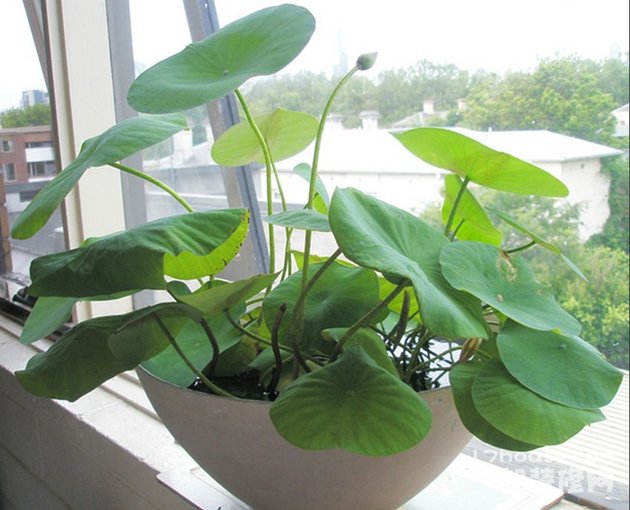
a. Those entering dormancy, such as Chinese rose and lotus, must all be placed in a space of at least 3 degrees,
b. For semi-dormant flowers, such as gardenia and camellia, a temperature of at least 5°C must be guaranteed,
c. For plants that do not go dormant and continue to grow, such as begonia and carnation, a greenhouse space of 8-10 degrees or above is needed for cultivation.
2. Fertilizing plants in winter cannot be ignored. If the potting soil is dry, water promptly after fertilizing. In addition, foliar feeding can be carried out together with pesticide spraying to supplement flower nutrition. Commonly used top dressings include 0.5% urea, 1% superphosphate, and 0.3% potassium sulfate.
3. In winter, pesticides should also be sprayed on potted flowers. Low temperatures relatively reduce pests and diseases, but prevention is still indispensable. Focus on preventing and controlling leaf perforation disease, aphids, red spiders, and leaf miners and other pests and diseases. Generally, 50% carbendazim 800-times solution plus 40% dimethoate emulsifiable concentrate 1500-times solution, or 50% thiram wettable powder 600-times solution plus 40% isocarbophos 1000-times solution and other agents can be selected for prevention and control.
4. In winter, plants should also be pruned. Pruning flower branches during the dormant period can promote more sprouting of branches, flowering, and fruiting the following year; for perennial vine flowers, cut out overly dense branches, overlapping branches, and diseased and pest-infested branches; for shrubs grown for their ornamental branches and trunks, such as red osier dogwood, choose new shoots close to the main branches for heavy short pruning to stimulate the growth of new branches.
5. Finally, there is the soil issue. The roots of plants need to breathe, so the soil only needs to be loose, breathable, fertile, and have good drainage.
Key Technical Points for Potted Flowers in Winter
When autumn is about to end, potted plants need to be handled so that they can overwinter without being affected by cold damage. In early winter, potted flowers accumulate nutrients and differentiate flower buds. At this critical moment, overwintering management of potted flowers is very important. Below is an introduction to the key technical points for potted flowers in winter.
Editor's recommendations:How often should a cactus be watered? What are the feng shui effects of a cactus? What is the flower language of carnations?
Introduction to the key technical points for handling potted flowers in winter:
1. Cold protection for flowers is determined according to their growth habits and temperature requirements. Flowers stop growing in winter,
a. Those entering dormancy, such as Chinese rose and lotus, must all be placed in a space of at least 3 degrees,
b. For semi-dormant flowers, such as gardenia and camellia, a temperature of at least 5°C must be guaranteed,
c. For plants that do not go dormant and continue to grow, such as begonia and carnation, a greenhouse space of 8-10 degrees or above is needed for cultivation.
2. Fertilizing plants in winter cannot be ignored. If the potting soil is dry, water promptly after fertilizing. In addition, foliar feeding can be carried out together with pesticide spraying to supplement flower nutrition. Commonly used top dressings include 0.5% urea, 1% superphosphate, and 0.3% potassium sulfate.
3. In winter, pesticides should also be sprayed on potted flowers. Low temperatures relatively reduce pests and diseases, but prevention is still indispensable. Focus on preventing and controlling leaf perforation disease, aphids, red spiders, and leaf miners and other pests and diseases. Generally, 50% carbendazim 800-times solution plus 40% dimethoate emulsifiable concentrate 1500-times solution, or 50% thiram wettable powder 600-times solution plus 40% isocarbophos 1000-times solution and other agents can be selected for prevention and control.
4. In winter, plants should also be pruned. Pruning flower branches during the dormant period can promote more sprouting of branches, flowering, and fruiting the following year; for perennial vine flowers, cut out overly dense branches, overlapping branches, and diseased and pest-infested branches; for shrubs grown for their ornamental branches and trunks, such as red osier dogwood, choose new shoots close to the main branches for heavy short pruning to stimulate the growth of new branches.
5. Finally, there is the soil issue. The roots of plants need to breathe, so the soil only needs to be loose, breathable, fertile, and have good drainage.