How to grow Asparagus densiflorus? Master these six care tips
Asparagus densiflorus has a neat plant shape, upright and sturdy stems, and soft, clustered spherical leaves, giving it great ornamental value, so it is deeply loved by people. If you have chosen Asparagus densiflorus for your home greenery, then what are the care tips for Asparagus densiflorus? Next, let the editor of 17house briefly introduce them to you!
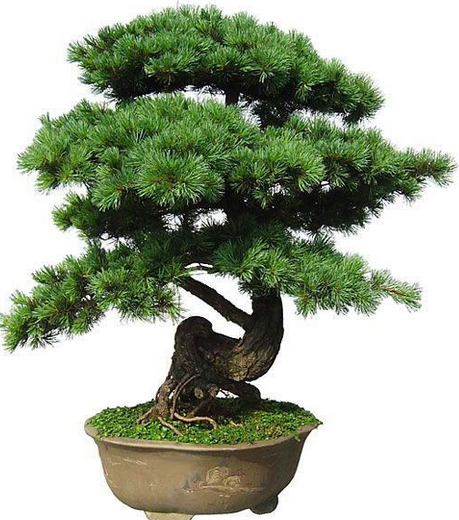
Six care tips for Asparagus densiflorus, have you learned them?
1. Soil: Asparagus densiflorus can adapt to many types of soil, but it is not tolerant of saline-alkaline soil. Deep, moist, loose, slightly acidic sandy loam is best. For potted plants, it is best to use aged garden soil and leaf mold, mixed with an appropriate amount of sandy soil.
2. Sunlight: Asparagus densiflorus likes a warm and humid environment, but fears strong light. In summer, pay attention to providing appropriate shade to prevent exposure to sunlight, so as to avoid scorching or yellowing of the branches and leaves. In the cold and dim winter, it needs sufficient sunlight.
3. Temperature: The most suitable temperature for the growth of Asparagus densiflorus is 20-30°C, and the overwintering temperature is 3°C. When the summer high temperature exceeds 35°C, growth will stop and the leaf clusters will turn yellow. Asparagus densiflorus is quite cold-resistant; as long as the winter temperature is not lower than 5°C, it can overwinter safely.
4. Water: Spring and summer are the peak growing seasons for Asparagus densiflorus, requiring sufficient water, but the potting soil should not be allowed to become waterlogged, so as to avoid root rot; after late autumn, the amount of watering should be gradually reduced, keeping the potting soil only slightly moist.
5. Fertilizer: Spring and summer are the growing seasons for Asparagus densiflorus. To make the branches and leaves grow luxuriantly, attention should be paid to supplementing nutrients. Fertilize once every half month, mainly with nitrogen and potassium.
6. Pests: Asparagus densiflorus has relatively few pests and diseases, but it can also suffer from leaf blight, which can be sprayed with a 1000-fold dilution of 50% carbendazim wettable powder. If there are whiteflies and scale insects, they can be killed by spraying with a 1000-fold dilution of 40% omethoate emulsifiable concentrate.
Six care tips for Asparagus densiflorus, have you learned them?
How to grow Asparagus densiflorus well? Care tips for Asparagus densiflorus
Asparagus densiflorus is also known as hydrangea asparagus, water pine, pine-leaf asparagus fern, pine-leaf asparagus, pine bamboo grass, and so on. It is especially suitable for potted ornamental display. Below, let us look at the cultivation techniques and care tips for Asparagus densiflorus bonsai.
I. Growing environment
1. Before introducing the cultivation methods for Asparagus densiflorus, we should first understand what kind of environment it likes to grow in. Asparagus densiflorus likes warm, humid and shaded environments.
2. Asparagus densiflorus likes warm, humid and semi-shaded environments. It is not cold-resistant, fears long periods of strong sunlight exposure and high temperatures, and is not tolerant of drought or waterlogging.
3. If the winter temperature is lower than 5°C, it is prone to freezing damage. If the summer high temperature is too high, the growth of Asparagus densiflorus will stop and the leaf-like stems will turn yellow. Loose, fertile leaf mold is best.
II. Cultivation methods
1. Asparagus densiflorus is generally propagated by division, and can also be sown, but seedling growth is slow.
2. During the growing season, it should be watered thoroughly. After autumn, when the temperature drops, watering should be gradually reduced.
3. To make the branches and leaves luxuriant, more nitrogen fertilizer and potassium fertilizer can be applied, with additional application about once every 15 days.
4. During the spring and summer growing period, sufficient water is needed, but the potting soil must not become waterlogged; otherwise, root rot and leaf drop easily occur.
5. If the potting soil is too dry, the leaves will turn yellow, causing the leaf margins to wither and yellow or the leaves to wilt and drop.
III. Seedling management
1. The cultivation and management of Asparagus densiflorus is relatively simple. During the spring and summer growing seasons, fertilize once every half month, mainly with nitrogen and potassium. Usually, pay attention to keeping the potting soil from becoming waterlogged.
2. When growing Asparagus densiflorus, fertilize once a month, applying more nitrogen and potassium fertilizers, and use high-potassium nitrate fertilizer in all four seasons.
3. In midsummer, high temperatures, strong light or insufficient light can also cause the leaves to turn yellow, wilt and drop. After autumn, when the temperature drops, gradually reduce watering.
4. After 2-3 years of potting, repot in spring. Prune dense shoots and long branches to facilitate ventilation and light penetration. During the growing season, prune dead branches and yellow leaves at any time to make the plant shape symmetrical and beautiful.
IV. Pest and disease control
1. Asparagus densiflorus is mainly harmed by leaf blight, which can be sprayed with a 1000-fold dilution of 50% carbendazim wettable powder.
2. Pests include whiteflies and scale insects, which can be killed by spraying with a 1000-fold dilution of 40% omethoate emulsifiable concentrate.
3. Asparagus densiflorus likes warm, humid and semi-shaded environments, is relatively drought-tolerant, and has strong cold resistance. It has no strict requirements for soil and likes well-aerated, well-drained sandy loam rich in humus.
V. Winter and summer management
1. Excessive summer temperatures may cause the growth of Asparagus densiflorus to stop and the leaf clusters to turn yellow. Provide appropriate shade, prevent exposure to sunlight, and spray water frequently to keep the plant clusters green and beautiful.
2. Asparagus densiflorus likes warm and humid environments, fears strong light and low temperatures. In summer, pay attention to shading; in winter, it needs sufficient sunlight. Loose, fertile leaf mold is best for the soil. It has strong cold resistance; as long as the winter temperature is not lower than 5°C, it can overwinter safely.
Asparagus densiflorus has relatively few pests and diseases. It begins to grow only above 15°C, with 20-30°C being most suitable for its growth, and growth stops when the high temperature exceeds 35°C. Therefore, when growing Asparagus densiflorus, everyone must do a good job of temperature control.
The 2018 spring seedling procurement festival on Huinong Network is actively recruiting high-quality suppliers. Click here to sign up!
Later-stage care of Asparagus densiflorus
1. Temperature
The suitable growth temperature is 20-30 degrees. It is not cold-resistant, and the winter temperature must not be too low, otherwise growth will stagnate.
2. Light
It likes semi-shaded environments and fears direct strong light, so shading is needed in summer; otherwise, the leaves will become scorched and yellow due to lack of water.
3. Water
It likes humid environments. During the growing season, sufficient water should be maintained, but waterlogging should be avoided. Too much water accumulated in the pot will prevent the roots from breathing and cause death. In winter, water less and just keep the soil moist.
4. Fertilization
Fertilization should be mainly nitrogen fertilizer, supplemented by potassium fertilizer. Generally, fertilize once a month.
After reading the above content, do you also want to make an Asparagus densiflorus bonsai yourself? Then hurry up and learn! To learn more, please follow Four Seasons Plants Network!