How do you care for Aglaia odorata so it stays beautiful? You need to master the growing methods
Aglaia odorata blooms from May to September, or it can bloom all year round. Its fragrance is delicate and light, making it a very good plant for decorating the home. Just imagine a gentle breeze blowing in and the whole room filled with a light fragrance - how pleasant that would be. So what growing methods does Aglaia odorata have? Next, let the editor of Yiqizhuangxiu.com briefly introduce them to everyone!
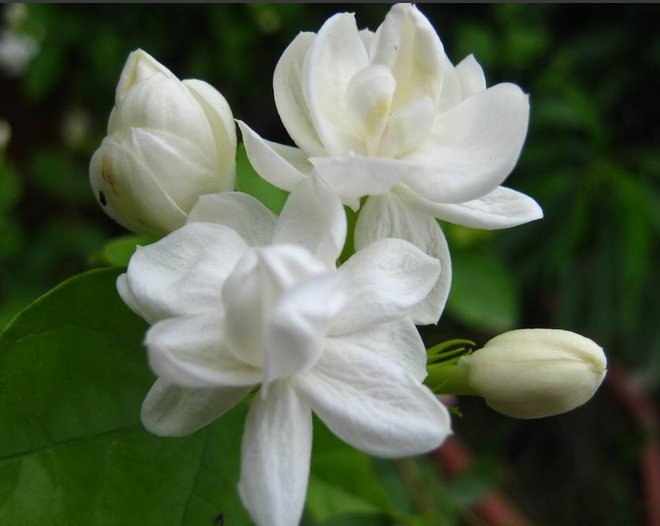
To grow beautiful Aglaia odorata, you need to know the growing methods
1. Sunlight
Aglaia odorata should be placed in a spot with ample sunlight in all four seasons. If you place Aglaia odorata in a courtyard or on a balcony with plenty of light and good ventilation, with 8 to 12 hours or more of sunlight each day, the plant's leaves will be deep green, the branches will grow thick and strong, it will bloom many times, the flowers will be bright yellow, and the fragrance will be richer. If Aglaia odorata is kept in a shaded environment with insufficient sunlight, the branches and leaves will grow spindly and weak, it will bloom less often, and the fragrance will be faint.
2. Watering
Aglaia odorata likes moisture. Watering should be based on whether the climate is dry or humid. You need to keep the potting soil moist but not let it stay overly wet for a long time. Too dry is bad for the growth of Aglaia odorata and causes the leaves to wilt. Maintaining relatively high air humidity is what benefits its growth. During dry weather and the vigorous growth period, it is best to spray the leaves with water 1 to 2 times a day.
3. Temperature
Aglaia odorata likes warmth. The higher the temperature, the more fragrant the flowers it produces. Generally speaking, when the temperature is above 30°C and there is ample sunlight, the flowers it produces will be strongly fragrant; conversely, when the temperature is below 30°C, and especially if it is also in a shaded spot with insufficient light, the flowers it produces will not be as fragrant as when the temperature is high. To grow Aglaia odorata well, the suitable temperature range is between 20°C and 35°C. From June to October, it can bloom as many as 5 times.
4. Fertilizing
Aglaia odorata has a strong ability to flower and blooms many times, so nutrients must be replenished in time. Each time Aglaia odorata finishes blooming, you should promptly replenish nutrients. Insufficient fertilizer is the main reason Aglaia odorata only grows leaves without blooming or drops leaves and buds. Therefore, when the temperature rises, Aglaia odorata should be moved outdoors for care. After one week, loosen the soil and apply some dilute nitrogen fertilizer. You can use 10% to 20% decomposed cake fertilizer water or human excrement and urine. After that, apply liquid fertilizer about once every 10 days to promote the growth of branches and leaves. Starting in June, Aglaia odorata enters its vigorous growth period and flowering period, until mid-October. About every 15 days, apply a stronger fertilizer mainly based on phosphorus fertilizer, or spray a 0.3% potassium dihydrogen phosphate solution once every 15 to 20 days, and it will bloom even more abundantly. Pay special attention that during the flowering period, phosphorus fertilizer must be the main type, otherwise it will only grow leaves without blooming. During the flowering period from June to October, if fertilizer is insufficient, not only will the number of blooms decrease and the flowers lose their fragrance, but the flower buds that have already appeared will also wither and fail to open.
5. Pruning
Aglaia odorata should be pruned and shaped starting from a young seedling, keeping a section of main trunk 15 cm to 20 cm high. Do not let the main branches grow in a cluster from the soil surface; instead, prune at the branching point above the 15 cm high main trunk so the plant's shape becomes full. The lower branches of old perennial plants often age and die. Therefore, in the north it is advisable to shorten-prune once every other year during the hot season, to encourage adventitious buds on the lower part of the main branches to sprout and grow new side branches, thereby keeping the tree shape symmetrical, the tree vigor strong, and the leaves lush and the flowers abundant.
To grow beautiful Aglaia odorata, you need to know the growing methods
How do you care for Aglaia odorata? Growing methods and tips for Aglaia odorata
Aglaia odorata is a flowering plant in the Bromeliaceae family, with a bright red appearance and high ornamental value. Both the leaves and flowers of Aglaia odorata are very textured, with full, beautiful colors. Let's take a look at how to care for Aglaia odorata.
How do you care for Aglaia odorata1. How do you care for Aglaia odorata - habits
Aglaia odorata is rather delicate. In hot and stuffy, dry, or low-temperature environments, it can suffer from withered flowers and leaves. So when growing Aglaia odorata, you must find a way to maintain the moisture level of the entire soil. You can spray water on the leaves of Aglaia odorata every day, but do not water too much, as water accumulation can cause root rot.
2. How do you care for Aglaia odorata - water and fertilizer
The root system of Aglaia odorata is not well developed, so you must be especially careful when handling water and fertilizer. Too heavy fertilizer can cause the root system of Aglaia odorata to rot, while too much water can cause the leaves to turn yellow. While Aglaia odorata is in its flowering period, it does not need fertilizing, but after the flowers fade, appropriately supplement some fertilizer. The best growing temperature for Aglaia odorata is around 21°C, and above 35°C it easily dies.
3. How do you care for Aglaia odorata - cultivation
Aglaia odorata requires attention to temperature control in all four seasons. When the temperature is too low, cover Aglaia odorata with a plastic bag to resist the cold air and protect the flowers' healthy growth. In summer, if the temperature is relatively high, provide shade for Aglaia odorata. In winter, Aglaia odorata's flowering period has already passed, so you can cut the flowers to ensure nutrient conservation.
How do you care for Aglaia odorata? Growing methods and precautions for Aglaia odorata
Aglaia odorata has small leaves and small flowers. When it blooms, the fragrance is rich, and it stays evergreen all year round, making it a very good indoor plant. Because it is easy to grow and also has a light fragrance, it is mostly grown in men's homes. So how do you care for Aglaia odorata? Next, I will introduce the growing methods and precautions for Aglaia odorata.
Image: Aglaia odorata
1. Growing methods for Aglaia odorata
1. Maintaining potting soil performance
Aglaia odorata has a very well-developed root system, with many fine fibrous roots. Therefore, the soil for Aglaia odorata must contain rich nutrients. You need to replace the soil with new soil in time and remove excess rotten roots. It should be repotted at least once every two years; for especially vigorous plants, repot once a year. Add an appropriate amount of plant ash and an appropriate amount of base fertilizer to the new soil, so that the potting soil both retains fertilizer and does not accumulate water, meaning it is both breathable and rich in nutrients.
2. Water correctly and fertilize frequently
In spring, when Aglaia odorata begins to sprout, pay attention to watering. You can appropriately control water; this is the most critical part of "controlling branches to promote flowering." If watering is not properly controlled when Aglaia odorata sprouts, it easily causes branches and leaves to grow spindly. The best method is to water again only when the tender tips slightly shrivel and droop. During other growth periods, keep the potting soil slightly dry and appropriately control nutrients. Promote the growth of branches and leaves.
Apply organic fertilizer 1 to 2 times a week. When the flower buds have already opened, apply additional phosphorus fertilizer. After flowering, water once with organic fertilizer according to the size of the plant shape, to replenish the nutrients consumed and lay a good foundation for the next flowering. However, when fertilizing, you should also appropriately control water, with the limit being that the tender tips do not shrivel.
3. Sufficient light
Aglaia odorata likes light. An overly shady environment will cause branches and leaves to grow spindly, with few flowers or even no fragrance. So Aglaia odorata must receive sufficient light. In an environment with sufficient light, the leaves' photosynthesis is strong, the branches produced are short and thick, and the leaves are small, thick, green, and glossy, promoting continuous differentiation of flower buds.
Image: Aglaia odorata
4. Pinch back and thin branches in time
Aglaia odorata has a very strong sprouting ability, with many tiller buds and adventitious buds. To ensure normal flowering, you need to promptly cut off overly dense, weak-growing, and overly long branches and leaves on the inner branches, to reduce nutrient consumption. When a branch grows to 15 to 20 leaves, it should be pinched back, which can promote more side branches. Timely pruning can also control the length of each branch, not only keeping the plant shape perfect, but also ensuring that each flowering is neat and beautiful.
2. Precautions for growing Aglaia odorata
1. Control the duration of sunlight
Aglaia odorata needs sunlight in all four seasons, preferably 12 hours of light each day. Therefore, Aglaia odorata at home is best placed outdoors or on a balcony in a spot with ample sunlight, so as to ensure the leaves are brightly green and the flowers are fragrant and beautiful.
2. Replenish fertilizer in time
Aglaia odorata likes fertilizer. If fertilizer cannot be replenished in time and reasonably during the growth period, the plant will wilt. Aglaia odorata blooms many times a year, and nutrients are consumed quickly. If nutrients are lacking, the plant will also struggle to bloom, or the flowers will fall before they even open. So after flowering, fertilizer needs to be replenished in time to prepare for the next flowering. Fertilizer during the growth period can be slightly stronger, and during the flowering period you can also appropriately increase the frequency of fertilizing.
3. Water reasonably
As also mentioned in the care methods, watering Aglaia odorata is very important. If it lacks water, the plant will not grow large, but if there is too much water, it will cause the leaves to turn yellow and the roots to rot, both of which affect the flowering of Aglaia odorata. So it is recommended to water once every 2 to 3 days.