Goldfish Plant Care Guide and Flowering Time Explained
The goldfish plant, also called goldfish flower, has a unique and lovely flower shape resembling a goldfish, and is a common indoor potted plant. Growth habits of the goldfish plant: it likes high temperatures, high humidity, and shaded environments, fears high temperatures, is not cold-tolerant, and prefers slightly acidic soil with good drainage and aeration. Below, let us look together at the goldfish plant's care methods, points to note, and when it blooms.
What are the care methods for the goldfish plant?
1. Soil: Choose slightly acidic soil with good drainage and aeration.
2. Temperature: The optimal growing temperature for the goldfish plant is around 18-22°C. It is not cold-tolerant; if the minimum temperature falls below 10°C, the leaves will turn yellow, dry up, and may even drop. It also dislikes high temperatures; temperatures above 30°C will also cause leaf drop. Therefore, temperature regulation must be paid attention to when caring for the goldfish plant.
3. Light and ventilation: The goldfish plant likes shaded environments and should not be exposed to blazing sun. Place the goldfish plant in a cool, ventilated spot with indirect light. In winter, before the goldfish plant blooms, sunlight can be appropriately increased, which will improve the quality of flowering.
4. Watering: The goldfish plant needs plenty of water for growth. During the peak growing season, keep the potting soil consistently moist. In winter, water again only after the top approximately 1 cm of potting soil has dried.
5. Fertilizing: During the peak growing season, apply a diluted organic liquid fertilizer once every 1-2 weeks to supplement nutrients. Before flowering, increase phosphorus fertilizer to boost the number and quality of blooms. After the flowers fade, apply nitrogen-containing fertilizer.
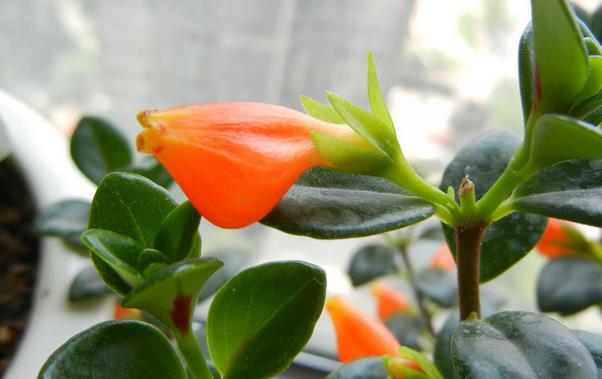
What are the care methods for the goldfish plant? When does the goldfish plant bloom?
Points to Note for the Goldfish Plant
The goldfish plant is sensitive to light and cannot be exposed to direct sunlight. In winter, when the sun is not strong, it can receive appropriate exposure. When the goldfish plant lacks water, it will also drop leaves or turn the leaves brown, affecting its appearance, so water it promptly. In summer and autumn when the climate is dry, spray water to increase the humidity around the plant; otherwise, excessive dryness may cause the leaf tips or edges to scorch. Do not fertilize during the goldfish plant's flowering period. After the flowers fade, prune and shape the plant.
When Does the Goldfish Plant Bloom?
Sometimes the flowering times that gardening enthusiasts see for the goldfish plant are theoretical. For example, according to theory, the goldfish plant should bloom around winter. However, based on the author's actual review of goldfish plant flowering times from enthusiasts across the country, they are completely different. Below are the flowering periods of goldfish plants in several enthusiasts' homes: blooming at the end of March, blooming from early April to May 13; blooming in June, blooming in October; blooming on December 29. From the above flowering periods, the flowering time of the goldfish plant varies depending on the region and environmental differences.
One: The potting soil should be loose and have good water permeability, so the goldfish plant will have a higher sprouting rate. My soil is garden soil + perlite + special soil for clivia.
Two: Regularly water it with diluted cake fertilizer water. Normally I just water with diluted cake fertilizer water. Sometimes I use leftover beer from my husband mixed with water to water the flowers and plants at home, and I also ask a friend who works at a hospital for leftover amino acid injection liquid, dilute it, and water the flowers with it.
Three: Regularly let it get some sun (note: the summer sun requires shading, do not expose it to blazing sun), because flowers and plants all need photosynthesis exposure to increase more pigments in the flowers and leaves, so the flowers bloom more brilliantly.
When Does the Goldfish Plant Bloom: Care Methods for Potted Goldfish Plant
China has tens of thousands of flower varieties, each with its own unique charm. Some are cute, some are delicate and charming. The goldfish plant is a cute flower; its blooms that look like goldfish are very petite and adorable, making people utterly fascinated. So, do you know when the goldfish plant blooms? What are the care methods for the goldfish plant? Today let us learn about the goldfish plant together.
Introduction to the Goldfish Plant
The goldfish plant is also called goldfish flower, hanging goldfish, kangaroo flower, etc. The goldfish plant is a perennial herbaceous plant of the genus Nematanthus in the family Gesneriaceae, with a semi-woody base. The goldfish plant's leaves are dark green, relatively thick and fleshy, with a small mouth and a big belly, and an orange-red exterior, very much like a little goldfish, hence the name goldfish plant.
The goldfish plant likes high temperatures, high humidity, and shaded environments. The suitable growing temperature for the goldfish plant is 18—22°C, and it dislikes low temperatures. Once the growing temperature of the goldfish plant falls below 10°C, the leaves will begin to turn yellow. In summer high temperatures, the goldfish plant grows very slowly, and above 30°C it will even drop leaves.
When Does the Goldfish Plant Bloom
The flowering period of the goldfish plant is in spring and summer, and the flowering period is relatively long. Whenever it blooms, the goldfish plant's orange-red exterior is very endearing, very much like many little goldfish hanging on the branch tips.
Care Methods for the Goldfish Plant
The goldfish plant can be propagated by seeding, cuttings, or division, but because the goldfish plant's seeds are not easy to obtain, the cutting method is generally used. The cutting method for the goldfish plant is suitable in spring and autumn. Select branches about 10 cm long and insert them into a river sand bed, maintaining a certain humidity and temperature. After about one month they will root. After rooting, care should be strengthened even more, and after about 2 months they can be potted.
Key Care Points for the Goldfish Plant
1. The soil needed by the goldfish plant must have good drainage, preferably slightly acidic soil. In high temperature and high humidity, it is prone to soft rot and death of stems and branches.
2. The goldfish plant needs sufficient sunlight in winter, but in other seasons it needs shading. During winter dormancy, the temperature should be controlled at 15°C.
3. When cultivated in a greenhouse, the goldfish plant is usually grown in a multi-holed pot with substrates such as sphagnum moss, fern roots, and bark chunks, to facilitate good root drainage and aeration.
4. In spring, summer, and autumn, the goldfish plant should be watered more, and the surrounding ground should often be sprayed with clean water. Never sprinkle water on the leaves. In summer high temperatures, it is best to place the pot in a shallow tray filled with water. These measures can all prevent leaf drop caused by dry air. Before the goldfish flower blooms in winter and spring, it should also be watered appropriately more, which can make the flowers open fully and the flower color fresh and beautiful.
5. Apart from needing relatively sufficient sunlight in winter, the goldfish plant needs more shading in the other seasons. In spring, summer, and autumn, 60%-70% of sunlight should be blocked, or it should be hung in an outdoor shade shed, or in a cool, ventilated spot under the shade of a large tree, receiving more scattered light and no direct sunlight. Such an environment is very suitable for its growth.
Before the goldfish plant blooms in winter, light should be appropriately increased, so that it can produce abundant and colorful flowers. When grown as a hanging basket at home, it can be placed in a bright, ventilated room and displayed and enjoyed year-round.
6. Do not fertilize the goldfish plant while it is blooming. After the flowers fade, prune and shape the plant, and apply more nitrogen-containing fertilizer. During the growing period, apply a diluted organic liquid fertilizer once every 1-2 weeks to make it grow vigorously. Before flowering, increase phosphorus fertilizer to make it produce more buds and blooms and enhance its ornamental effect.
Potted Care Methods for the Goldfish Plant
The goldfish plant is mostly grown in hanging baskets, but ordinary pots can also be used. Generally, it is best placed in a sunny spot, but when the midday sun is too strong, shade it appropriately and just keep the soil surface slightly moist.
Light: The goldfish plant is sensitive to light. If exposed to direct sunlight in summer and autumn, the leaves will wither and yellow, and the whole plant may even die. In winter, since the sunlight is not strong, the goldfish plant can be given some appropriate direct sunlight.
Temperature: The optimal growing temperature for the goldfish plant is 15—25°C. In Guangdong, the temperatures in spring, summer, and autumn are all suitable for the goldfish plant's growth, but if the winter temperature falls below 5—7°C, attention must be paid to cold protection and insulation.
Watering: The goldfish plant likes water. During the peak growing season, keep the potting soil completely moist. During winter dormancy, water again only after the top approximately 1 cm of potting soil has dried. If the soil is too dry, the leaf cluster will temporarily fade in color and only recover its original color after watering again, while the leaf tips may permanently turn brown, greatly reducing its ornamental value.
The goldfish plant also likes higher air humidity, so in summer and autumn when the climate is dry, measures such as spraying water should be used to increase the humidity around the plant; otherwise, the leaf tips or edges may also scorch.
Fertilizing: For goldfish plants that have begun to grow small plantlets, apply a nitrogen-based topdressing once every half month.
Soil: The goldfish plant is suitable for loose, fertile sandy loam.
Propagation: The goldfish plant is generally propagated by division or by cutting off young plantlets with aerial roots from the flower scape at any time and planting them directly.
1. Potting Key Points
Choosing the Pot and Soil
When cultivated in a greenhouse, the goldfish plant is usually grown in a multi-holed pot with substrates such as sphagnum moss, fern roots, and bark chunks, to facilitate good root drainage and aeration. In the home, to prevent water leakage when watering, use a round, attractive pot. Choose coarse-grained gravel with good drainage to line the bottom of the pot, then add a small amount of leaf mold mixed with perlite as the growing medium.
2. Planting Techniques
When planting, pay attention to the selection of flower branches and the planting position, which can increase the survival rate of the plant and enhance the ornamental effect of the flowers.
Select several goldfish flower branches with full, plump root systems, plant them evenly in the growing medium around the pot, and make them lean toward the pot rim, then fill with growing medium, and planting is complete. An appropriate amount of slow-release fertilizer can be added to the potting soil. When the new branches grow to a certain length, they will hang down along the rim of the pot. During the full bloom period, each flower branch will bear dozens of small orange-red goldfish flowers. Against the backdrop of green leaves, they look like goldfish leaping in blue waves, making one feel relaxed and happy.
When the new branches grow to a certain length, pinching can be done, which can make the spreading and trailing plant shape more symmetrical and beautiful.
3. Water and Fertilizer Requirements
The goldfish plant is a tropical plant and has relatively high water requirements. In spring, summer, and autumn, water it more, and often spray the surrounding ground with clean water. Never sprinkle water on the leaves. In summer high temperatures, it is best to place the pot in a shallow tray filled with water. These measures can all prevent leaf drop caused by dry air. Before the goldfish flower blooms in winter and spring, it should also be watered appropriately more, which can make the flowers open fully and the flower color fresh and beautiful.
During the growing period, apply a diluted organic liquid fertilizer once every 1-2 weeks to make the goldfish plant grow vigorously. Before flowering, increase phosphorus fertilizer to make it produce more buds and blooms and enhance its ornamental effect. Do not fertilize while blooming. After the flowers fade, prune and shape the plant, and apply more nitrogen-containing fertilizer.
4. Light and Ventilation
Apart from needing relatively sufficient sunlight in winter, the goldfish plant needs more shading in the other seasons. In spring, summer, and autumn, 60%-70% of sunlight should be blocked, or it should be hung in an outdoor shade shed, or in a cool, ventilated spot under the shade of a large tree, receiving more scattered light and no direct sunlight. Such an environment is very suitable for its growth. Before the goldfish plant blooms in winter, light should be appropriately increased, so that it can produce abundant and colorful flowers.
When Does the Goldfish Plant Bloom, Care Methods for the Goldfish Plant
When does the goldfish plant bloom? What are the care methods for the goldfish plant? Below,Bao Zhang Wangthe editor will introduce it to everyone, let's take a look together.
When Does the Goldfish Plant Bloom
The flowering period of the goldfish plant is usually in spring and summer, and the flowering time is long. Before it blooms in winter, it is best to give it appropriate sunlight exposure, and it can be placed on a balcony or by a window, which can make the flowers bloom more brilliantly and abundantly. Its seedlings do not bloom in the first year; only after two or three years can you see orange-red flowers emerging from the leaf axils at the tips of the trailing branches. When the flowers are in full bloom, the orange-red flowers are especially attractive. One flower after another hangs on the branches, paired with green leaves, as if little goldfish were playing among the water plants.
Care Methods for the Goldfish Plant
Propagation: There are cutting, division, and seeding methods. The first is generally used. In spring and autumn, cut top branches or stem sections about 10 cm long (with 3-4 leaves) from one-year-old growth as cuttings, insert them into a bed with coarse sand as the substrate, control the temperature at 20°C, keep humidity high, and after about 3-4 weeks they will root. After two months, pinch the tips and plant them in pots.
Soil: A potting soil rich in nutrients, loose, well-draining, and slightly acidic is needed. Equal parts of peat soil, perlite, and vermiculite can be mixed. For root ventilation and drainage, sphagnum moss, bark chunks, fern roots, etc. can also be placed in a multi-holed pot.
Light: It likes shade and does not need too long a period of light. In summer, nearly half shade is needed, with a small amount of scattered light; otherwise, leaf withering and leaf drop will occur. In autumn and winter, light can be appropriately increased to promote flower bud growth. Before flowering, sunlight exposure is needed, and it should be placed on a bright balcony or by a window.
Temperature: Try to keep the temperature at 18-25°C. In winter, above 10°C it can overwinter smoothly; below 10°C there will be problems of yellowing and drying leaves. At a room temperature of 5-7°C, cold protection measures are needed. In high temperature weather, plant growth will be inhibited, so take shading and cooling measures.
Watering: It likes moisture. Keep the soil moist and water thoroughly. During winter dormancy, watering can be appropriately reduced; when the soil surface dries to 1 cm deep, it can be watered. During the flowering period and growing period, sufficient water is needed. In summer, spraying water is also needed to increase the surrounding humidity.
Fertilizing: During the growing period, apply organic liquid fertilizer once every one to two weeks. Before flowering, apply phosphorus and potassium fertilizer to promote flowering, vigorous growth, and increase ornamental value. No fertilizing is needed while blooming. After the flowers fade, apply an appropriate amount of nitrogen-containing fertilizer.
The above is the editor's introduction to when the goldfish plant blooms and the care methods for the goldfish plant. We hope it can help everyone. To learn more related information, please stay tuned toChina Bao Zhang Wang. When does the goldfish plant bloom? What are the care methods for the goldfish plant? Below,Bao Zhang Wangthe editor will introduce it to everyone, let's take a look together.
When Does the Goldfish Plant Bloom
The flowering period of the goldfish plant is usually in spring and summer, and the flowering time is long. Before it blooms in winter, it is best to give it appropriate sunlight exposure, and it can be placed on a balcony or by a window, which can make the flowers bloom more brilliantly and abundantly. Its seedlings do not bloom in the first year; only after two or three years can you see orange-red flowers emerging from the leaf axils at the tips of the trailing branches. When the flowers are in full bloom, the orange-red flowers are especially attractive. One flower after another hangs on the branches, paired with green leaves, as if little goldfish were playing among the water plants.
Care Methods for the Goldfish Plant
Propagation: There are cutting, division, and seeding methods. The first is generally used. In spring and autumn, cut top branches or stem sections about 10 cm long (with 3-4 leaves) from one-year-old growth as cuttings, insert them into a bed with coarse sand as the substrate, control the temperature at 20°C, keep humidity high, and after about 3-4 weeks they will root. After two months, pinch the tips and plant them in pots.
Soil: A potting soil rich in nutrients, loose, well-draining, and slightly acidic is needed. Equal parts of peat soil, perlite, and vermiculite can be mixed. For root ventilation and drainage, sphagnum moss, bark chunks, fern roots, etc. can also be placed in a multi-holed pot.
Light: It likes shade and does not need too long a period of light. In summer, nearly half shade is needed, with a small amount of scattered light; otherwise, leaf withering and leaf drop will occur. In autumn and winter, light can be appropriately increased to promote flower bud growth. Before flowering, sunlight exposure is needed, and it should be placed on a bright balcony or by a window.
Temperature: Try to keep the temperature at 18-25°C. In winter, above 10°C it can overwinter smoothly; below 10°C there will be problems of yellowing and drying leaves. At a room temperature of 5-7°C, cold protection measures are needed. In high temperature weather, plant growth will be inhibited, so take shading and cooling measures.
Watering: It likes moisture. Keep the soil moist and water thoroughly. During winter dormancy, watering can be appropriately reduced; when the soil surface dries to 1 cm deep, it can be watered. During the flowering period and growing period, sufficient water is needed. In summer, spraying water is also needed to increase the surrounding humidity.
Fertilizing: During the growing period, apply organic liquid fertilizer once every one to two weeks. Before flowering, apply phosphorus and potassium fertilizer to promote flowering, vigorous growth, and increase ornamental value. No fertilizing is needed while blooming. After the flowers fade, apply an appropriate amount of nitrogen-containing fertilizer.
The above is the editor's introduction to when the goldfish plant blooms and the care methods for the goldfish plant. We hope it can help everyone. To learn more related information, please stay tuned toChina Bao Zhang Wang。