What to do about root rot in hydroponic hyacinths? Plus post-bloom care methods
Hyacinth flowers bloom in clusters, in a riot of colors, and look very lovely. Hyacinths are also one of the potted plants people love to grow, but the fact that hyacinth roots rot easily is the most troublesome thing for all of us. Today let's take a look at what to do about rot, and by the way, what is the most appropriate way to care for hyacinths after they bloom?
What to do about root rot in hydroponic hyacinths?
During hydroponic growing, plants often suffer root rot due to management and other reasons; for example, temperatures that are too low, fertilizer that is too concentrated, and diseases can all cause root rot, and root rot will degrade water quality and affect plant growth. To judge whether roots have rotted: first, smell the roots with your nose; if there is a foul odor, it proves the roots have rotted; second, smell the water; if the water has a foul odor, it means the root system may also have rotted and deteriorated; third, observe the appearance of the root system; if the roots have turned yellow and discolored, it means the root system has already been damaged. After the root system rots, gently pull at the base of the roots with your hand, and the outer skin will peel off very easily, leaving only the lignified part. If the water is not clean, or if it has been left for a long time and various bacteria have multiplied heavily, and if the condition is not serious, scrape the moldy area clean, apply sulfur powder to disinfect, change the water frequently, and maintain a well-ventilated environment with good light.
After root rot appears, prune it away promptly. Generally, root rot gradually spreads upward from the root tip. After pruning, keep cutting until you reach healthy roots. After changing the water, observe carefully; if root rot continues to appear, treat it promptly: you can add 1/1000 potassium permanganate to treat it, and it also has a bactericidal and algae-killing effect.
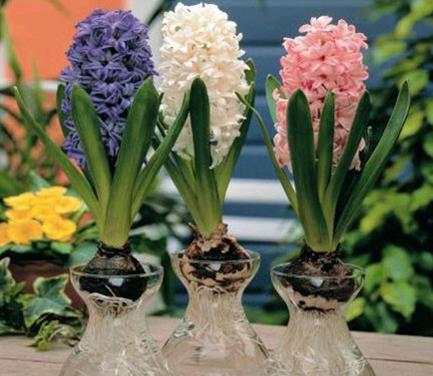
What to do about root rot in hydroponic hyacinths? What is the most appropriate way to care for hyacinths after they bloom?
What is the most appropriate way to care for hyacinths after they bloom?
Hyacinths are native to southern Europe. They are cold-tolerant and prefer well-drained, fertile loam and plenty of sunlight. They root in autumn, sprout new shoots in early spring, bloom from late March to early April, and the plants wither and go dormant in early June. After hyacinths bloom, if you do not plan to collect seeds, you should cut off the flower stems to promote bulb development, and the cut should be made as high on the flower stem as possible. In early June, the bulbs can be dug out, spread out, graded, and stored in a cold storage facility; the summer temperature should not exceed 28C.
1. Pot cultivation
Use loam, leaf mold, fine sand, etc. mixed together as nutrient soil. Generally, plant one bulb in a 10 cm diameter pot, and 2-3 bulbs in a 15 cm diameter pot. Then bury the pot in the soil, cover it with 10 cm-15 cm of soil, and after 7-8 weeks, when the shoots have grown to more than 10 cm, remove the covering soil so the plants get sunlight. Generally, plant in October-November, and they bloom in March.
2. Cultivation
Choose loose soil with good drainage and apply sufficient base fertilizer. The planting depth is 5-8 cm, and after planting, keep the soil moist. Apply fertilizer once before and once after flowering. After the plants wither in June, dig out the bulbs, dry them, and store them indoors at a temperature not exceeding 28°C.
3. Propagation
Bulb division is the main method of propagation. After the mother bulb is planted for 1 year, it produces 1-2 daughter bulbs, which can be used for propagation by division; daughter bulbs need 3 years to bloom. For seed propagation, sow in autumn; they do not germinate until February of the following year, and seedlings bloom after 4-5 years of cultivation.
Hydroponic Hyacinths: A Super Practical Complete Guide to Growing and Caring for Hydroponic Hyacinths (Illustrated)
Follow the Yanghua Daquan WeChat public account "yanghua98" to read more good articles like this
Lately many flower lovers have been planting hyacinths, and many of them are growing them hydroponically. Today the editor will teach everyone the planting and care techniques for hydroponic hyacinths. If you have more good care tips, you can message me privately!
1. Cut off the withered roots
After receiving the bulbs, first remove the dead roots from the bulbs; if you do not remove them, the root disc will absorb water and cause the bulb to rot. Whether you pull or cut them, you must not damage the root disc.
Many people are troubled about whether or not to remove the skin. The principle is to remove as little as possible. Wipe off any mold spots, and dry, withered skin can be torn off.
2. Use carbendazim to remove pathogens
Because the bulbs are in transit for a relatively long time, mold invasion is unavoidable. It is recommended that you first disinfect and sterilize the bulbs to prevent mold and rot.
Mix carbendazim at a 1:1000 ratio. In plain terms, that is one packet of carbendazim mixed with 1000 ml of water. Stir evenly with a stick; place the cleaned bulbs in the carbendazim solution and soak for about half an hour, then place the bulbs in a cool, ventilated place and let them dry for 24 hours. Note: when using carbendazim, please keep a portion in reserve, as mold may still appear later. This is normal. At that time, you can use a cotton cloth or cotton swab dipped in carbendazim solution to wipe the moldy areas.
3. Selection of hydroponic containers and precautions
Hydroponics is convenient and hygienic; just a cup is enough. The cup opening should not be too large, and it must be able to support the bulb. A professional hydroponic bottle is of course best, and a hydroponic basket is also fine.
About side shoots. Most plants reproduce by seeds, but hyacinths reproduce vegetatively, producing the next generation by bulb division. At this time of year, it is very normal for hyacinths to have side shoots (small bulbs). Personally, I suggest beginners can remove the side shoots and discard them completely, because given our domestic climate environment, it is almost impossible to cultivate a small hyacinth bulb to flowering size under natural conditions.
Hyacinths rot fairly easily, so when growing hydroponically, the water should not submerge the bulb. There must be a 5 mm gap between the bulb and the water surface.
4. Shading treatment during the rooting period
When the pot has just been planted, hyacinths need to be kept away from light, that is, place the bulb together with the vase in a dark place where it cannot get sunlight. You can use plastic bags, newspaper, etc. to wrap the transparent part of the bottle. It is recommended to shade for 15-20 days, keep the temperature at around 9-10 degrees, change the water once every 5 days, and after roots grow, change the water once every 7 days.
After roots have grown, add about 5 drops of nutrient solution each time you change the water to encourage healthier plant growth. Of course, it is fine not to add it; they will still grow very well.
5. Sun exposure during the leaf-growing period
After the shading period is over, hyacinths need plenty of sunlight to promote leaf growth. Otherwise, the plants are prone to leggy growth, and in severe cases they will not bloom.
During this period, the hyacinth roots have already grown very long, so each time you change the water, take special care not to damage the roots. When changing the water, you only need to lift the bulb slightly so there is a gap for the water to flow out, and that is enough. When adding water, do the same and slowly pour the water in through the gap.
6. Care during the growth and flowering period
From planting to flowering, hyacinths need about 50-60 days. Flowering requires plenty of light. When the flower buds have grown to 5-8 cm tall (about 8-12 weeks), you can place the vase in a warm environment, with the optimum temperature being 15-21 degrees.
After the hyacinth flower stalk grows taller and blooms, let it see less sunlight, so the flowering period will be somewhat longer. After flowering, if it keeps getting sunlight, it will accelerate the withering of the flowers and excessive consumption of nutrients.
After hyacinth flowers fade and the plant withers, you can cut off the roots, let them dry for two days, find a mesh bag to put them in, hang it on the balcony, and wait until autumn to plant them again.
Illustrated Complete Guide to Growing and Caring for Hydroponic Hyacinths
Lately many flower lovers have been planting hyacinths, and many of them are growing them hydroponically. Today the editor will teach everyone the planting and care techniques for hydroponic hyacinths. If you have more good care tips, you can message me privately!1. Cut off the withered rootsAfter receiving the bulbs, first remove the dead roots from the bulbs; if you do not remove them, the root disc will absorb water and cause the bulb to rot. Whether you pull or cut them, you must not damage the root disc.
Many people are troubled about whether or not to remove the skin. The principle is to remove as little as possible. Wipe off any mold spots, and dry, withered skin can be torn off.
2. Use carbendazim to remove pathogensBecause the bulbs are in transit for a relatively long time, mold invasion is unavoidable. It is recommended that you first disinfect and sterilize the bulbs to prevent mold and rot.
Mix carbendazim at a 1:1000 ratio. In plain terms, that is one packet of carbendazim mixed with 1000 ml of water. Stir evenly with a stick; place the cleaned bulbs in the carbendazim solution and soak for about half an hour, then place the bulbs in a cool, ventilated place and let them dry for 24 hours. Note: when using carbendazim, please keep a portion in reserve, as mold may still appear later. This is normal. At that time, you can use a cotton cloth or cotton swab dipped in carbendazim solution to wipe the moldy areas
3. Selection of hydroponic containers and precautions1. Hydroponics is convenient and hygienic; just a cup is enough. The cup opening should not be too large, and it must be able to support the bulb. A professional hydroponic bottle is of course best, and a hydroponic basket is also fine.
2. About side shoots. Most plants reproduce by seeds, but hyacinths reproduce vegetatively, producing the next generation by bulb division. At this time of year, it is very normal for hyacinths to have side shoots (small bulbs). Personally, I suggest beginners can remove the side shoots and discard them completely, because given our domestic climate environment, it is almost impossible to cultivate a small hyacinth bulb to flowering size under natural conditions.
3. Hyacinths rot fairly easily, so when growing hydroponically, the water should not submerge the bulb. There must be a 5 mm gap between the bulb and the water surface.
4. Shading treatment during the rooting periodWhen the pot has just been planted, hyacinths need to be kept away from light, that is, place the bulb together with the vase in a dark place where it cannot get sunlight. You can use plastic bags, newspaper, etc. to wrap the transparent part of the bottle. It is recommended to shade for 15-20 days, keep the temperature at around 9-10 degrees, change the water once every 5 days, and after roots grow, change the water once every 7 days.
After roots have grown, add about 5 drops of nutrient solution each time you change the water to encourage healthier plant growth. Of course, it is fine not to add it; they will still grow very well.
5. Sun exposure during the leaf-growing periodAfter the shading period is over, hyacinths need plenty of sunlight to promote leaf growth. Otherwise, the plants are prone to leggy growth, and in severe cases they will not bloom.
During this period, the hyacinth roots have already grown very long, so each time you change the water, take special care not to damage the roots. When changing the water, you only need to lift the bulb slightly so there is a gap for the water to flow out, and that is enough. When adding water, do the same and slowly pour the water in through the gap.
6. Care during the growth and flowering periodFrom planting to flowering, hyacinths need about 50-60 days. Flowering requires plenty of light. When the flower buds have grown to 5-8 cm tall (about 8-12 weeks), you can place the vase in a warm environment, with the optimum temperature being 15-21 degrees.
After the hyacinth flower stalk grows taller and blooms, let it see less sunlight, so the flowering period will be somewhat longer. After flowering, if it keeps getting sunlight, it will accelerate the withering of the flowers and excessive consumption of nutrients.
After hyacinth flowers fade and the plant withers, you can cut off the roots, let them dry for two days, find a mesh bag to put them in, hang it on the balcony, and wait until autumn to plant them again.