How to Grow Hydrangeas: Cultivation Methods and Precautions
Hydrangea is a common garden flower, with umbel-like flower clusters like snowballs, nestled among oval green leaves, very beautiful. The editor of Yiqizhuangxiu.com reminds you that when growing hydrangeas, you must first master certain relevant knowledge. Let's take a detailed look together with the editor of Yiqizhuangxiu.com.
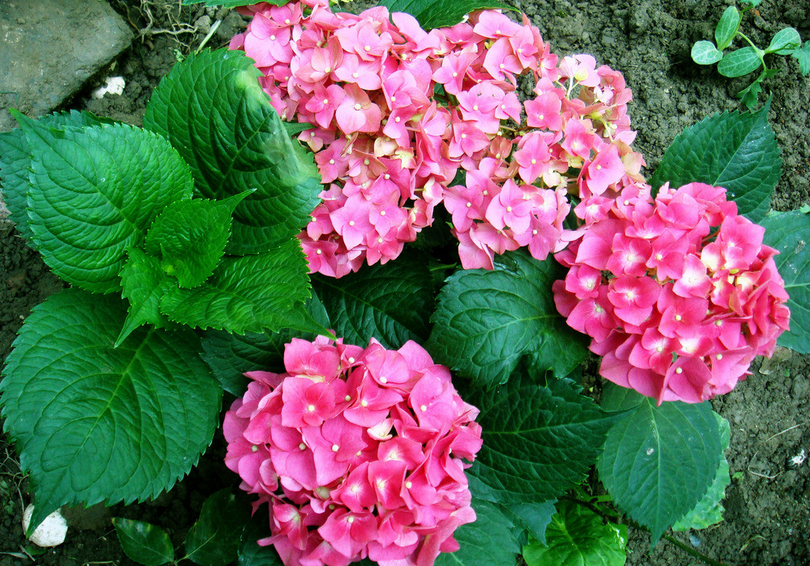
Hydrangea Cultivation Methods and Precautions
Hydrangea Cultivation Methods
1. Soil: For growing hydrangeas, loose, fertile, well-drained sandy loam is best. But changes in soil pH cause great changes in hydrangea flower color. To deepen the blue color, aluminum sulfate can be applied during the bud formation stage. To maintain pink, lime can be applied to the soil.
2. Sunlight: Hydrangea is a short-day plant, requiring more than 10 hours of darkness treatment per day, and about 45 to 50 days to form flower buds. During normal cultivation, avoid direct sunlight, with 60% to 70% shade being most ideal.
3. Temperature: Hydrangea likes a warm environment, with an optimal growth temperature of 18 to 28°C, and winter temperatures not lower than 5°C. A temperature of 20°C can promote flowering; after flowers appear, maintaining 16°C can extend the viewing period, but high temperatures make the flowers fade quickly.
4. Watering: Hydrangea has large leaves and lush branches and foliage, requiring a lot of water. During the growing seasons of spring, summer and autumn, water sufficiently to keep the potting soil consistently moist. In summer, when the weather is hot and water evaporation is high, not only should you water, but also spray water on the leaves every day. The roots of hydrangea are fleshy roots, so watering should not be excessive, and water accumulation in the pot should be avoided. After September, when the weather turns cool, gradually reduce the amount of watering.
5. Fertilizing: Hydrangea likes fertilizer. During the growing period, generally apply once every 15 days a diluted, decomposed cake fertilizer solution. To maintain soil acidity, 1%-3% ferrous sulfate can be added to the fertilizer solution. Regular application of alum fertilizer water can make the plant's branches lush and leaves green. Applying 1-2 additional doses of monopotassium phosphate during the bud stage can make flowers larger and more colorful. Applying cake fertilizer should avoid the dog days to prevent pests, diseases and root damage.
6. Pests: Hydrangea mainly suffers from wilt disease, powdery mildew and leaf spot disease, which can be prevented and controlled by spraying with 65% zineb wettable powder at 600 times dilution. Pests include aphids and mirid bugs, which can be killed by spraying with 40% omethoate emulsifiable concentrate at 1500 times dilution.
7. Pruning: Hydrangea grows vigorously. To make potted hydrangeas have a beautiful canopy and bloom more, the plant should be pruned. Generally, after the seedlings survive and grow to 10-15 cm tall, pinch off the growing tips to allow the lower axillary buds to sprout.
Precautions for Growing Hydrangeas
Fertilizer application: The flowering period of hydrangea is June to July. During the flowering period, fertilizer and water should be sufficient, with fertilization once every half month.
Watering key points: The potting soil for growing hydrangeas should be kept moist, but watering should not be excessive. Especially during the rainy season, pay attention to drainage to prevent waterlogging from causing root rot. In winter, indoor potted plants are better kept slightly dry. If too moist, the leaves are prone to rotting.
Pruning essentials: After hydrangea blooms, pay attention to removing the flower stems to encourage new branches. Proper pruning can maintain a beautiful plant shape.
Repotting: For potted hydrangeas, generally repot and change the soil once a year. Repotting and soil changing is best done in early March. When repotting, prune the plant's root system, cutting off decayed roots, rotten roots and overly long fibrous roots. After moving the plant to a new pot, press the soil firmly, water thoroughly, place in a shaded area for about 10 days, then move outdoors for normal care.
Propagation essentials: Hydrangea is commonly propagated by cuttings, division and layering, which can be done during the plum rain season in early spring.
Hydrangea Cultivation Methods and Precautions
Hydrangea is native to Japan and the Sichuan area of China, growing beside valley streams or in sparse forests on mountaintops. In Asia, hydrangeas are mainly abundant in Japan. In garden shops there are many varieties of hydrangeas, and you can see many new varieties with unusual flower colors, which are expensive and generally kept as potted plants for home viewing. Today let's briefly introduce the cultivation methods and precautions for hydrangeas.
Hydrangea Cultivation Methods - Soil Requirements:
For growing hydrangeas, loose, fertile, well-drained sandy loam is best. But flower color is affected by soil pH: acidic soil produces blue flowers, alkaline soil produces red flowers.
Light Conditions:
Hydrangea is a short-day plant. During normal cultivation, avoid direct sunlight, with 60% to 70% shade being most ideal. When sunlight is too strong in midsummer, appropriate shading can extend the viewing period.
Temperature Conditions:
The growth temperature of hydrangea is 18—28°C, and winter temperatures should not be lower than 5°C. Flower bud differentiation requires 6—8 weeks at 5—7°C. A temperature of 20°C can promote flowering; after flowers appear, maintaining 16°C can extend the viewing period.
Watering Methods:
The potting soil for growing hydrangeas should be kept moist, but watering should not be excessive. Especially during the rainy season, pay attention to drainage to prevent waterlogging from causing root rot. In winter, indoor potted plants are better kept slightly dry; if too moist, the leaves are prone to rotting.
Care and Management:
The flowering period of hydrangea is June—July. During the flowering period, fertilizer and water should be sufficient, with fertilization once every half month. After hydrangea blooms, pay attention to removing the flower stems to encourage new branches. Proper pruning can maintain a beautiful plant shape.
Pest and Disease Prevention:
Hydrangea mainly suffers from wilt disease, powdery mildew and leaf spot disease. Spray with 65% zineb wettable powder at 600 times dilution for prevention and control. Pests include aphids and mirid bugs, which can be killed by spraying with 40% omethoate emulsifiable concentrate at 1500 times dilution.
Precautions for Growing Hydrangeas
Hydrangea likes acidic soil and does not tolerate barren or saline-alkaline soil. It grows poorly in alkaline soil, with yellowing branches and leaves. It is suited to loose, fertile, humus-rich acidic soil. Its flower color, affected by pH, can change from white to red, and from red to cyan-blue.
During the annual growth period, hydrangea can generally be pinched back 2 times to promote branching. After hydrangea blooms, keep 1—2 nodes of the old branches and cut them short to control plant height and encourage new branches. After autumn, cut off the tops of new shoots to stop branch growth, which helps overwintering.
Complete Guide to Home Hydrangea Cultivation Methods and Precautions
Hydrangea is a very common plant flower in our daily life. Because its flower shape is like a round ball, it is called hydrangea. It looks very cute and gorgeous, so many people like it very much. If you like it, you want to have it, so many people want to grow some hydrangeas at home, and are therefore very curious about the cultivation methods and precautions for hydrangeas. So how do you grow hydrangeas, and what are the cultivation methods and precautions for hydrangeas?
More HomePlantsCultivation Coreopsis Cultivation Methods Zinnia Cultivation Methods Moss Rose Cultivation Methods
Hydrangea Profile
Hydrangea, also called eight or powder-ball flower, is a flower with an umbel-shaped flower type. Seen from a distance, it looks like a round ball clustered together, so it is called hydrangea. It is a shrub plant of the genus Hydrangea in the family Saxifragaceae. Its clear height is about 1 to 4 m, and its flowering period is concentrated in the summer months of June to August. The plant flowers are corymbose cymes, with rich flower colors. Common ones include pink, light blue, white and red, etc. They look very gorgeous and cute, with high ornamental value, and are deeply loved by people.
Hydrangea Cultivation Methods
1. Soil: Hydrangea flower color is affected by soil pH, so planting requires choosing loose, breathable, fertile sandy loam. If you want the flower color to be blue, you can choose acidic soil; for red flowers, choose alkaline soil.
2. Temperature:Hydrangea is not cold-tolerant. Its optimal growth temperature is about 18 to 28°C, and the winter cultivation temperature should not be lower than 5°C. At the same time, hydrangea will bloom in an environment of about 20°C, while during flower bud differentiation the plant needs to maintain a temperature of 5 to 7°C.
3. Light: Hydrangea is a typical short-day plant. In midsummer, appropriate shading is needed, and shading of 60% to 70% is most suitable. At the same time, when growing in sunlight, avoid direct sunlight.
4. Watering: Hydrangea does not have a high demand for water. For daily cultivation, just keep the potting soil moist, with a moderate amount of watering and not too much.
5. Fertilizing: Normally hydrangea does not need much fertilizer. During the flowering period, more fertilizer is needed to maintain sufficient fertilizer and water. Especially during the period from June to July, fertilizer is needed once every half month.
Precautions for Growing Hydrangeas
1. Pruning and shaping:Hydrangea has large flowers and beautiful colors and has always been one of the very famous ornamental plants. Therefore, during daily cultivation, always pay attention to the plant's shape, and carry out appropriate pruning and shaping when necessary. Especially when the plant grows to about 10 to 15 cm tall, pinching treatment is needed. After the plant blooms, the old branches need to be cut short, and the flower stems removed, thereby promoting the plant to grow new branches and maintaining a beautiful plant shape.
2. Pest and disease control: Hydrangea does not have many common pests and diseases, mainly wilt disease, powdery mildew and leaf spot disease, these three. When encountering disease, spray with 65% zineb wettable powder at 600 times dilution for prevention and control. If aphids or mirid bugs appear during cultivation, spraying the plant with 40% omethoate emulsifiable concentrate at 1500 times dilution can also treat it well.
3. Soil changing and repotting: Hydrangea generally needs soil changing and repotting once every other year, so as to better promote plant growth. The best time for repotting is early spring in the first ten days of March. The new soil for changing can be purchased from the market, or mixed and prepared with 4 parts leaf mold and garden soil and 2 parts sand. To maintain soil fertility, an appropriate amount of decomposed cake fertilizer can also be added as base fertilizer.
Summary: The difficulty of growing hydrangeas is not very high, so even growing them at home is a very simple matter. As long as the correct cultivation methods are adopted and the cultivation precautions are done well, hydrangeas will always be grown very well.