How to Grow Mimosa pudica? A Detailed Guide to Care Methods
Many people want to grow Mimosa pudica themselves but don't know how to go about it. The editors at Yiqi Zhuangxiu Wang remind you that when growing Mimosa pudica, you must first master some relevant knowledge. Below, let the editors at Yiqi Zhuangxiu Wang walk you through the care methods for Mimosa pudica in detail.
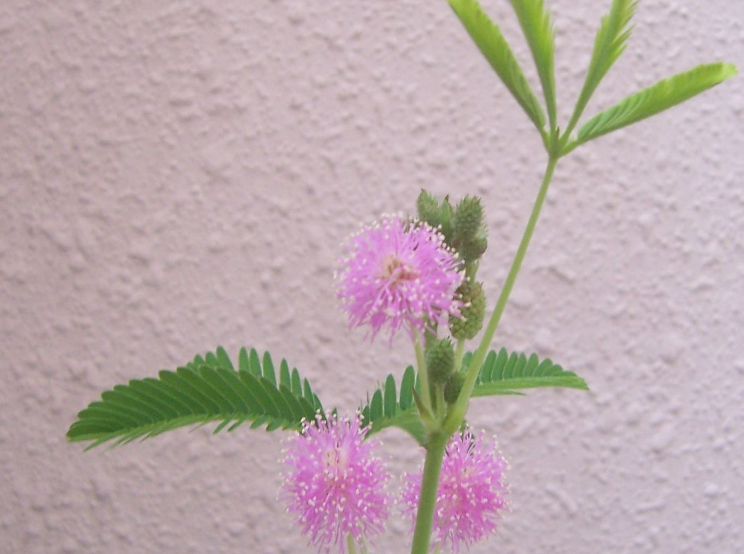
How to Grow Mimosa pudica: Care Methods for Mimosa pudica
How to Grow Mimosa pudica
1. Choose a suitable spot for planting; growing it as an indoor potted plant is the better approach.
Mimosa pudica is a taproot plant with very few fibrous roots, so it is suited to growing from seed, and it is best to sow it directly where it will grow to avoid damaging the roots during transplanting; if transplanting is unavoidable, it should be done at the seedling stage, otherwise it will struggle to survive. As an annual, Mimosa pudica is generally sown indoors in early spring. You can sow directly in a small pot. You can also raise seedlings in a shallow pot and then divide and transplant them. For the sowing soil, mix 2 parts leaf mold, 3 parts garden soil, and 5 parts fine yellow sand after sifting. When sowing, first fill the pot with an appropriate amount of growing medium, level and firm it, water thoroughly with a watering can, and sow immediately once the water has fully drained through. For direct sowing in a small pot, sow 1 to 2 seeds per pot. If raising seedlings in a shallow pot, sow in spots at a spacing of 2 cm x 2 cm. After sowing, cover with 3 to 5 cm of soil, just enough to cover the seeds. Cover the pot with glass or plastic wrap to retain moisture, and place the pot in a spot with bright, indirect light at around 20°C. From then on, when the potting soil dries out, water by the soak method. After about 7 to 10 days, the seeds germinate and seedlings emerge. Once the seedlings emerge, remove the cover from the pot and let them gradually receive sunlight. When the seedlings reach 3 cm tall, those sown in the shallow pot can be divided and transplanted. When dividing seedlings, transplant them with the soil around their roots, otherwise they will struggle to survive. After watering the newly potted seedlings thoroughly, first place them in a semi-shaded spot, and once they have recovered, move them to a spot with plenty of sunlight. Those sown directly in small pots can be placed straight in a spot with plenty of sunlight to grow. In mid-April or early May, the seedling pots can be moved outdoors to grow, and water promptly to keep the potting soil consistently moist. When the seedlings have 4 leaves, start applying liquid fertilizer; generally, apply a dilute decomposed liquid fertilizer once every 7-10 days. Once the plants have grown larger, they can be repotted once more, but the pot should not be too large; generally, planting them out into a medium-sized 15-20 cm flower pot is sufficient. When collecting seeds, choose robust mother plants, step up care, and during the fruiting period harvest as they ripen, because the seed pods split open on their own when mature. Field management: for field planting, space plants 25-30 cm apart, and loosen the soil, hoe weeds, and water promptly.
2. Helping Mimosa pudica Grow
Grow it by sowing seeds; you can sow in both spring and autumn. Before sowing, soak the seeds in 35°C warm water for 24 hours, sow them in holes in a shallow pot, cover with 1-2 cm of soil, water by the soak method to keep them moist, and under 15-20°C conditions they emerge after 7-10 days; when the seedlings are 5 cm tall, pot them up. When collecting seeds, choose robust mother plants, step up care, and during the fruiting period harvest as they ripen, because the seed pods split open on their own when mature.
3. Caring for Mimosa pudica Is Very Simple
There are no special requirements for care and management. It can be grown in ordinary soil, and it does not need much fertilizer during the growing season; applying dilute liquid fertilizer 2-3 times is enough. Fertilizer should not be excessive; it is enough for the leaves to be green and the growth robust, and you should avoid leggy growth, because Mimosa pudica is mainly a novelty foliage plant and is best kept small. Mimosa pudica is simple to grow and easy to manage. It is not demanding about climate, sunlight, or soil, but fertile, loose sandy loam is best, and it likes a warm, humid environment.
4. Pests and Diseases
It is worth noting that Mimosa pudica basically has no pests or diseases. If slugs appear, you can control them in the morning with fresh lime powder.
How to Care for Mimosa pudica: How to Grow Mimosa pudica, Care Methods for Mimosa pudica
Nowadays people's interest in growing plants and animals is growing stronger and stronger. Using plants you have grown yourself to decorate your cozy, lovely home lets us both enjoy the fun of growing and achieve a decorative effect, killing two birds with one stone, so why not? Below, let the editors take everyone to see how Mimosa pudica should be grown!
Growing Method: Potted
When you touch the leaves of Mimosa pudica, they slowly close, which is very unusual. And its flowers are like little fuzzy pink balls, especially cute. Because of its habits, Mimosa pudica is a small plant suited to growing in pots.
Watering:
Since Mimosa pudica is originally a tropical plant and very fond of humid environments, we should keep the potting soil moist at all times. In summer, water according to the condition of the potting soil, roughly once a day, and never let the soil dry out. You can also mist the plant frequently. In winter, reduce watering to prevent frost damage.
Fertilizing:
Mimosa pudica is not demanding about soil; ordinary soil will do. But if you want Mimosa pudica to grow better, you can choose soil that is fairly loose and fertile, or use a mix of leaf mold and sandy soil, or you can use only leaf mold, and humus soil is also a good choice.
Sunlight:
Mimosa pudica likes sunlight; placing it in a sunny spot is very good for its growth. If it gets too little sunlight, that instead works against its growth.
Points to Note:
1. Prevent frost damage. Mimosa pudica is suited to growing in a warm environment, with a suitable temperature between 20-28 degrees. If the temperature is too low, it will hinder its growth. Because winter temperatures are too low, water less to avoid frost damage to the roots and stems, and water around the time of day when the temperature is highest. If the temperature is below 10 degrees, it is best to give it some protective measures.
2. Prevent pests and diseases. Mimosa pudica generally rarely has pests or diseases, and the most common pest is the slug. If you find pests, you can sprinkle some lime powder to deal with them.
3. When fertilizing, fertilize according to your own situation, and Mimosa pudica can be fertilized about once a month. If you think the potted Mimosa pudica grows too large to look good, you can give up fertilizing Mimosa pudica.
Summary:The above is the editors' introduction to growing Mimosa pudica. If you still need more, you can search online for other related information so that you can grow Mimosa pudica better. Here the editors wish everyone happy growing and a joyful life.
More Information:
|What Does a White Rose Mean|What Plants Protect Against Computer Radiation|Geranium|How to Grow Azaleas and Points to Note|Chlorophytum comosum 'Variegatum'|
|Lavender Blooming Season|Indoor Foliage Plants|Boston Ivy|How to Fold a Lily|The Benefits and Effects of Mint|Care Methods for Mimosa pudica|
|How to Grow Succulents|Osmanthus|The Benefits and Effects of Gynostemma pentaphyllum|Handmade Roses|The Benefits and Effects of Honeysuckle|Kumquat|
How to Grow Mimosa pudica, Care Methods for Mimosa pudica
Nowadays people's interest in growing plants and animals is growing stronger and stronger. Using plants you have grown yourself to decorate your cozy, lovely home lets us both enjoy the fun of growing and achieve a decorative effect, killing two birds with one stone, so why not? Below, let the editors take everyone to see how Mimosa pudica should be grown!
Growing Method: Potted
When you touch the leaves of Mimosa pudica, they slowly close, which is very unusual. And its flowers are like little fuzzy pink balls, especially cute. Because of its habits, Mimosa pudica is a small plant suited to growing in pots.
Watering:
Since Mimosa pudica is originally a tropical plant and very fond of humid environments, we should keep the potting soil moist at all times. In summer, water according to the condition of the potting soil, roughly once a day, and never let the soil dry out. You can also mist the plant frequently. In winter, reduce watering to prevent frost damage.
Fertilizing:
Mimosa pudica is not demanding about soil; ordinary soil will do. But if you want Mimosa pudica to grow better, you can choose soil that is fairly loose and fertile, or use a mix of leaf mold and sandy soil, or you can use only leaf mold, and humus soil is also a good choice.
Sunlight:
Mimosa pudica likes sunlight; placing it in a sunny spot is very good for its growth. If it gets too little sunlight, that instead works against its growth.
Points to Note:
1. Prevent frost damage. Mimosa pudica is suited to growing in a warm environment, with a suitable temperature between 20-28 degrees. If the temperature is too low, it will hinder its growth. Because winter temperatures are too low, water less to avoid frost damage to the roots and stems, and water around the time of day when the temperature is highest. If the temperature is below 10 degrees, it is best to give it some protective measures.
2. Prevent pests and diseases. Mimosa pudica generally rarely has pests or diseases, and the most common pest is the slug. If you find pests, you can sprinkle some lime powder to deal with them.
3. When fertilizing, fertilize according to your own situation, and Mimosa pudica can be fertilized about once a month. If you think the potted Mimosa pudica grows too large to look good, you can give up fertilizing Mimosa pudica.
Summary:The above is the editors' introduction to growing Mimosa pudica. If you still need more, you can search online for other related information so that you can grow Mimosa pudica better. Here the editors wish everyone happy growing and a joyful life.