How to grow rosemary? Keep this complete growing guide handy
Rosemary is a shrub in the Lamiaceae family. Its unique fragrance can inspire an uplifting spirit, and many people like to grow it. So when growing rosemary, what exactly should you do? Are there any methods and precautions? Below, let's take a detailed look with the editor of Yiqizhuangxiu.com.
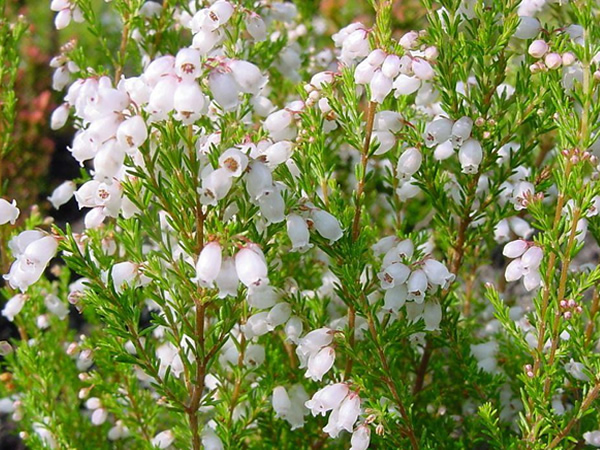
How to grow rosemary: complete guide to rosemary growing methods
I. How to grow rosemary
Rosemary likes warm climates, but in the flatlands of Taiwan, China, growth is slow during high-temperature periods. Temperatures in winter without cold waves are more suitable for its growth. As for water supply, since rosemary leaves are leathery, it is relatively drought-tolerant. Therefore, soil rich in sand and with good drainage is more conducive to its growth and development. It is worth noting that rosemary grows slowly, which also means its regenerative capacity is not strong, so extra care must be taken when pruning and harvesting.
When rosemary is propagated by seed, germination is slow and the germination rate is low. According to literature records, if the germination temperature is between 20°C and 24°C, the germination rate is below 30%, and the germination time is as long as 3-4 weeks. However, if germinated first at 20°C to 24°C for 1 week and then treated at 4.4°C (40°F) for 4 weeks, the germination rate can increase to 70%.
II. Rosemary growing methods
1. Propagation: Rosemary is commonly propagated by seed, cuttings, and layering. Seed propagation is generally carried out for seedling raising in a greenhouse in early spring. The paper towel germination method can be used, and soil seedling raising or plug tray seedling raising are both acceptable. Cutting propagation is mostly carried out from winter to early spring, selecting fresh, healthy stems that have not yet fully lignified as cuttings. Layering propagation makes use of the characteristic that rosemary stems can produce adventitious roots. Bend a branch near the ground of the plant, cover it with soil, and leave the top exposed to the air. After new roots grow, cut it from the mother plant to form a new individual, then plant it out in the open field.
2. Planting out: To ensure that rosemary can be high-quality and high-yielding, it is best to choose sunny acidic sandy loam soil for planting out. Before planting out, remember to apply sufficient fully decomposed organic fertilizer to ensure the nutrients needed for rosemary growth.
3. Management: After planting out, the most important thing for rosemary is management. At this time, water promptly and carry out intertillage and weeding to prevent overgrowth of weeds from affecting rosemary growth. To stimulate rosemary to branch more and increase yield, pinch out the growing tips appropriately during cultivation. Rosemary grows relatively slowly, so it does not consume much fertilizer. During cultivation, applying a compound fertilizer once every 3 months is sufficient.
4. Harvesting: People often use rosemary branches and leaves, and timely harvesting of rosemary branches and leaves is very important. The interval between harvests should depend on the growing season: harvest densely in peak season and sparsely in off-season. Generally, when the main stem of rosemary is 20-30 cm tall, the tender tips can be harvested for eating; in southern regions, harvesting is usually possible all year round, while in the north, protected cultivation can also achieve year-round supply.
5. Pest and disease prevention: When growing rosemary, pay attention to frequent ventilation, keep it cool, ensure sufficient light, and provide appropriate water and fertilizer. Avoid high-temperature and high-humidity climates and environments. Pests and diseases most easily occur in hidden places without ventilation and where sunlight cannot reach. Usually pay attention to pruning, cut off excessive and aged dead branches and leaves, and pick up dead branches and leaves on the surface of the potting soil at any time, so as to avoid attracting pests and diseases and affecting rosemary growth.
Rosemary likes places with abundant sunlight, so do not place it in a dark corner when growing it. The above is the content explained by the editor about rosemary growing methods. I believe everyone has gained some understanding. I hope this article can help you. You can also log in to Yiqizhuangxiu.com to view and subscribe to more related content and information.
How to grow rosemary: complete guide to rosemary growing methods
Jay Chou's song "Rosemary" has intoxicated so many people, but today Xiao Qi is not introducing the song rosemary, but the plant rosemary. Rosemary is a shrub in the Lamiaceae family. Its unique fragrance can inspire an uplifting spirit, and many people like to grow it. So what are the methods for growing rosemary? Let's learn about them together.
Rosemary pictures
I. How to grow rosemary
Rosemary likes warm climates, but in the flatlands of Taiwan, China, growth is slow during high-temperature periods. Temperatures in winter without cold waves are more suitable for its growth. As for water supply, since rosemary leaves are leathery, it is relatively drought-tolerant. Therefore, soil rich in sand and with good drainage is more conducive to its growth and development. It is worth noting that rosemary grows slowly, which also means its regenerative capacity is not strong, so extra care must be taken when pruning and harvesting.
When rosemary is propagated by seed, germination is slow and the germination rate is low. According to literature records, if the germination temperature is between 20°C and 24°C, the germination rate is below 30%, and the germination time is as long as 3-4 weeks. However, if germinated first at 20°C to 24°C for 1 week and then treated at 4.4°C (40°F) for 4 weeks, the germination rate can increase to 70%.
II. Rosemary growing methods
1. Propagation: Rosemary is commonly propagated by seed, cuttings, and layering. Seed propagation is generally carried out for seedling raising in a greenhouse in early spring. The paper towel germination method can be used, and soil seedling raising or plug tray seedling raising are both acceptable. Cutting propagation is mostly carried out from winter to early spring, selecting fresh, healthy stems that have not yet fully lignified as cuttings. Layering propagation makes use of the characteristic that rosemary stems can produce adventitious roots. Bend a branch near the ground of the plant, cover it with soil, and leave the top exposed to the air. After new roots grow, cut it from the mother plant to form a new individual, then plant it out in the open field.
2. Planting out: To ensure that rosemary can be high-quality and high-yielding, it is best to choose sunny acidic sandy loam soil for planting out. Before planting out, remember to apply sufficient fully decomposed organic fertilizer to ensure the nutrients needed for rosemary growth.
3. Management: After planting out, the most important thing for rosemary is management. At this time, water promptly and carry out intertillage and weeding to prevent overgrowth of weeds from affecting rosemary growth. To stimulate rosemary to branch more and increase yield, pinch out the growing tips appropriately during cultivation. Rosemary grows relatively slowly, so it does not consume much fertilizer. During cultivation, applying a compound fertilizer once every 3 months is sufficient.
4. Harvesting: People often use rosemary branches and leaves, and timely harvesting of rosemary branches and leaves is very important. The interval between harvests should depend on the growing season: harvest densely in peak season and sparsely in off-season. Generally, when the main stem of rosemary is 20-30 cm tall, the tender tips can be harvested for eating; in southern regions, harvesting is usually possible all year round, while in the north, protected cultivation can also achieve year-round supply.
5. Pest and disease prevention: When growing rosemary, pay attention to frequent ventilation, keep it cool, ensure sufficient light, and provide appropriate water and fertilizer. Avoid high-temperature and high-humidity climates and environments. Pests and diseases most easily occur in hidden places without ventilation and where sunlight cannot reach. Usually pay attention to pruning, cut off excessive and aged dead branches and leaves, and pick up dead branches and leaves on the surface of the potting soil at any time, so as to avoid attracting pests and diseases and affecting rosemary growth.
Rosemary pictures
The above ishow to grow rosemaryandrosemary growing methodsintroduced. Rosemary likes places with abundant sunlight, so do not place it in a dark corner when growing it.
How to sow rosemary? How to grow rosemary seeds: introduction to rosemary growing methods
Rosemary is also known as Dew of the sea, Rose of Saint Mary, herb of nobility, rosemary, oil of Anthos, sea lighthouse, and so on. It is a perennial evergreen small shrub native to regions along the Mediterranean coast such as Spain and Portugal. When it comes to how to grow rosemary seeds, many flower lovers probably get a headache, because the germination rate of rosemary seeds is too low, and most flower lovers fail at sowing. In fact, the reason rosemary germination is not high is not only that the seeds themselves have a low germination rate, but seed freshness is also a problem. If old rosemary seeds are bought, a low germination rate is unavoidable.
In the current domestic situation, it is difficult to buy fresh rosemary seeds, and rosemary seeds have a low germination rate and grow slowly, so it is suggested that if flower lovers want to grow rosemary, they had best directly buy seedlings, or share cuttings with flower lovers on major forums for cutting propagation, which can better achieve the goal of growing rosemary.
Next, let's talk about rosemary sowing methods. Rosemary can generally use the paper towel germination method, and seedling raising is generally carried out in a greenhouse in early spring. Soil seedling raising and plug tray seedling raising are both acceptable. For soil seedling raising, the seedbed must first be prepared. The seedbed can be flat beds or small raised beds. The bed soil should be broken up and leveled, sufficient fermented base fertilizer should be applied, and enough bottom water should be watered. Broadcasting or drilling is acceptable. But sow the seeds as thinly as possible, or mix them evenly with fine dry soil, sow them on the seedbed, and water lightly so that the seeds make full contact with the soil. The seeds have a light requirement, so sow the seeds directly on the medium without covering. Build a small arch shed over the bed surface, which both maintains ground temperature and keeps the soil surface from easily crusting. The seeds develop relying on the bottom water of the seedbed, but the soil surface must always be kept moist. After the sprouts emerge from the soil, water again, following the principle of frequent light irrigation.
The suitable temperature for seed germination is 15-20°C. Germination takes about 2-3 weeks. When the seedlings grow to about 10 cm, about 70 days, they can be planted out. For plug tray seedling raising, mix peat and vermiculite in a 3:1 ratio, and then sow. Cover with a thin layer of vermiculite and water thoroughly once. Build a small arch shed on top, and subsequent management is the same as soil seedling raising. The difference is that after rosemary emerges, the plug trays must be moved frequently to prevent roots from growing down through the holes below the plug tray into the ground and being damaged at planting out. If the plug trays are placed on shelves, this is unnecessary. The germination rate of rosemary is very low, generally only 10%-20%, and in the first year, rosemary grows extremely slowly. Even by autumn, the plant size is not much larger than when it was just planted out. Forming large-scale yield takes 2-3 years, which is very slow. Therefore, production generally uses asexual propagation. However, those started from seed have a more fragrant scent, so which propagation method to use depends on the need.
Summary: The above is knowledge about how to sow rosemary. I hope it is helpful to everyone.