Indoor Potted Cultivation of the Peace Tree: Points to Note
Indoor potted plants are commonly used in home decoration, and the peace tree (Cinnamomum kotoense) is also a choice for many people. So what should be noted when cultivating a potted peace tree? Follow the official WeChat public account "wx17house" and join the editor at Yiqizhuangxiu.com as we explore indoor potted cultivation and points to note in cultivating a potted peace tree. We hope today's content will be of some help to you.
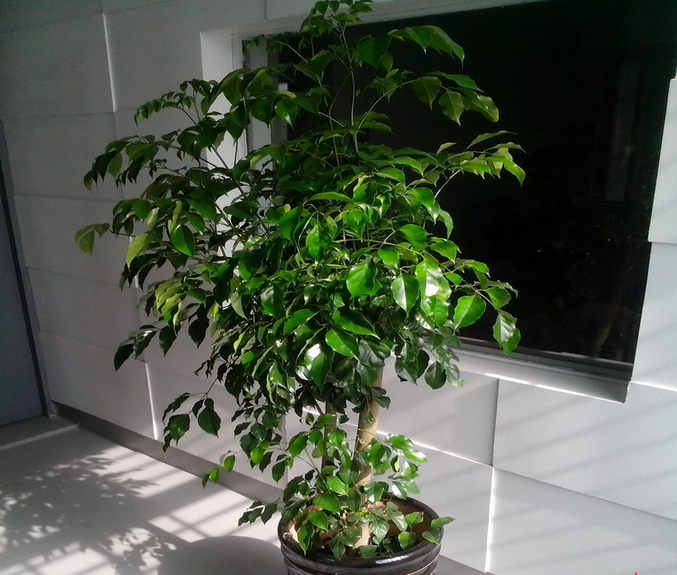
Indoor Potted Cultivation: Points to Note in Cultivating a Potted Peace Tree
Points to Note in Cultivating a Potted Peace Tree
Moderate light: The peace tree not only likes sunlight but is also quite shade-tolerant. However, it must not be placed in direct blazing sunlight. Especially in summer, when placed in the sun it needs some shading, and shading about 50 percent of its area is ideal; otherwise the sunlight may scorch the leaf surface. In winter, it can be exposed directly to sunlight without any shading.
Suitable temperature: The peace tree likes warmth and heat and cannot tolerate cold. It grows best at temperatures of 20°C to 30°C. In winter, it is best to move it indoors so that its growing environment does not drop below 5°C. In summer, when high temperatures exceed 30°C, some protection is also needed; you can spray water on the leaf surface to lower the temperature.
Correct watering: The peace tree likes a moist environment and cannot tolerate drought. Its potting soil should be kept relatively moist. In dry weather, spray water on the leaves. In summer, the leaves should be sprayed once a day, and the indoor relative air humidity should be maintained, ideally at 60 percent or above. When watering, water once first, then water again after half an hour; this can avoid the occurrence of half-watering. The number of waterings depends on the season; water when the surface soil looks a little dry.
Soil and flowerpot: The peace tree grows best in loose, breathable, fertile, acidic leaf mold or potting soil rich in organic matter. The soil needs to be loosened once a month, and the potting soil should be replaced once every two years. The bottom of the flowerpot must be breathable, and it should not be too small, because the peace tree grows quickly and a pot that is too small will hinder its growth.
Fertilizing and pest prevention: Fertilize once a month except in winter; fertilizing in winter may damage the roots and stems. The peace tree can develop anthracnose, which turns the leaf surface, leaf tips and leaf margins brown. When found, besides promptly removing the diseased leaves, also apply additional phosphorus and potassium fertilizer to improve the plant's resistance to pests and diseases. In addition, aphids and leaf-roller insects can also endanger the growth of the peace tree and should be killed promptly when found.
During plum rain weather, prevent water from accumulating in the pot, otherwise it may damage the roots and stems.
Cultivation Methods and Points to Note for an Indoor Potted Peace Tree
The peace tree is an elegant name for Cinnamomum kotoense. It can give off a fragrance that corrects odors and purifies the air. People in the flower planting and flower business gave it an auspicious name, "peace tree." The peace tree symbolizes good fortune, peace and contentment, and a happy life. Below, the editor will introduce in detail the cultivation methods and points to note for the peace tree.
Cultivation Methods for the Peace Tree
1. Temperature. The suitable growth temperature for the peace tree is 20°C to 30°C. Young trees cannot tolerate low temperatures. If they encounter more than 5 days of frost, plants maintained or cultivated in the open field are prone to bark frost cracks, withered branches and leaves, and may even die completely from freezing. Whether it is a small number of plants potted at home or large-scale commercial cultivation, in winter the greenhouse temperature should be maintained at no lower than 5°C so that the leaves can always remain beautifully green. Larger plants can endure short periods of low temperatures around 0°C when there is no cold wind blowing in the greenhouse. For potted plants in the Yangtze River basin, it is advisable to move them into the greenhouse before the arrival of Frost's Descent, and move them out after Qingming the following year. Be careful to prevent cold damage that may be caused by late frost or a return of cold spring weather. In midsummer, after the temperature exceeds 32°C, shade with a shed and spray water on the leaves to increase humidity and lower temperature, so that they can maintain vigorous growth.
2. Light. The peace tree needs relatively good light but is also fairly shade-tolerant. Its light requirement changes with age: young trees are shade-tolerant; for 3- to 5-year-old plants, plant height grows quickly under shaded conditions; 6- to 10-year-old plants require relatively sufficient light. After potted plants enter summer, they can be moved under tree shade or under a shade shed with 40% to 50% shading, where growth will be relatively ideal. If the light is too strong, it easily causes the leaves to turn yellow and lose their spirit, reducing their ornamental value. Especially for potted plants that have been displayed indoors for a long time, when moved outdoors in summer for restorative care, you must be very careful. It is best to first place them in an environment with 40% to 50% shading for care, and do not rush, otherwise the leaves are very likely to be scorched. In addition, in late spring and early summer, when encountering big sunny weather after a long rainy period clears up, shade work should also be done promptly, otherwise the leaves will likewise be scorched, and it will be difficult to restore their verdant and lush spirit in a short time.
3. Moisture. The peace tree requires an environment with moist potting soil. For this reason, potted plants should keep the potting soil moist often, but there must be no water accumulation. The relative humidity of the environment should preferably remain above 80%. In the high-temperature summer season or in autumn when the air is relatively dry, including during winter when placed indoors, water should often be sprayed on the leaf surface and surrounding environment to create a relatively moist local micro-environment and promote robust growth. After the beginning of autumn, watering should be controlled; in winter, spray more water and water less. If there is water accumulation in the potting soil, it easily causes the plant to become chlorotic, with lower leaves turning yellow and then falling off; in severe cases it can cause root rot and death of the plant. Special attention should be paid during the plum rain season.
4. Soil. For potted or bag-cultivated peace trees, use loose, breathable, well-draining, fertile, acidic potting soil or leaf mold rich in organic matter. If the potting soil is compacted or the pH value is above 7.5, it will also cause the plant's leaves to turn yellow, cause severe poor growth and reduced sprouting ability, affect sprout renewal, and even shorten its cultivation life. For this reason, small plants should be repotted once a year, and large plants can have their soil changed once every 2 years. During the growing season, loosen the soil once a month. Especially after heavy rain, check the flowerpot promptly; if water accumulation is found in the pot, pour it out as soon as possible and replace it with loose potting soil. For potted plants, the annual time for repotting and changing soil is best arranged after they are moved out in spring and before sprouting.
5. Fertilizer. Peace tree plants are full and their leaves are large, and they grow vigorously, so their fertilizer requirement is also relatively large. In addition to requiring fertile potting soil, potted peace trees can be given a thin application of cake fertilizer water or alum fertilizer water once a month from mid-spring to early autumn. After the beginning of autumn, apply phosphorus and potassium fertilizer 2 times in succession, such as a 0.3% potassium dihydrogen phosphate solution, to increase the plant's cold resistance, promote early lignification of tender shoots, and help it pass the winter safely. In winter, all forms of topdressing should be stopped to prevent fertilizer damage to the roots, which would cause leaves to turn yellow or scorch and fall off, after which it is very difficult to restore the plant's original appearance.
6. Disease Control
① Anthracnose: It mainly harms leaves at the seedling stage and of mature plants. When leaves are infected, it mostly occurs on the leaf surface, leaf tips and leaf margins, appearing brown and irregular in shape. Later it often expands or merges into large grayish-brown spots with brown, wavy edges. On the lesions many small black granules are produced, which are its acervuli. Conidia spread through wind and rain. When humidity is high, the spores germinate and invade leaves or seedlings to cause damage. The disease is prone to occur during continuous rainy weather, insufficient sunlight, heavy clay soil, or stagnant moisture in the greenhouse, and is most prevalent from February to April. Control methods: when a small number of diseased leaves are found, remove and destroy them promptly; during the growing season, apply more phosphorus and potassium fertilizer to improve plant resistance; in the early stage of the disease, alternately spray with 25% carbendazim wettable powder at 500 times dilution, or 60% carbendazim wettable powder at 700 times dilution, or 75% thiophanate-methyl wettable powder at 600 times dilution, once every 10 to 15 days, for 3 to 4 times in succession.
② Brown spot disease: It occurs on new leaves of the plant between April and May. At first, oval yellow-brown lesions appear on the leaf surface, then continuously expand, and more small black granules appear within the lesions on the upper side of the leaf, while the underside of the lesions is purple, causing the entire leaf to turn yellow and wilt, making the plant drop a large number of leaves. Control methods: use 1% Bordeaux mixture for prevention; when a small number of diseased leaves appear, remove and burn them promptly; in the early stage of the disease, use 50% carbendazim wettable powder at 500 times dilution, or 50% benomyl wettable powder at 1000 times dilution, or 50% fungicide king aqueous solution at 1000 times dilution, alternately spraying once every 10 days, for 3 to 4 times in succession.
③ Brown root rot: The leaves of diseased trees gradually turn yellow and droop; in severe cases they turn brown and dry up, the stems lose water and shrink, the root system turns brown and rots, and the diseased plant dies within a short time. Diseased roots, diseased soil and remaining diseased plant residues are the initial infection sources of the disease. It is transmitted by wind and rain or contact, and generally occurs in individual plants. Control methods: for severely diseased plants and plants that died from the disease, pull them out by the root and burn them, and disinfect with 50% carbendazim wettable powder at 600 times dilution; in the early stage of the disease, spray 50% thiophanate-methyl? sulfur suspension at 800 times dilution, or 50% root rot spirit wettable powder at 800 times dilution, for control.
7. Pest Control
① Leaf-roller insect: It mostly occurs between summer and autumn. It rolls several new leaves into a nest, and the larvae hide inside and feed on the leaves. It can be killed by spraying with 90% trichlorfon crystal at 800 times dilution, or 40% dimethoate emulsifiable concentrate at 1000 times dilution.
② Aphids: Aphids are prone to occur on the tender leaves and new buds of the peace tree, piercing and sucking to cause damage, making the leaves covered with greasy matter and then inducing sooty mold, affecting the plant's growth and display value. Control methods: after scattering plant ash on the plant, rinse it clean with clear water; spraying chinaberry leaf juice can effectively kill insects; spray with 10% imidacloprid wettable powder at 2000 times dilution to kill them.
Points to Note in Cultivating the Peace Tree
1. When a small number of diseased leaves appear, remove and burn them promptly; avoid the whole leaf turning yellow and wilting, which makes the plant drop a large number of leaves.
2. During plum rain weather, prevent water from accumulating in the pot. If there is water accumulation in the potting soil, it easily causes the plant to become chlorotic, with lower leaves turning yellow and then falling off; in severe cases it will damage the roots and stems, and may even cause root rot and death of the plant.
Reasons for Yellowing Leaves of the Peace Tree
The main reasons for yellowing or falling leaves of the peace tree are as follows:
1. Due to accidents or special circumstances, the plant's root system is severely damaged, causing the leaves to turn yellow.
2. The indoor temperature is below 5°C, and freezing damage causes the peace tree to turn yellow and drop leaves.
3. Overwatering causes root rot at the bottom, which in turn causes the plant to turn yellow and drop leaves.
4. The water quality is too alkaline, causing the leaves to slowly turn yellow. This situation is relatively common in the north, especially in places such as **.
5. Improper fertilization, with too much or too concentrated fertilizer, causes the nutrient fibrous roots to lose water, shrink and die.
6. Long exposure to blazing sun causes the leaves to dry up and turn yellow.
The way to solve the yellowing of peace tree leaves is: when you find the tree's leaves turning yellow, immediately check whether the peace tree's root system is growing normally. If you find that its roots are rotting, immediately remove the rotten part, cut off the yellow or dead leaves, and replant it once.
How to Cultivate the Peace Tree: Points to Note in Cultivating the Peace Tree
In China, many plants and flowers have names with very beautiful meanings, and the peace tree is one of them. The real name of the peace tree is Cinnamomum kotoense, an evergreen plant of the Lauraceae family. Its branches and trunk are upright, yellow-green in color, smooth and without down. The upper surface of the leaves is bright green with a metallic-like luster, while the underside is grayish-green. Below, we will explain the cultivation methods and points to note for the peace tree, hoping to help everyone.
Cultivation Methods for the Peace Tree
Potting soil selection: For the potting soil of a potted peace tree, it is best to use loose, fertile, well-draining, acidic sandy loam rich in organic matter. This is also the potting soil requirement for most indoor flower cultivation. If the soil is heavily sticky or has low acidity, it will cause the leaves of the cultivated plant to turn yellow and reduce sprout renewal, thereby affecting the plant's growth life.
Suitable temperature for cultivation: The best temperature for the peace tree's growth is 22°C to 30°C, and the lowest temperature must not be below 5°C. If encountering freezing or consecutive frost periods, good insulation work should be done to prevent bark frost cracks and withered branches and leaves, and in severe cases it may freeze to death.
Moderate light: The peace tree not only likes sunlight but is also quite shade-tolerant. However, it must not be placed in direct blazing sunlight. Especially in summer, when placed in the sun it needs some shading, and shading about 50 percent of its area is ideal; otherwise the sunlight may scorch the leaf surface. In winter, it can be exposed directly to sunlight without any shading.
Correct watering: The peace tree likes a moist environment and cannot tolerate drought. Its potting soil should be kept relatively moist. In dry weather, spray water on the leaves. In summer, the leaves should be sprayed once a day, and the indoor relative air humidity should be maintained, ideally at 60 percent or above. When watering, water once first, then water again after half an hour; this can avoid the occurrence of half-watering. The number of waterings depends on the season; water when the surface soil looks a little dry.
Fertilizing: Fertilize once a month except in winter; fertilizing in winter may damage the roots and stems.
Pest prevention: Aphids are prone to grow on the tender leaves and new buds of the peace tree. After scattering plant ash on the plant, rinse it clean with clear water; spraying chinaberry leaf juice can effectively kill insects; spray with 10% imidacloprid wettable powder at 2000 times dilution to kill them.
Points to Note in Cultivating the Peace Tree
The key points in cultivating the peace tree are the following 4 points. The first point, light. In summer, the peace tree must have its leaves shaded, otherwise they are easily scorched by sunlight. The second point, temperature. The peace tree likes warmth, and the most suitable temperature is 20 to 30 degrees. In winter, it is best not to leave the peace tree outdoors; move it indoors for cultivation. The third point, correct watering. The peace tree likes moist soil, so in summer it should be watered once a day. The fourth point, loosening the soil. When cultivating the peace tree, it is best to loosen the soil once a month, so that the peace tree grows better.
Reasons for Yellowing Leaves of the Peace Tree and Solutions
In the process of indoor flower cultivation, yellowing leaves are a relatively common phenomenon, and the same is true in indoor cultivation of the peace tree; it is hard to avoid yellowing leaves. The main reasons for yellowing or falling leaves of the peace tree are as follows:
First, due to accidents or special circumstances, the plant's root system is severely damaged, causing the leaves to turn yellow.
Second, the indoor temperature is below 5°C, and freezing damage causes the peace tree to turn yellow and drop leaves.
Third, overwatering causes root rot at the bottom, which in turn causes the plant to turn yellow and drop leaves.
Fourth, the water quality is too alkaline, causing the leaves to slowly turn yellow. This situation is relatively common in the north, especially in places such as **.
Fifth, improper fertilization, with too much or too concentrated fertilizer, causes the nutrient fibrous roots to lose water, shrink and die.
Sixth, long exposure to blazing sun causes the leaves to dry up and turn yellow.
The above is the explanation of the cultivation methods and points to note for the peace tree. Is everyone clear now? For more home decoration knowledge, please follow.