A Detailed Guide to Water Lily Planting Methods and Precautions
Water lilies are aquatic ornamental plants with both beautiful flowers and leaves, so many people grow them at home. The editors at Yiqizhuangxiu.com remind you that before growing water lilies, you must first master some relevant knowledge. Below, let the editors at Yiqizhuangxiu.com walk you through the methods for growing water lilies in detail.
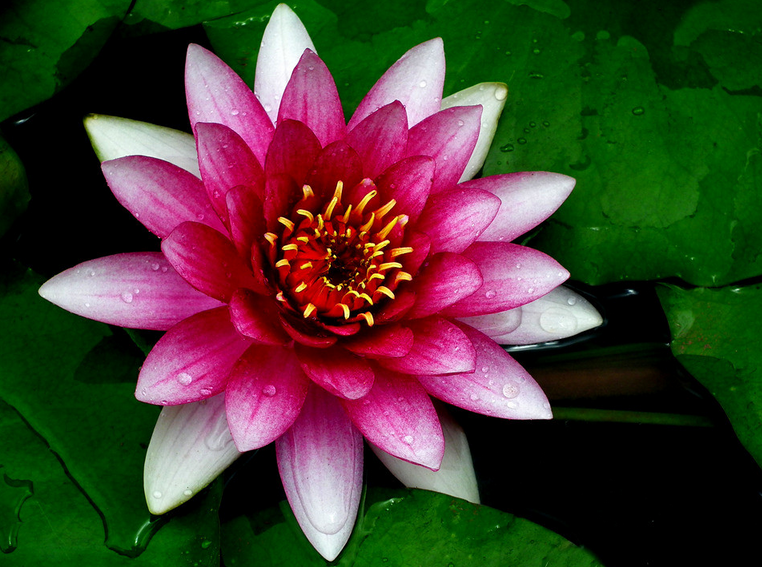
An Overview of Water Lily Planting Methods and Precautions
Water Lily Planting Methods
I. Vat Planting
When planting, choose a bottomless flower vat about 50cm tall with as wide a mouth as possible. Place evenly mixed nutrient soil in the pot, with the soil depth kept at 30-40cm to facilitate water storage. Bury a healthy propagule in the center of the vat, at a depth where the growing tip is just slightly exposed above the soil. After planting, add water but do not fill it to the brim; 2-3cm above the soil layer is best, to facilitate warming and ensure the survival rate. As the plant grows, gradually increase the water level. The advantage of this method is that it is easy to manage; the disadvantage is that overwintering is difficult in the Beijing-Tianjin region, requiring moving the plant into a greenhouse or sinking it into a pond.
II. Pot Planting with Submersion
Choose a bottomless nutrient pot, 30cm tall with a 40cm diameter. The planting method and nutrient soil are the same as for vat planting, with the soil filled to a height of about 25cm. After planting is complete, submerge it in a pond, with the water level controlled at just covering the nutrient pot. As it grows, gradually increase the water level. The advantage of this method is that overwintering is easy: simply raise the water level in winter so that the water lily's growing tip stays below the ice layer, and it will survive the winter. The disadvantage is that management requires entering the pond, which is slightly inconvenient.
III. Pond Cultivation
Choose a pond with fertile soil, with at least 30cm of mud at the bottom. The propagule can be planted directly into the mud. The water level should start shallow, controlled at 2-3cm, to facilitate warming, and gradually increase as the plant grows. Depending on the region, deepen the water level in the pond before winter so that the rhizome stays below the ice layer and can overwinter. The advantage is a better mass effect and greater growth; the disadvantages are that digging them up the following year is difficult, and pests and diseases are hard to control.
In early spring, drain the pond completely, apply base fertilizer at the bottom (cake fertilizer, manure, crushed bones, superphosphate, etc.), cover it with fertile soil, then plant the water lily rhizomes into the soil, with the water flooding 20-30cm deep. In summer, when growth is vigorous, the water level can be deeper, maintained at 40-50cm; the water flow should not be too fast. If the pond water is too deep, you can build planting platforms or planting troughs with bricks in the water, or use plastic boards to divide a long planting trough into 1m x 1m sections to plant multiple varieties, which can prevent varieties from mixing. You can also plant them in pots or vats first, then place them into the pond. During the growing period, you can appropriately apply 1-2 additional rounds of topdressing. In July-August, mix 50g of cake fertilizer powder with 10g of urea, wrap it into small packets with paper, and push them by hand into the mud slightly away from the plant roots, 2-4 packets per plant. After about 3 years of planting, empty and renew the pond once to avoid crowding and decline. Before winter freezing, maintain a water depth of about 1m to prevent the pond bottom from freezing and damaging the rhizomes.
Precautions for Growing Water Lilies
1. Water Level Control
Whether hardy water lilies can grow normally depends on water level control as one of the important factors. Hardy water lilies have different water level requirements at different growth stages, so attention must be paid to controlling the water level. Since water temperature has a direct effect on the growth and flowering of water lilies, at the early growth stage the leaf stalks are short, so the water level should be as shallow as possible, preferably not allowing the leaves to be exposed to the air, in order to raise the water temperature as quickly as possible, promote root growth, and improve the survival rate. As the leaves grow, gradually raise the water level; when reaching the peak growth period, the water level reaches its maximum, which makes the leaf stalks longer and the leaves larger, helping to store nutrients. Entering autumn, lower the water level and raise the water temperature so the leaves receive sufficient light and photosynthesis is enhanced, thereby promoting the growth of the water lily's rhizome and side buds and increasing the number of propagules for the following year. After the weather turns cool in late autumn, gradually deepen the water level, keeping most of the leaves from being submerged, in order to control vegetative growth. Before the water surface freezes, deepen the water level all at once, determined according to the historically greatest ice thickness, keeping the water lily's growing tip below the ice layer for safe overwintering.
2. Timely Topdressing
The principle of topdressing must be that it benefits water lily growth while leaving no waste in the water, because wasted fertilizer leads to eutrophication of the water body, accelerating the growth of algae and aquatic plants and thereby polluting the water. You can use tough, absorbent paper to wrap the fertilizer and poke a few small holes in the packet so the nutrients are released, then apply it 15-20cm from the center and at a depth below 10cm. You can also mix moist garden soil or clay with fertilizer in a certain ratio (generally 10 to 1 for soil to chemical fertilizer, 4 to 1 for soil to organic fertilizer), knead it evenly into soil balls (ideally neither sticking to your hands nor falling apart when you open your hand), and apply them in 3 radiating points 15-20cm from the rhizome center, 10-15cm below the rhizome, applying as you knead them. Topdressing is generally done 15d before the peak flowering period, then once every 15d thereafter to ensure the amount of flowering, but topdressing should not be excessive, as too much easily increases vegetative growth, increases the number of leaves, and affects the overall effect of the flowering period. Reasonable topdressing can extend the mass flowering period of hardy water lilies and also increase the number of propagules growing the following year.
The Benefits of Water Lilies: An Overview of Five Stunning Benefits of Water Lilies
Water lilies are a very common ornamental plant for us, mainly grown in water, and both flowers and leaves have great ornamental value. Below, let us learn about the specific benefits of water lilies:
The Benefits of Water Lilies:
The Benefits of Water Lilies: 1. Ornamental
The water lily is a perennial emergent herb and an ornamental plant with both beautiful flowers and leaves. It has rich flower colors and a long flowering period, and is deeply loved by people. Planted in clusters along the shores of lakes and ponds, or dotting a courtyard waterscape and the corner of a waterside rockery, it has excellent ornamental value.
The Benefits of Water Lilies: 2. Decorating the Home
Growing water lilies in pots at home not only gives a refreshing feeling but also adds charm. Among water lilies, miniature varieties can be used to decorate rooms. Plant them in an elegant small pot, pair it with a refined and graceful pot stand, and place it in an appropriate position. Then this small life, with its glossy green leaves and delicate flower buds, and its faint, elusive fragrance, bathed in the indoor light, sets off the other decorations in the room and delights the eye, making the room more charming and evocative.
The Benefits of Water Lilies: 3. Purifying Water
Water lily roots can absorb toxic substances in water such as mercury, lead, and phenol, and can also filter microorganisms in the water. They are a rare plant material for water body purification, so they are highly valued in the purification, greening, and beautification of urban water bodies.
The Benefits of Water Lilies: 4. Medicinal Use
The rhizomes of water lilies can be used as medicine, as a tonic and astringent, and can be used to treat nephritis and other diseases.
The Benefits of Water Lilies: 5. Edible Use
Water lilies have a certain edible value; the rhizomes are rich in starch and can be eaten or used to make wine.
It is widely known that water lilies have high ornamental value, but they also have multiple benefits such as purifying water, medicinal use, and edible use. They are a plant with a wide range of uses, so homeowners who like water lilies should not miss out; you can grow them at home to beautify and decorate your home.
What Is the Most Beautiful Flower in the World? Top Ten of the Huayu Gu Ranking
Each of us has flowers we like in our hearts, and of course the most beautiful flower in the world is the one you like most. Precisely because each of us likes flowers, the editor believes that the flowers listed for everyone today are sure to include ones you like.
Next, let us follow the editor to review what the most beautiful flowers in the world are!
1. Bird of Paradise
This stunning flower's shape closely resembles a bird of paradise, and that is exactly what makes it so special. The magnificently colored bird of paradise flower is very tall: the bird of paradise plant grows as tall as 1.5 meters, and the flower itself is as large as a well mouth. Perhaps you can only see bird of paradise flowers in South Africa, but visit your local flower shop and you will find that the bird of paradise flower is not only one of the most beautiful flowers in the world but also one of the most popular.
2. Orchid
Orchids are also famous for their enormous variety. Except for the coldest Antarctica, they can be grown on any continent. Incredible orchids, as old as time and as delicate as raindrops. Yet centuries ago, orchids were still rare and precious things; today they can be seen in many homes and offices.
3. Calla Lily
The calla lily combines plainness and elegance. Its grace was also praised by the ancient Greeks: they named it kallos, meaning “beauty.” Although the calla lily is an excellent potted flower, you must watch your children and pets and not let them eat it; the calla lily is highly toxic.
4. Peony
The large, magnificent peony flowers in the garden look extremely beautiful, which is why we can always see them in outdoor settings. These beautiful flowers have been praised by flower experts and ordinary people alike for hundreds of years. Chinese emperors were amazed by its rich fragrance and appearance and named it the national flower.
5. Water Lily
When mentioning one of the most famous and most beautiful flowers in the world, the water lily is known throughout the world. This is not only because of its many varieties and wide distribution, but also because of its romantic flower shape. In poets' verses, it is a symbol of love; famous artists have painted it, and numerous photographers have photographed it. They are one of Mother Nature's masterpieces.
6. Frangipani
Frangipani is the flower of a small tropical tree species. Its 5-petaled flowers are very graceful and delicate, and it is also very easy to plant. It needs only plenty of sunlight and very little water. Its fragrance is very rich, especially at night, which is one of the reasons this small flower is so unique.
7. Cherry Blossom
Cherry blossoms are Japan's most precious flower and look extremely beautiful as well. Nothing is more poetic than a cherry tree in full bloom. For Japan, which loves beautiful and peaceful scenes and is sentimental, it is no surprise that cherry blossoms are loved above all other flowers.
8. Rose
The rose is the most famous flower in the world. For centuries, under any circumstances and on any occasion, full-petaled, brightly colored roses have been deeply favored by people of all different ethnic groups. Depending on the flower color, they carry many symbolic meanings. Roses may not seem exotic or new to you, but they absolutely rank among the most beautiful flowers in the world, which is exactly why we all love them.
9. Hyacinth
Hyacinths are flowers of spring, adorning many gardens around the world. However, thanks to the efforts of horticulturists, many wonderful hyacinths have been bred, so today we can see them at any time of the year. They are very special flowers, very sensitive. Once cut, their beauty and fragrance quickly fade. They are also suitable for pots, so you can enjoy them indoors and in the garden at the same time.
10. Gerbera
Although it ranks last on this list, there must be many people who rank it first; the gerbera is one of the most beautiful flowers in the world. Its strange patterns and intense colors led me to choose it for this list. In its place of origin, South Africa, it is also called the “flower of wealth,” perhaps because of its astonishing, intense, and sometimes multi-colored, dazzling hues.