Clivia mirabilis Pictures and Detailed Care Methods
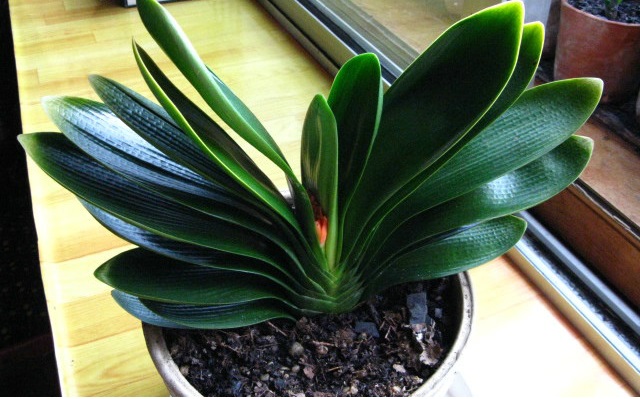
Clivia mirabilis Pictures and Clivia mirabilis Care Methods
Planting
For pot cultivation, use a mixture of decomposed horse manure, leaf mold, river sand or furnace ash residue, in a ratio of 6:3:1. For adult seedlings, repot once every 2-3 years; the pot size depends on the seedling, and soil should be replaced when repotting.
Fertilizing
Clivia likes fertilizer, but excessive fertilizing easily causes root rot, so the method of "light fertilizer, frequent application" should be adopted, and strong fertilizer and "raw fertilizer" must be avoided. During the spring and autumn growth periods, apply a light nitrogen-based fertilizer about once every 10 days to promote the growth of branches and leaves. When the flower stalk is emerging, apply a light phosphorus-based fertilizer once a week to accelerate the emergence of the stalk and make the flowers large and brightly colored. When the temperature is above 30°C, Clivia enters a semi-dormant period; below 10°C it stops growing and enters dormancy. In both cases, fertilizing is unsuitable, and care should be taken to keep the potting soil somewhat dry.
In addition, when growing Clivia at home, the pot and soil should be changed once every 1-2 years. This not only helps replenish the nutrients in the potting soil in time and increase fertility, but also allows the roots to spread out, which is beneficial to growth. Repotting is best done after flowering in spring or in autumn.
Watering
Clivia has well-developed fleshy roots. Too much watering easily causes root rot, while too little watering affects new leaf growth, rooting and flower stalk emergence.
The amount of watering should be treated differently according to specific conditions. For small pots and small plants, high temperatures, good ventilation, fast evaporation and well-aerated soil, water more; otherwise, water less. Generally, less water is needed at the seedling stage and more during the flowering period. In spring and summer, water more, generally once a day; in autumn and winter, water less. In autumn, water once every 1-2 days; in winter, water once every 4-5 days.
Temperature and Light
The suitable growth temperature for Clivia is 15-25°C. When the temperature is above 25°C, the plant grows poorly and often shows leggy leaves, affecting flower bud differentiation; at this time, pay attention to ventilation and cooling. Below 10°C, growth is slow; below 0°C, the plant may freeze to death. In summer, pay attention to cooling, or choose a cool high-mountain area and other places to spend the summer, promoting flower bud differentiation. In winter, cold protection must be noted. A large temperature difference between day and night is beneficial to Clivia growth, generally 6-10°C is suitable.
Clivia likes weak light and dislikes strong light; especially in summer, it must not be placed in direct sunlight. Plants grown under 50% light-transmission conditions have fresh green leaves, which can greatly improve the ornamental effect. Clivia has strong phototropism, so the direction of the pot should be rotated regularly to let the plant receive light evenly, so that the leaf elongation direction is in one line.
Pest and Disease Control
The common pest of Clivia is scale insects. When infestation occurs, scale insects often gather on the tender tips of leaves, suck leaf sap, and secrete a large amount of pathogens, turning stems and leaves moldy black, causing sooty mold and making leaves wither. This insect has strong reproductive capacity and can occur in multiple generations in 1 year. One female adult can often reproduce hundreds of larvae. If control measures are not taken in time, it can cause the death of the whole plant.
Control method: focus on prevention. Usually check the plant body frequently, and if pests are found, remove and treat them early to prevent spread. Scale insects can be controlled by both manual and chemical methods. If pests are found on only 1-2 leaf tips, they can be scraped off manually, using a sharpened thin wooden stick or bamboo stick to scrape off the insects. If a large number of nymphs appear, spray with 25% phosmet emulsifiable concentrate at 1000 times dilution, or spray with a solution made from 40% omethoate emulsifiable concentrate plus 1000-1500 times water. Generally, spraying 1-2 times can kill them.
In addition, note that earthworms can also become pests of Clivia. When the Clivia plant is young, its fleshy roots are very tender and weak. If there are earthworms in the potting soil, they often burrow around randomly, injuring the tender roots, destroying Clivia's function of absorbing nutrients, causing the plant to stop growing and developing or causing root rot.
The control method is: often check whether there are round soil particles on the surface of the potting soil (that is, earthworm excrement). If found, immediately drench with 50% dichlorvos emulsifiable concentrate at 1500-2000 times dilution. After drenching, if earthworms are seen moving, remove them immediately; repeat once after 1 week, and the earthworms can be completely eliminated.
Shaping and Pruning
Propagation
Clivia can be propagated by sowing or division.
Sowing: because Clivia has low self-pollination seed-setting ability, artificial pollination is needed to obtain seeds. Seeds can be sown once mature. Place the seeds with the seed pore facing down in a shallow pot, cover with sandy soil 1-1.5 cm, water thoroughly, and place indoors, maintaining 20-25°C and moist potting soil. They will germinate in about 1 month. After that, properly control moisture and provide sufficient light. Generally, seedlings grow only 2 leaves in the first year.
Division: Clivia easily produces tillers around the root crown, commonly called "foot buds," which can be used for propagation. Division is generally carried out in spring from March to April together with repotting. After separating the "foot buds" from the mother plant, plant them in plain sand to cultivate roots. After about 1 month, small new roots can be produced, and then they can be replanted.
Flowering Period Regulation
Tips
[How Clivia Can Safely Pass the Summer]
In many areas of our country, summer temperatures reach above 30°C. Such environmental conditions are not suitable for the normal growth of Clivia, causing leggy leaves that are thin and slender, yellow in color, and with unclear veins, affecting ornamental value. Hot and stuffy weather also easily causes root rot. To help Clivia pass the summer safely, the following measures should be taken:
(1) Shade and cool down: in summer, the flowerpot can be placed behind a building or under the shade of a large tree, or placed at the window of a well-ventilated, cool room facing north for care.
(2) Increase air humidity: spread sand and sprinkle water on the floor inside a north-facing balcony, and place the flowerpot on the sand surface; or place a wooden board over a water pool containing cold water and place the flowerpot with Clivia on the wooden board. Both can increase air humidity and lower air temperature.
[Solving the "Stuck Arrow" Problem]
Adult Clivia first extends the flower stalk before blooming, commonly called "pulling the arrow." However, in some plants during growth and development, the flower stalk does not extend, and the flower buds have already formed, trapped in the pseudobulb, causing the "stuck arrow" phenomenon. The causes are various, such as: room temperature (temperature above the pot) too low, which is unfavorable for flower stalk cell division and elongation; insufficient nutrition during the flowering period, especially lack of phosphorus and potassium elements; compacted potting soil, lack of permeability, and insufficient watering, etc. The solution is to appropriately raise the potting soil temperature, strengthen fertilizer and water management before the flowering period, and also use "Cuijianling" medicinal treatment.
Clivia Care Methods, and Its Effects and Functions
Clivia: Amaryllidaceae, Clivia genus, native to Africa. Clivia can not only absorb harmful gases, reduce noise, and kill bacteria, creating a comfortable living environment. Its flowers bloom during New Year's Day and the Spring Festival, symbolizing festivity, good fortune, elegance and nobility. Clivia flower language: noble, with the style of a gentleman.
Detailed Classification of Clivia
Clivia nobilis
The leaves of Clivia nobilis are very hard and rough, belt-shaped, about 300-800 mm long and 25-50 mm wide. The leaf tips are very blunt. Its inflorescence usually has 20-60 small flowers, drooping. The flowers are mostly dark orange, with green petal tips. But there are also flowers with colors between pink-yellow and dark red. Its fruit generally contains 1-2 seeds, the fruit skin is red, and the red fruit takes 9 months to mature. Seedlings grown from seeds have very slender leaves, about 1.5 mm thick. The growth period of Clivia nobilis is very long; from a seed to flowering takes 8 to 10 years, or even longer. Given the characteristics of the flowers, it is very easily confused with Clivia gardenii. Because its growth cycle is very long, it is boldly speculated that the "Clivia nobilis" once popular in China may actually have been Clivia gardenii.
Clivia miniata
In its native habitat, the leaf width of Clivia miniata generally does not exceed 50 mm, and rarely reaches 90 mm. Flower shapes include narrow-petaled and wide-petaled, like a trumpet. The inner petals are generally wider than the outer petals. The flower color is generally orange, with a yellow-white inner core. Of course, there are also flowers with colors between yellow-white and dark red. Very pale and very deep colored flowers are relatively rare. When blooming, a flower bud generally contains about 20 flowers, and some reach 40. The berries contain 1-20 seeds, generally fewer than 10.
Clivia gardenii (also called fine-leaf Clivia)
The plant height of Clivia gardenii generally reaches 80-130 mm. Its leaves are bright green, 350-900 mm long and 25-60 mm wide, very narrow and long, with pointed leaf tips. The flowering period is long, from late autumn to winter. The flower color is generally orange-red, with very obvious green at the petal tips. There are also other colors between yellow and red. The flowers droop in an arc shape, not as severely drooping as Clivia caulescens and Clivia nobilis. Each berry contains 1-2 seeds. The fruit takes 12-15 months to mature.
Clivia caulescens
The height of Clivia caulescens is 500 to 1500 mm. Adult plants have an aboveground stem reaching 1 m in length, and in special cases up to 3 m. The soft, flat and pointed leaves are arch-shaped, about 35-70 mm wide and 30-60 cm long. It generally blooms in spring and summer. The flowers droop like those of Clivia nobilis, and the flower color is orange-red with green petal tips. The round red berries contain 1-4 seeds, and the berry diameter is 9-13 mm. The seeds generally mature in winter, with a maturity period of 6 months after pollination.
Clivia mirabilis
Clivia mirabilis grows in humus within crevices on the slopes of mountains covered with stones, either solitary or in groups. These places are often covered by relatively sparse evergreen forests of African red pear wood. Some Clivia mirabilis also grow in the sun, but these plants often have leaf tips burned by sunlight and appear water-deficient. In the morning, the vast majority of Clivia mirabilis are on the shady side of cliffs; after that, until sunset, they can receive sunlight. The areas where Clivia mirabilis grows generally have a semi-arid Mediterranean climate, and winter often brings a rainy period. The center of the leaves of Clivia mirabilis has a white stripe, which distinguishes it from other Clivia varieties. Moreover, its seeds need only 5 months to mature, unlike other Clivia varieties. For example, the seeds of Clivia miniata need a 12-month maturity period, and the seeds of Clivia gardenii need a 15-month maturity period.
Clivia robusta
Clivia robusta is the largest type of Clivia, capable of growing to 1.8 m tall. In swamp areas, a very few root systems can reach 4.5 m long! The leaves of Clivia robusta are flexible and have smooth edges. The leaf tips are round, and there are pale white stripes in the center of the leaves. The leaves are often 30-120 cm long and 3-9 cm wide, and the leaf bases are often pigmentless. Clivia robusta generally blooms from March to August (South Africa's autumn and winter seasons). The inflorescence generally has 15-40 orange-red, green-tipped, drooping tubular small flowers. The flower stalk goes from red to green. Its fruit is spherical and red, generally with no more than 4 seeds in the fruit, and the fruit maturity period reaches 12 months.
Clivia Care Methods and Precautions
1. The way of growing flowers lies in mastery. If you do not understand flowers, you cannot grow them well. Clivia is shade-tolerant and likes a moist and cool environment. In summer cultivation, try to avoid strong sun. Above 15°C and below 25°C is most suitable for its growth. In winter, consider how to create a warm environment so it can pass the winter safely.
2. First, let's talk about how to choose a flowerpot. Clivia is certainly a famous flower, but the flowerpot is not better the more exquisite it is. Although the lowest-end unglazed clay pot may not look beautiful enough, its breathability is unmatched by ordinary flowerpots. For Clivia roots, breathability is the most important. Old flowerpots used for many years have poor breathability; they should be soaked, cleaned, and then exposed to the sun before use.
3. Soil is the foundation of growing flowers. The bottom of the flowerpot is best lined with tile pieces to help drain excess water. For flower soil, refer to the following formula: leaf mold 50%, coarse sand 15%, charcoal and rubble 20%, decomposed fertilizer 15% (decomposed fertilizer should try to avoid direct contact with flower roots).
4. Tell everyone: charcoal can be bought on the street, 2 yuan per jin. For leaf mold, everyone can go to quiet places in parks, especially places rarely cleaned, to find the black soil that has fallen and turned to mud, then mix it with rubble, coarse sand and charcoal to increase breathability. Then add some rotted, decomposed soybean meal.
5. After the soil is prepared, it must be disinfected. Sun exposure is essential, and it can also be put in a plastic bag and placed in a microwave to sterilize at high temperature. This kind of soil is suitable for newly planted Clivia and also suitable for soil replacement midway.
6. Grown Clivia should have its soil changed once a year, suitable in spring and autumn. When changing soil, cut off rotten roots and dry roots. Use soil to fill the roots firmly, otherwise water and nutrients will find it difficult to reach the roots. After changing the soil, water thoroughly.
7. Clivia roots are fleshy, and water accumulation in the flowerpot easily causes root rot. In winter, water evaporation is low, so the frequency of watering should be appropriately reduced. Usually, it is recommended to use a spray bottle; cleaning the leaves, increasing humidity and watering serve three purposes at once. During the flowering period, use the root-watering method, but the flowerpot must never retain water.
8. For watering, rainwater or snow water is best. Everyone can place large jars on the balcony during rainy days to collect it. Tap water and well water have lower temperatures, so they should be stored for a few days before being used to water flowers. Storing tap water can also remove chlorine from the water.
9. The principle of watering is: do not water until it is thoroughly dry, and water thoroughly once you water. Clivia has well-developed roots, and combined with reasons such as compacted soil, it is sometimes difficult to water thoroughly. The whole flowerpot can be placed in a bucket or washbasin, and taken out after about 1 minute.
10. In summer, watering also requires attention to one point, namely the water vapor isolation phenomenon. The soil on the surface of the flowerpot may look dry, but the soil at the roots is actually still very wet. If you water at this time, it easily causes Clivia root rot.
11. Watering and fertilizing are best done at the same time. During the vigorous growth period, apply fully fermented fertilizer water or rice-washing water once every 15-20 days. Special fertilizer can be bought for application, but it is best not to use chemical fertilizers.
12. Summer is relatively difficult for Clivia. Place Clivia in a ventilated place, preferably on a water pool or water basin (raised with a wooden board), and often spray water around the plant and on the leaf surface to improve the temperature and humidity environment for Clivia. Control fertilizing, applying as little as possible or not at all. When watering, be very careful not to let water run into the leaf center, to avoid heart rot.
13. Like other plants, Clivia also has phototropism, so be sure to often move the placement position and direction. Whichever side is growing less well, place that side in a sunny position, so it can grow symmetrically.
14. In short, growing flowers requires care. If you treat it with care, it will repay you with surprises. Clivia is not that delicate, but it cannot be left unattended either. I hope every Clivia enthusiast can take good care of their flowers!
Clivia Propagation Methods
Division Propagation
1. Division Time
Division work can be carried out in all four seasons. But spring from February to May and autumn from September to November are most suitable. Small Clivia can be divided only when the leaves grow to about 10-15 cm. If too small, growth after division is slow; if too large, it affects the growth of the mother plant.
2. Division Method
Clivia begins to produce offsets when it grows to two years old, with small Clivia growing out around the roots. When the leaves grow to 10-15 cm, use a sharp knife to cut off the small Clivia together with its roots from the mother plant and plant it in a pot. If no root is cut, apply B12 medicinal solution to the cut wound (sulfur powder or charcoal powder can also be applied), then plant it in the pot. Spread clean river sand around the roots, and cover the top with a transparent plastic bag. Keep the potting soil at about 50% water content, place in a cool place, and new roots can grow in 20-25 days. The advantage of medicinal solution treatment is that it can increase the regeneration ability of root cells, prevent bacterial infection and rot, and promote early new root development. The advantage of covering with a plastic bag is to maintain air humidity and soil moisture, promote root growth, and prevent excessive leaf surface transpiration causing leaf wilting.
3. Mother Plant Management
For the mother plant after division, strengthen care and management, and apply wood ash (or sulfur powder) to the wound of the mother plant. Within one month after division, appropriately control moisture and increase fertilizer application to make it grow robustly.
Sowing Propagation
1. Sowing Time
Clivia sowing can be carried out at any time throughout the year, mainly depending on the seed collection time (Clivia seeds need about 260 days from pollination to maturity). When the seeds are mature, cut off the stalk together with the seeds, place in a cool and ventilated place for about 10 days, then peel out the seeds and dry them for one or two days before sowing. After harvesting, seeds are best sown immediately, because if the seeds have not shriveled, they emerge faster. If for objective reasons they cannot be sown in time, wrap the seeds well in clean gauze and store in a ventilated, dark, cool place, with the temperature preferably below 15°C. In this environment, they can be stored for 3 months. If stored too long, the emergence rate will continuously decline. Seeds stored for a long time must be soaked in warm water for 24 hours before sowing.
2. Sowing Method
Place the seeds with the convex back facing up evenly on the surface of sandy soil and humus soil. Cover with sandy soil, with the soil thickness being one times the diameter of the seeds. Water thoroughly with a spray bottle, then cover with a piece of transparent glass to maintain the moisture of the covering soil. To achieve a high emergence rate and fast emergence, place the seed pot in a low-temperature place so that the soil temperature is constantly maintained between 20°C and 25°C. Water again when the covering soil surface is dry, to prevent excessive watering causing seed rot. After about 20 days, the radicle can grow out, and after about 3 months they can be transplanted into pots. If using a 10 cm small flowerpot, 2-3 plants can be transplanted side by side per pot; with a 15 cm clay pot, 5-7 plants can be transplanted per pot. When two leaves have grown, they can be planted one plant per pot.
What Effects and Functions Does Clivia Have?
Ornamental Effect
① Chinese Clivia, with its wonderfully beautiful sword-shaped leaves, layered like a green fan; standing in pairs, with bright color. The lower part of the leaves forms a pseudobulb woven from leaf sheaths; some resemble an exquisite pagoda, some resemble a golden ingot; and the tops of the leaves have various shapes, some like ellipses, some like semicircles as if drawn with a compass.
② The purpose of Clivia flowering is pollination, fertilization, fruit setting, and seed formation into berries to reproduce. The fruit takes about 8-9 months of growth before it can go from small to large, from green to red, and the seeds can mature, so Clivia is said to have fruit to view in three seasons. The fruits of variegated Clivia are even more colorful and truly beautiful.
③ Another wonder of Clivia is that it needs no special cultivation; its flowers bloom in winter, during Christmas, New Year's Day and the Spring Festival, and the flowering period is long. Outside it is ice and snow, silver-covered; indoors green leaves and red flowers, full of spring, full of vitality, giving people a feeling of joy and pleasure, setting off the festive and warm atmosphere of the holiday. The neatly arranged beautiful leaves on both sides cluster around the sturdy flower stalk holding up a mass of fiery red flowers, with dozens of small flowers like trumpets sounding in all directions.
④ Clivia has another wonder: it lives over a hundred years and seems immortal. Although it is a perennial plant, and because Clivia blooms in winter (especially during holidays), low-priced low-grade Clivia is also welcomed by thousands of households. In addition, some young girls treat Clivia fresh cut flowers as a symbol of eternal youth and immortality, giving them to their beloved sweethearts.
⑤ Among the Clivia family, the striped-art variegated Clivia, striped-art Clivia, is a favored child in the Clivia family both domestically and abroad. Its leaf surface clearly shows distributed colors such as green, yellow, white, light green, dark green and gray. Green, yellow and white are distinct, bright and charming, with a sense of three-dimensionality, transparency and freshness, possessing extremely high ornamental value.
Environmental Protection
① Clivia has the function of absorbing carbon dioxide and releasing oxygen
An adult exhales one kilogram of carbon dioxide per day and absorbs 0.75 kilograms of oxygen; what is especially serious is that air pollution makes the ratio of carbon dioxide to oxygen in the air greatly exceed the above standard. Clivia plays a very good role in changing this situation, eliminating air pollution, reducing radioactive substances and bacteria, lowering noise, maintaining ecological balance, and carrying out environmental protection.
② Clivia has the effect of absorbing dust
The Clivia plant, especially its wide and thick leaves, has many stomata and hairs and can secrete a large amount of mucus. Through air circulation, it can absorb large amounts of dust, dirt and harmful gases, filter indoor air, reduce the dust content in indoor spaces, and make the air clean. Therefore, Clivia is praised by people as an ideal "absorption machine" and "dust collector."
Beautifying the Home
The Effect of Clivia on the Home Environment
Chinese Clivia has the characteristics of being evergreen all year round, having the strongest shade tolerance, and being suitable for indoor cultivation. It is an ideal plant for decorating halls, rooms, pavilions and offices, and is an excellent choice for beautifying parks. It is praised by people as a living handicraft and "money flower." Using it to beautify the home is a beautiful symbol of spiritual civilization and material wealth.
Clivia Home Pairing
① Placing it in front of the door shows the host's gentlemanly style. When guests enter the door and see Clivia, they immediately understand the style the host aspires to. It can be seen that Clivia is the best possible spokesperson.
② Placing it in the study lets one always remember to be a gentleman. The study is one of the places where the host works. When striving, seeing Clivia always reminds one of the direction to strive for and plays a warning role.
③ Placing it on the dining table beautifies the indoor environment. When not eating, placing a small pot of Clivia on the dining table makes the whole dining room appear elegant, reflecting from another angle the host's aspiration for an elegant life.
Medicinal Value of Clivia
① Clivia can be used whole as medicine. The Clivia plant contains lycorine and clivine. In addition, Clivia is also rich in trace elements; for example, Clivia has a large selenium content.
② Many pharmaceutical researchers have now conducted in-depth research on Clivia and finally found that Clivia's medical value is very high. In modern medicine, Clivia is used to treat cancer-type diseases and hepatitis with good effects.
③ Clivia also has good effects on cirrhosis, ascites due to liver disease and poliovirus, etc. People can extract some lycorine from the roots of Clivia, which has good antiviral effects and also good anticancer effects.
④ The lycorine in Clivia has good anticancer activity and can inhibit aerobic or anaerobic cells, especially with good effects on tumorous cancers. The lycorine in Clivia has good effects on gastric cancer, liver cancer, esophageal cancer, etc., and in fact also contributes indispensably to the treatment of lymphoma and lung cancer.
What Causes Clivia Leaves to Turn Yellow?
The main causes also include: first, applying fertilizer that has not been well fermented, causing pathogens to multiply greatly in the potting soil. Second, the potting soil is not changed for a long time, and disease-causing bacteria exist in the old soil. Third, the new soil used is relatively raw and not fully fermented, causing secondary fermentation in the pot. Fourth, the fertilizer's nitrogen, phosphorus and potassium are unbalanced, especially lack of potassium fertilizer, or fertilizer directly contacting the roots during application. Different methods should be adopted according to the specific causes to prevent and cure it. The fertilizer applied must be fully fermented, the fertilizer concentration should be low, nitrogen, phosphorus and potassium should be balanced, and fully fermented nutrient soil should be replaced regularly twice a year in spring and autumn; do not use raw soil. In this way, this disease can be eliminated.
What Should Be Done If Clivia Leaves Turn Yellow?
① The entire leaf turns yellow
This situation is caused by the sun being too strong and burning the Clivia. The response measure is to cut off the yellowed leaves and provide shading. After a period of time, the yellowing of Clivia leaves will decrease.
② Yellowing starts from the leaf tip
This situation may be caused by the soil in which the Clivia is growing being too raw or too fertile, and it should be handled according to the actual situation.
③ Individual leaves turn yellow
The greatest possibility in this situation is caused by insufficient light for the Clivia. The corresponding measure is to supplement lighting, or place it in a position with sufficient sunlight.
2013 Clivia Care Methods
2013 Clivia Care MethodsClivia is native to southern Africa and grows under large trees, so it fears heat and cannot tolerate cold. It likes a semi-shaded and moist environment and fears strong direct sunlight. The best temperature for growth is between 18〜22 degrees. Below 5°C and above 30°C, growth is inhibited. Clivia likes a ventilated environment and likes deep, fertile, loose soil, and is suitable for indoor cultivation. At present, there are 6 species of Clivia internationally, respectively called Clivia nobilis (C.nobilis), Clivia miniata (C.mirdata), fine-leaf Clivia [Clivia gardenii (C. gardenii)2y Clivia caulescens <^G,cauUscens)和奇异君子兰 lC.mirabibis),沼 泽君子兰(C.swamp)o
Cultivation Techniques
Clivia is commonly propagated by sowing, division and tissue culture.
Sowing propagation: when the fruit turns red, cut off the entire inflorescence and hang it in a ventilated and light-transmitting place. After it is ripe, peel out the seeds. Before sowing, the seeds can be soaked, that is, placed in warm water at about 40°C for one day. After soaking, under conditions of 20〜25°C, the radicle can extend in 15〜20 days. The sowing substrate is preferably miscellaneous wood sawdust
fermented and decomposed before use, or a mixture of one part river sand plus one part furnace slag. When the first true leaf grows, the first transplanting can be carried out, planting in pots 15〜20 cm wide, 3 plants per pot. For the culture soil, use leaf mold plus 20% river sand and an appropriate amount of base fertilizer.
Division propagation: division in March to April is suitable. Cut off the seedlings longer than 15 cm growing around the root crown of Clivia from the mother body, making them separate plants. Apply charcoal powder to the cut, and after the wound dries, plant in a pot. After 2-3 years, they can bloom. There is also tissue culture, often used for propagating new varieties.
After Clivia has grown for 1-2 years, it needs to be repotted once. Repotting is generally carried out in March to April or August. When repotting, the root system of Clivia should be properly dried. The soil used is leaf mold: loam: river sand: cake fertilizer mixed in a ratio of 5:2:2:1. To prevent pests and diseases, the culture soil should be disinfected after mixing.
Clivia likes semi-shade and moist soil conditions. During the peak growth season and flowering season, the water requirement is relatively large; in summer, when the temperature is relatively high, attention should be paid to spraying water to maintain a certain air humidity. Fertilize reasonably according to Clivia's developmental stage and fertilizer properties, and achieve "light fertilizer, frequent application." For potted Clivia, the base fertilizer can use decomposed soybean cake, hemp residue and animal hoof and horn. It can be applied twice a year, respectively in March and August. During the growth period, apply liquid fertilizer once every half month. Before flowering, apply phosphorus fertilizer, which can make the flowers abundant and colorful. When placing Clivia, the fan surface of the leaves can be made parallel to the light source.
>Ornamental and Application Euonymus japonicus
The Latin scientific name of the clivia carries the meaning of "noble, lofty, wealthy and beautiful"; while the Chinese named it "Junzilan" (gentleman orchid), further endowing it with the bearing of a true gentleman who is "broad-minded" and "cultivates himself to rectify his character". In China, the clivia is a kind of high-grade indoor flower with a beautiful plant shape and both flowers and leaves worth viewing.。
Its characteristics: first of all, its unusual form. Look at those sword-shaped leaves with green veins on a yellow ground, broad, thick and glossy, neatly and symmetrically arranged on both sides, elegant and spreading, with a dignified bearing, just like two rows of royal guards standing with swords, dark green all year round. After 3 years of careful cultivation, watching its pretty and plump form, people eagerly look forward to its budding and blooming. The umbel inflorescence and the many funnel-shaped yellow-orange flowers, its flower shape delicate, its fragrance penetrating the heart and delightfully fresh, during the viewing process lasting more than a month, one is indeed satisfied. Viewed in overall form, some look like a peacock spreading its tail, some like wild geese spreading their wings, exactly as the saying goes, "Green leaves in two rows, like wild geese coming, flowers bloom red as fire, the gentleman rejoices". Another wonder of the clivia is that whether flowers, leaves, fruit, or the base and scent, all have ornamental value in many aspects. Generally after the flowers bloom, the large fruit they bear turns from green to red, and finally to purple-red; the whole process is mysterious and magnificent, and lasts a rather long time. So it can be said that the clivia can be viewed for its leaves (or base) in all four seasons, for its fruit in three seasons, and for its flowers in one season, and when the flowers bloom one can smell their fragrance.
The clivia is suitable for indoor pot culture, can be arranged for viewing all year round, and is a relatively ideal flower for decorating halls, rooms and establishments. The clivia cultivated in China has 2 kinds: the nodding clivia (also called the fine-leaved clivia) and the large-flowered clivia (also called the superior clivia). Changchun has become the main production base and sightseeing destination for clivia in China. It is said that in 1932 a Japanese presented the clivia as a precious flower to Puyi, and only then did Changchun have the clivia, also becoming the birthplace of the Chinese clivia. Afterwards, through more than 70 years of cultivation, many new varieties were bred, such as 'Heshang', 'ranchang', 'Youbian', 'Jishi', 'Tiebeizhang', 'Yuanmeiwang', 'Jinyuanbao', 'Qiaoliren', 'Dashuai', etc. The Changchun clivia has already possessed such characteristics as leaves forming a sword shape, short, broad, upright, round, light in color, with obvious veins, and a thick and large scape, large flowers, and bright color on the back of the flowers. It has won first place many times at domestic flower exhibitions, thus forming the proper name "Changchun clivia".