What hydroponic plants are there? With a complete picture gallery
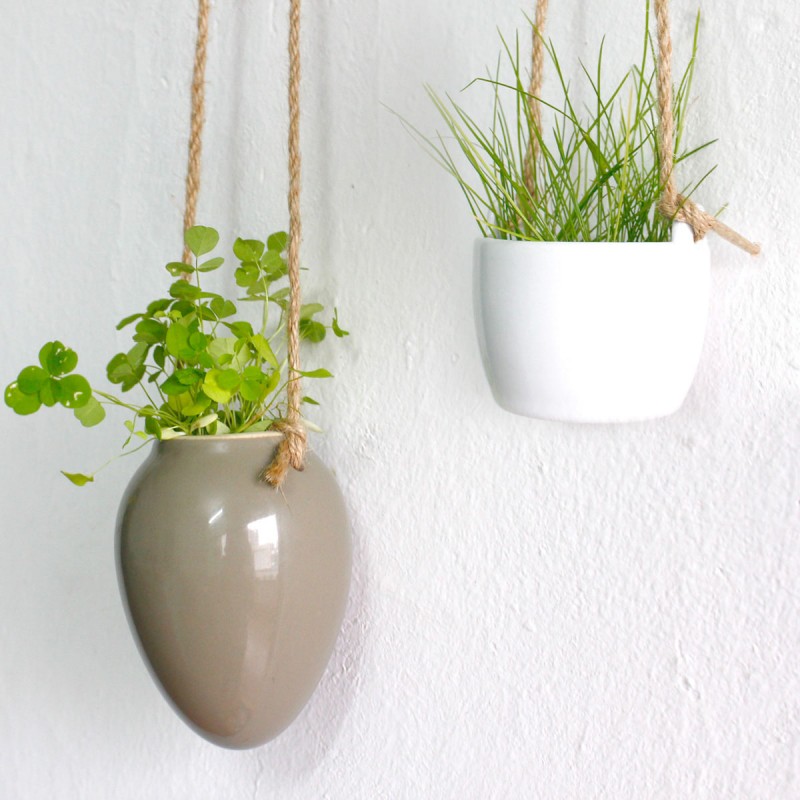
Pictures of hydroponic plants What hydroponic plants are there
Hydroponic flowers cultivated with this soilless cultivation technique are favored by flower consumers at home and abroad for their advantages of being clean and hygienic, elegant in style, highly ornamental, and environmentally friendly and pollution-free.
But it is worth noting that hydroponic flowers produced by countries around the world are not very ideal in terms of either variety or quality. The most fundamental reason for this is that hydroponic flowers are easily limited by hypoxia stress and nutrient imbalance during growth, leading to poor growth phenomena such as root rot, mildew, and leaf yellowing in hydroponic flowers, and the water quality then deteriorates, further affecting the growth and ornamental value of hydroponic flowers. Therefore, in the growth process of hydroponic flowers, balancing the supply of oxygen and nutrients in the nutrient solution is the most critical link.
Common types
Foliage plants: Alocasia amazonica, spider plant, Syngonium podophyllum, lucky bamboo, pothos, pennywort, Tradescantia pallida, ...... Vegetables and fruits: potato, radish, taro, ...... Besides the above types, you can also discover your own; as long as the plant has a well-developed root system, it can be used.
Plant cultivation
Araceae plants
Main
Hydroponic plants
Hydroponic plants include: Spathiphyllum 'Mauna Loa', Aglaonema modestum series, clustered Philodendron bipinnatifidum, Aglaonema 'Emerald Beauty', pothos, Dieffenbachia seguine, Aglaonema 'Golden Queen', Aglaonema 'Silver Queen', Aglaonema 'Stars', mini Monstera deliciosa, Alocasia 'Black Velvet', Aglaonema 'Green Yellow', Aglaonema 'Red Ruby', Philodendron panduriforme, Syngonium 'Silver', Syngonium podophyllum, Alocasia macrorrhizos, Anthurium andraeanum, Zantedeschia aethiopica, etc.
Commelinaceae plants
This type of flower has extremely strong adaptability and an innate instinct for water cultivation. Almost all Commelinaceae flowers can adapt to water cultivation conditions, such as: Tradescantia pallida, Tradescantia spathacea, etc.
Liliaceae
The vast majority of Liliaceae flowers can adapt to water cultivation conditions, such as: Haworthia fasciata, spider plant types, Cordyline types, Dracaena draco, Dracaena fragrans, Sansevieria trifasciata, Agave americana, lucky bamboo with golden edges, Scilla peruviana, Aglaonema commutatum with silver edges, Reineckea carnea, etc. However, the Liliaceae plant Beaucarnea recurvata is not easy to grow in water.
Crassulaceae plants
Those relatively adaptable to water cultivation include: Aeonium, Sedum sieboldii, Kalanchoe fedtschenkoi, Graptopetalum paraguayense, Bryophyllum pinnatum and other plants
Aucuba japonica, Cyperus alternifolius, Coleus scutellarioides, Gynura aurantiaca, Asparagus densiflorus, Begonia maculata, Begonia masoniana, Paphiopedilum, Codiaeum variegatum, Jacobaea maritima, Senecio articulatus, Schlumbergera truncata, three-angled column grafted cactus ball, Didierea trollii, pineapple, Euphorbia tirucalli, Kalanchoe marmorata, Amaranthus tricolor, Parthenocissus tricuspidata, Hedera helix, Nephrolepis cordifolia, Asplenium nidus, Rhapis excelsa, Chamaedorea elegans, Aspidistra elatior, etc.
What hydroponic plants are there Pictures of hydroponic plants
Introduction:Many people like to grow some aquatic plants or aquatic flowers indoors. The growth of these plants generally cannot be separated from water. This type of plant is called a hydroponic plant. They can not only decorate and beautify the indoor environment, but also purify the air and provide people with a very suitable living environment, which is very suitable for people. So what common hydroponic plants are there? The following article will introduce several common hydroponic plants for everyone, hoping to help everyone.
Introduction to hydroponic plants
Narcissus
Narcissus is a hydroponic plant deeply loved by Chinese people, and it has extremely high ornamental value. The growth of narcissus cannot be separated from water, and the flowering period of narcissus is generally in winter. Whenever in the cold winter season, narcissus blooms in competition, with pure white flowers, fresh fragrance, simple elegance and cleanliness, just like a fairy on the waves in the water, full of lively spirit. Narcissus not only has high ornamental value, but can also purify the air, reduce indoor noise, and absorb indoor exhaust gas, keeping indoor air fresh at all times. Moreover, narcissus is relatively easy to cultivate; it only needs a dish of clear water and a few pebbles to survive. Below is a picture of narcissus, full of an elegant atmosphere.
Hydroponic spider plant
Hydroponic spider plant is also a common hydroponic plant. Although hydroponic spider plant has no gorgeous flowers and no high ornamental value, it has extremely strong vitality. No matter when, as long as it is provided with enough water, it can grow vigorously and be full of green. Hydroponic spider plant is lush and full of vigorous vitality, and it also has a very strong absorption effect on indoor formaldehyde and other harmful gases, can purify the air, and provide people with a livable indoor environment. If a friend moves into a new home, growing hydroponic spider plant indoors can effectively absorb indoor harmful gases. Below is a picture of hydroponic spider plant, full of vigorous vitality.
Alocasia amazonica
Alocasia amazonica is also a common hydroponic plant, and it also has very high ornamental value. During the growth of Alocasia amazonica, as long as it is provided with a suitable growth environment, water can seep out from the tips of its leaves and flow down along the leaves. Moreover, the flower shape of Alocasia amazonica is very similar to Guanyin, hence its name. The shape of Alocasia amazonica can be designed according to people's preferences. Some Alocasia amazonica have very good shapes and can be sold for tens of thousands of yuan. Alocasia amazonica can also absorb impurities in the air and maintain a very good indoor air quality. Below is a picture of Alocasia amazonica; let's take a look!
Lucky bamboo
An evergreen upright shrub of the genus Dracaena in the Liliaceae family, very suitable for indoor water-grown flowers. Lucky bamboo has emerald green leaves, straight stems, and is round like bamboo. The leaves are ovate with pointed tips, and the base of the petiole clasps the stem. It is an extremely shade-tolerant plant and still grows well, upright and strong, under weak light conditions. It can be placed indoors for a long time for foliage viewing and does not require special care; as long as there is enough water, it can grow vigorously. When growing in water, cut the lucky bamboo stems into small sections of more than 20 cm as cuttings and insert them into water. As long as 1/3 of the cutting can be immersed in water, it can take root and survive.
Ivy
Araliaceae, Hedera genus, is the most ideal indoor and outdoor vertical greening variety, an evergreen vine, with slender and soft branches and vines, with aerial roots, climbing on other objects. Leaves are alternate, leaf blades triangular-ovate, and the demand for potted plants is increasing day by day. It is a typical shade plant, can grow in a full-light environment, grows well under warm and humid climate conditions, and is not cold-tolerant. Water cultivation is simple, and its vitality is strong.
Asparagus fern
Liliaceae, Asparagus genus, a perennial evergreen herbaceous flower. The stems are slender and weak, and the branches are fine and leaf-like, spreading horizontally. Flowers are small, white. Berries are spherical, black. After the fruit ripens, it presents a scene of dots of red amid dense green, clear and lovely. The plant has strong shade tolerance. Placed at the bedside or on a desk, it is elegant and generous, and is a very good indoor flower. Asparagus fern is also an ideal material for setting off cut flowers. In recent years, water-grown asparagus fern has been successfully developed, and it is even more elegant when placed indoors.
Hyacinth
Also known as Dutch narcissus, it belongs to the Liliaceae family, Hyacinthus genus, a perennial herb, with a spherical or flattened spherical bulb, externally covered with a tunic that is purple-blue or white, etc. The leaves are basal, thick, and strap-shaped lanceolate. The flower stem is drawn out from the center of the leaf stem, a raceme, with delicate flower posture, colorful, dazzling and eye-catching, and a pleasant fragrance. It likes a sunny and cool, humid environment, and is suitable for both pot cultivation and water cultivation. When growing in water, place its bulb in hydroponic nutrient solution; its appearance is clean and highly ornamental!
Besides those introduced above, common hydroponic plants also include clivia, pothos, Aglaonema, and other plants. These are all very beautiful hydroponic plants. Cultivating hydroponic plants can not only beautify the indoor environment, but also ensure good indoor air quality, which is very beneficial to people's health. Why wouldn't readers and friends be happy to cultivate a hydroponic plant? The above is the content about what hydroponic plants there are, hoping it can help everyone!
What hydroponic plants are there What household hydroponic plants are there Hydroponic plant cultivation techniques
Hydroponic plantsAre a method of plant cultivation. Unlike traditionally growing plants in soil, they involve adding the nutrient solution needed by the plants to water and growing the plants in water.Hydroponic plantsHave better ornamental value. Now on the market, people even keep a few goldfish in hydroponic plants, giving a better decorative effect. Sowhat hydroponic plants are there, and what cultivation techniques are there? Below, the editor will introduce them one by one.
Editor's recommendations:Indoor plant cultivation methods Notes on cultivating Aglaonema Methods for cultivating Kalanchoe blossfeldiana
[Click the picture to learn more]
Generally, plants that can be grown hydroponically include Monstera deliciosa, Aglaonema, clivia, camellia, Chinese rose, jasmine, rhododendron, Aglaonema commutatum, Matthiola incana, Phalaenopsis, Fuchsia hybrida, five-needle pine, Ficus elastica, Dracaena fragrans, Begonia types, ferns, palm family plants, etc., as well as various foliage plants, such as clustered Philodendron bipinnatifidum, Syngonium podophyllum, Anthurium andraeanum, Chlorophytum comosum 'Variegatum', and Aglaonema commutatum with silver edges;
[Click the picture to learn more]
More than a hundred kinds, including Crassulaceae species such as Aeonium and Sedum sieboldii, and other types such as clivia, Paphiopedilum, Schlumbergera truncata, lucky bamboo, Billbergia, Jacobaea maritima, Dracaena fragrans, Hedera helix, and Coleus scutellarioides. Basically, all plants that can be planted in soil can be grown hydroponically; only a very small portion of plants that like dry environments are not suitable for hydroponics.
[Click the picture to learn more]
In addition, plants need sunlight, so when cultivating indoor hydroponic plants, attention should be paid to choosing the growth environment for hydroponic plants according to the different types of plants.
[Click the picture to learn more]
Another technique for cultivating hydroponic plants is to pay attention to regular water changes. Plant growth also needs oxygen, and the oxygen needed for their root respiration can only be absorbed from water. Only fresh water contains a large amount of oxygen.
[Click the picture to learn more]
In addition, hydroponic plants must be given nutrient solution. When preparing the nutrient solution, be sure to prepare it according to the instructions of the nutrient solution. Be careful not to use too much, and do not shorten the time interval for adding nutrient solution each time. Before preparation, first let tap water sit for a few hours to release the chlorine in it, and make the water temperature the same as the indoor temperature.