Golden-Edged Snake Plant Pictures, Growing Methods and Precautions
Golden-Edged Snake Plant Pictures: Growing Methods and Precautions for the Golden-Edged Snake Plant
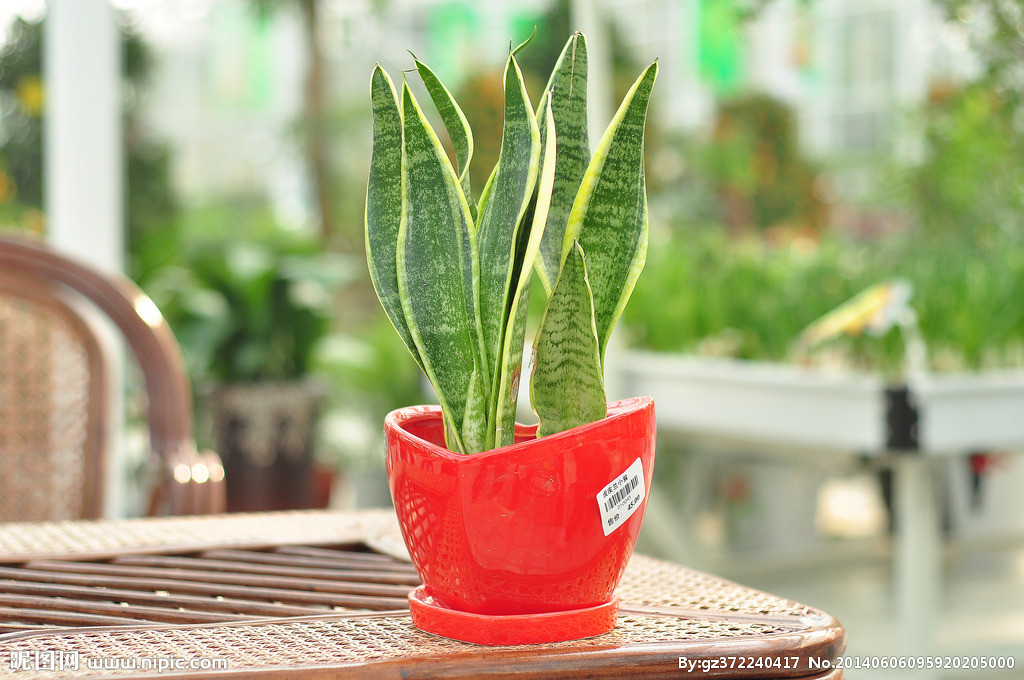
The golden-edged snake plant is grown for its leaves, because the flowers it produces are white or green tubular blooms that are not very attractive, while its leaves are a combination of three colors - green, white and yellow. The edges of the leaves are broad yellow margins, which is why it is called the golden-edged snake plant; the middle of the leaf has wavy alternating green and white horizontal stripes. It is often used as a medium-sized potted plant.
Growing Methods for the Golden-Edged Snake Plant
1. Temperature. The most suitable growing temperature for the golden-edged snake plant is 20-25°C, under which it grows vigorously and has bright colors. In winter, the growing temperature must not be lower than 8°C, otherwise it will suffer frost damage and rot.
2. Sunlight. The golden-edged snake plant is a long-day foliage plant. Because its leaves are three colors, it needs to maintain good sunlight exposure; the better the light, the more brilliant the leaf colors. If it is to be moved indoors for display, remember to keep enough light. 3. Water. The growing environment of the golden-edged snake plant must not be too wet, otherwise the base of the leaves will easily rot. Do not water too frequently; water again when the potting soil is dry.
4. Fertilizing. During its growing season, apply fertilized water (that is, water mixed with fertilizer) once a week. The editor suggests applying fertilizer, water and chemicals together. This can reduce the amount of watering; it also prevents applying too much fertilizer; and it can also prevent bacteria from multiplying and corroding the roots and the plant.
5. Environment. The golden-edged snake plant needs to be wiped frequently with a clean, smooth cloth to remove dust from the leaf surface, keeping the leaves clean and shiny, improving the brightness of the colors and achieving a better ornamental effect.
6. Pests. The main pest of the golden-edged snake plant is scale insects, which suck the plant's sap, damaging tissues and even causing leaves to die or the whole plant to die; they can be wiped off with a soft cloth. The main diseases are rot disease and sunscald. For rot disease, you can promptly change the potting soil or mix quintozene into the soil, while sunscald needs daily attention and can be avoided; from June to October, provide appropriate shade, strengthen ventilation and cooling, and do not water the plant before noon.
Precautions for Growing the Golden-Edged Snake Plant
1. The snake plant likes mineral soil. When mixing soil for it, the soil must be loose and breathable, otherwise moisture does not evaporate easily, which will cause the rhizomes to rot.
2. After cutting the golden-edged snake plant, do not water it for 10 days, otherwise it will be very difficult for it to take root.
3. Although the leaf surface should be kept clean, note that the leaves should not be sprayed with water too frequently, as this will cause large areas of rotting edges.
4. If the golden-edged snake plant has been placed indoors for a long time, it cannot be moved directly into the sunlight. You can first place it in a spot with better light, and then expose it to sunlight afterward, to prevent the leaves from being scorched.
Like most green plants, besides its ornamental role, the snake plant also has a very good purifying effect. The markings on its leaves make it appear unique and charming, giving it an aesthetic quality; the plant can absorb harmful substances such as formaldehyde indoors, reducing harm to family members.
How to Grow the Golden-Edged Snake Plant: Growing Methods and Precautions for Potted Golden-Edged Snake Plant
The golden-edged snake plant is a very beautiful foliage plant. Its leaves are brightly colored, and its leaf shape is unique: when they emerge they are tubular, and as they grow they gradually spread out and flatten, looking very beautiful. In daily life, many people want to grow the golden-edged snake plant, so how do you grow it? Below are the growing methods and precautions for the golden-edged snake plant, very comprehensive; friends who want to grow it should definitely take a look.
I. How to Grow the Golden-Edged Snake Plant: Understand Its Habits
The golden-edged snake plant likes a warm, dry environment. When growing it indoors, the room temperature should be controlled at 20-25°C, and it should be given sufficient light, because under good light conditions its leaf color will be more brilliant. As for the soil, it is best to choose one that is loose, airy and well-draining. So how to grow the golden-edged snake plant is very simple: just satisfy its growing habits.
II. Growing Methods and Precautions for the Golden-Edged Snake Plant
1. Potting Soil
How to grow a potted golden-edged snake plant: first of all, you should reselect the soil. Nowadays, the golden-edged snake plants that flower lovers grow are basically purchased as ready-made potted plants, and normal care can ensure the plant's growth, but that potting soil is all very cheap. If you want the golden-edged snake plant to grow well, you need to choose the flower pot and soil it likes.
Flower pot: it is best to use a clay pot, and a plastic or porcelain pot can be placed outside the clay pot, which is both breathable and attractive in appearance. Soil: the golden-edged snake plant likes soil that is loose, airy and well-draining. For this, the editor recommends using leaf mold, loam/garden soil and an equal amount of coarse sand plus a little decomposed manure, mixed evenly to make a nutrient soil.
2. Light
The golden-edged snake plant is a long-day foliage plant, so when growing it indoors, it should be placed in a spot with good light. Because the leaves of the golden-edged snake plant have three colors, it needs long periods of light, and the better the light, the more brilliant the leaf color.
Precautions: although the golden-edged snake plant likes light, it also fears overly strong light, so in hot weather it should be given a little shade.
3. Temperature
How to grow the golden-edged snake plant: properly adjusting the temperature is also very necessary. The golden-edged snake plant likes a warm environment, and the most suitable growing temperature is 20-25°C. If this room temperature can be maintained, it will not only grow quickly but also have bright colors.
Precautions: the golden-edged snake plant is not cold-tolerant. In winter, the room temperature must not be lower than 8°C, otherwise the plant will be frozen and rot.
4. Watering
Water is the source of life, so in the growing methods for the golden-edged snake plant, watering is an indispensable part. However, the golden-edged snake plant likes dryness, so it cannot be watered much; once watered too much, the lower part of the leaves will easily rot, so water again only after the pot has dried out.
Precautions: when watering the golden-edged snake plant, you should also consider the season. In the hot summer, water a little more to make the soil more moist; in winter, reduce watering. If it is planted in a plastic pot, use even less water, otherwise the roots will easily rot.
5. Fertilizing
Having covered watering, let's now talk about fertilizing, which is also very important in the growing methods for the golden-edged snake plant. During the peak growing season of the golden-edged snake plant, apply a compound fertilizer once a week, preferably combined with watering, as this helps the fertilizer dissolve better.
Precautions: in spring, when applying soybean cake fertilizer to it, it must be decomposed. During the growing period, add cake fertilizer, and once winter arrives, temporarily stop adding fertilizer.
6. Pruning/Repotting
The golden-edged snake plant is a perennial herbaceous plant. With proper water and fertilizer, it will grow very quickly. In order for the golden-edged snake plant to have enough growing space, and also for its appearance, flower lovers should repot it once every 2 years and prune it in good time, cutting off aged leaves and overly dense areas.
[Golden-Edged Snake Plant] Growing Methods and Precautions for the Golden-Edged Snake Plant
The golden-edged snake plant absorbs carbon dioxide while releasing oxygen, increasing the negative ion concentration in indoor air. If kept indoors for a long time, the snake plant should not be suddenly moved directly into sunlight; it should first be moved to a spot with better light. The ornamental and purifying qualities of the golden-edged snake plant make it one of the top choices for indoor plants. Next, we introduce the growing methods and precautions for the golden-edged snake plant.
Growing Methods for the Golden-Edged Snake Plant 1. Growing the Golden-Edged Snake Plant: Potting SoilThe potting soil for planting the golden-edged snake plant should be breathable. For potting, you can mix equal amounts of leaf mold and garden soil and add a small amount of decomposed base fertilizer as the substrate. Therefore, when planting the golden-edged snake plant, it is best to use two-thirds leaf mold plus one-third garden soil, stirred evenly. Never use all impermeable clay or sandy soil; after watering, this kind of soil is not breathable and easily causes the rhizomes of the golden-edged snake plant to rot.
2. Growing the Golden-Edged Snake Plant: TemperatureThe most suitable growing temperature for the golden-edged snake plant is 20-25°C, under which it grows vigorously and has bright colors. In winter, the growing temperature must not be lower than 8°C, otherwise it will suffer frost damage and rot.
3. Growing the Golden-Edged Snake Plant: SunlightThe snake plant grows well under conditions of sufficient light. Apart from midsummer, when direct sunlight must be avoided, it should receive plenty of sunlight in the other seasons. If it is placed in too dark a spot indoors for too long, the leaves will become dull and lack vitality. In addition, if it has been placed indoors for a long time, the snake plant should not be suddenly moved directly into sunlight; it should first be moved to a spot with better light, allowed a period of adjustment, and then exposed to sunlight, to avoid the leaves of the snake plant being scorched.
4. Growing the Golden-Edged Snake Plant: WaterThe growing environment of the golden-edged snake plant must not be too wet, otherwise the base of the leaves will easily rot. Do not water too frequently; water again when the potting soil is dry. It likes drought; if too moist, the base of the leaves easily rots, so water with fertilized water only after the potting soil has dried out completely.
5. Growing the Golden-Edged Snake Plant: FertilizingIt likes light fertilizer. During the growing season, apply a light fertilizer once a week together with watering. During its growing season, apply fertilized water (that is, water mixed with fertilizer) once a week. The editor suggests applying fertilizer, water and chemicals together. This can reduce the amount of watering; it also prevents applying too much fertilizer; and it can also prevent bacteria from multiplying and corroding the roots and the plant.
6. Growing the Golden-Edged Snake Plant: EnvironmentThe golden-edged snake plant needs to be wiped frequently with a clean, smooth cloth to remove dust from the leaf surface. It likes cleanliness. You can use a clean, smooth cloth to wipe the dust off the leaf surface, making the leaves clean, shiny and brightly colored, improving the ornamental effect.
7. Growing the Golden-Edged Snake Plant: PestsThe main pest of the golden-edged snake plant is scale insects, which suck the plant's sap, damaging tissues and even causing leaves to die or the whole plant to die; they can be wiped off with a soft cloth. The main diseases are rot disease and sunscald. For rot disease, you can promptly change the potting soil or mix quintozene into the soil, while sunscald needs daily attention and can be avoided; from June to October, provide appropriate shade, strengthen ventilation and cooling, and do not water the plant before noon.
8. Growing the Golden-Edged Snake Plant: PlantingThe golden-edged snake plant is a rhizome-growing plant. Planting 10 individual plants in a flower pot with an inner diameter of 40 cm will, after one year, yield a full pot of golden-edged snake plants. When planting, first place part of the soil at the bottom of the pot, then start planting from one side of the pot, keeping a good distance between the individual plants to ensure the plants are evenly planted.
Precautions for Growing the Golden-Edged Snake Plant1. The snake plant likes mineral soil. When mixing soil for it, the soil must be loose and breathable, otherwise moisture does not evaporate easily, which will cause the rhizomes to rot.
2. After cutting the golden-edged snake plant, do not water it for 10 days, otherwise it will be very difficult for it to take root.
3. Although the leaf surface should be kept clean, note that the leaves should not be sprayed with water too frequently, as this will cause large areas of rotting edges.
4. If the golden-edged snake plant has been placed indoors for a long time, it cannot be moved directly into the sunlight. You can first place it in a spot with better light, and then expose it to sunlight afterward, to prevent the leaves from being scorched.