How to Grow Dracaena? Detailed Guide to Cultivation Methods and Precautions
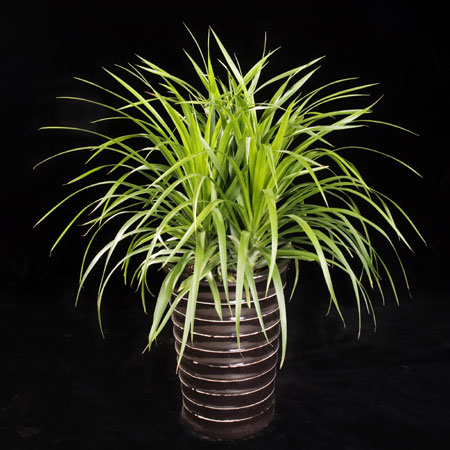
What are the cultivation methods and precautions for Dracaena?
Dracaena likes high temperature and humidity, and likes light; with sufficient light, the leaves are brightly colored. It is not cold-tolerant. In winter the temperature should be about 15°C, with a minimum temperature of 5~10°C. If the temperature is too low, due to insufficient water absorption by the roots, yellow-brown patches will appear at the leaf tips and leaf margins. Dracaena likes loose, well-drained soil rich in humus and nutrients.
A mixture of 1 part humus soil, 1 part peat soil, and 1 part river sand can be used as the substrate, and it can be cultivated under 70~80% shading. During the growing season, apply compound fertilizer 1~2 times a month, keep the soil moist, and in summer spray the leaves more to increase air humidity; the leaves will then be thicker and the leaf color brighter, and the tips are less likely to dry. In winter, protect it from the cold and keep it above 8°C; reduce watering of the potting soil, but frequently wetting the floor to increase humidity helps maintain leaf color and prevent dry tips. Plants of this genus have graceful leaf forms and are good materials for various indoor arrangements. If the humidity can be appropriately lowered before bringing them indoors so they adapt to a drier environment, and after bringing them indoors water is frequently sprayed on the leaves, they can be enjoyed indoors for a long time without dry leaf tips. Some plants damaged by indoor display, if the damage is not serious, can recover after being moved back to the production site and cared for for a period; some severely damaged plants are difficult to restore and can be used for propagation as seedlings; for example, some people throw away Dracaena fragrans after the leaves are damaged after being displayed for a while, which is a great pity. In fact, as long as the remaining branches are cut off about 2cm below the sprouting branch at the upper end of the stem and routine management is continued, new branches and leaves will sprout again after a period.
Dracaena likes a loose, fertile substrate with good permeability, and soilless cultivation methods can be used for cultivation and management. For the cultivation container, choose a beautiful and elegant Yixing purple clay pot, or select a high-grade porcelain pot from Jingdezhen City, Jiangxi Province. The substrate can be a thorough mixture of vermiculite, perlite, and peat soil. This substrate has good permeability, is clean, sterile, and odorless. When Dracaena is cultivated in this substrate in a high-grade container, it can go several years without repotting or changing the soil, and the plant's root system is well developed and the growth robust. For fertilizer and water management in soilless cultivation, the main thing is to apply nutrient solution. If the quantity cultivated is small, you do not need to specially prepare a nutrient solution, and can use the "Hongmei" and "Jinyue" brand nutrient solutions sold on the market. According to the instructions, add an appropriate amount of water, mix thoroughly, and then irrigate; alternatively, every 30 to 40 days, dig open the surface substrate and apply a granular slow-release fertilizer once. Water once every 3 to 5 days to keep the substrate moist. In summer, most areas are hot and dry; every day after 10 a.m. and after 6 p.m., use a fine-nozzle spray bottle to spray water in a mist onto the leaves to protect the beautiful and bright leaf color. During the winter dormant period, stop fertilizing and control watering. Generally place it indoors to overwinter, and water once every ten days to half a month, keeping the potting soil slightly dry and moist, so it can overwinter safely.
Dracaena likes warm, humid, and sunlit environments, but can also tolerate shade. However, when cultivated indoors, if placed in too shady an environment for a long time, the leaves will also fade. Therefore, it is best to place the flowerpot on a southeast-facing windowsill so it receives sufficient sunlight. If Dracaena is placed on a balcony for cultivation, when the summer sunlight is too strong, move the flowerpot indoors, especially at noon, and provide appropriate shading; generally a light level of 40-50% is sufficient, to avoid scorching the leaves with the blazing sun. Dracaena likes warmth and is not tolerant of severe cold. Its most suitable growth temperature is 20-28°C. If summer temperatures are high and the temperature exceeds 32°C, or if the winter temperature is lower than 15°C, Dracaena will enter a dormant or semi-dormant state. In the Yangtze River basin and areas to its south, after late October, Dracaena should be moved indoors one after another to prevent damage from early frost. Throughout winter, it is best to keep the room temperature between 10-20°C, and it must not be too low. At the same time, place the potted flower inside a south-facing window so sunlight falls directly on the plant, and rotate its position regularly so it receives even light. If there is no sunlight for a long time, you can turn on a light at night and place the Dracaena under a 40-watt light for artificial supplementary lighting to ensure the leaves remain beautiful. At night, place the Dracaena inside the curtains, and use thick curtains to block cold air, or place the flowerpot in a warm corner of the room, so it can overwinter safely.
When placed indoors in a pot, it should be 3-4 m from a south-facing windowsill or in a similar light location, and be careful to prevent direct strong light at noon. The amount of water should be balanced; potting soil that is too dry or too wet both have adverse effects, and excess water at the bottom of the pot can cause root rot, so use a highly drainage pad at the bottom of the pot; in summer it is best to water with rainwater. It requires moderate air humidity, Dracaena fragrans
Dracaena fragrans humidity: if the humidity is insufficient, the leaves may fall off. Frequently use misting to increase air humidity. On rainy days, place it outdoors to shower, which is beneficial to growth, but at the same time cover the potting soil with plastic sheeting to prevent waterlogging damage. Repot every April; new plants are repotted once a year, and older plants once every other year. Use a mixture of grass peat soil plus a small amount of coarse sand for the potting soil, and add a small amount of sesame residue or decomposed cake fertilizer to increase nutrients.
If the environment is unsuitable, there may be damage from scale insects, red spiders, or thrips. In addition, excessive ventilation, dryness, irregular watering, or excessive fertilizing can all cause the leaf tips to scorch. If the plant is clean, it generally does not easily attract pests.
What are the cultivation methods and precautions for Dracaena?
❤ ❤`•.¸¸.•´´¯`•Green plants. This article originates from [Decoration Information]
Dracaena's leaves are glossy green. They not only decorate the interior well, but also have a great effect on air purification. Glossy, emerald-green plants also make people feel happy when looking at them. Therefore, homes cannot do without the decoration of green plants. Dracaena is a relatively common foliage plant, with a graceful and neat plant shape and colorful leaf shapes and colors. It is an excellent foliage plant for modern interior decoration. Follow the editor to learn more about Dracaena in detail.
[Introduction to Dracaena]
Dracaena is also called maluo sugarcane tree. It mainly likes to grow in tropical regions. Mainly in Africa and southern Asia. Dracaena's tree form is very robust, and the leaf color presents a wide array of colors, bright and beautiful. The plant shape is graceful and neat, and the colors of the leaf shapes are varied. It is an excellent plant for interior decoration. It can also secrete a faint fragrance, so people call it Dracaena fragrans. The stem of Dracaena can secrete bright red resin, which is "dragon's blood", and from this Dracaena gets its good name.
[Cultivation Methods for Dracaena]
First: Soil.Dracaena likes loose, fertile sandy soil with strong permeability. You can also add an appropriate amount of organic fertilizer and ferrous sulfate to the nutrient soil. This is more conducive to its growth. You can also mix leaf mold soil with some sandy soil for cultivation.
Second: Watering.Dracaena grows in tropical regions, so its drought resistance is very good. Watering too much is not suitable. Too much may cause the trunk to rot and the roots to rot. To maintain normal moisture, water about once every 10 days.
Third: Light.Dracaena is not afraid of sunlight. But it still needs to avoid the scorching sun in summer. Dracaena likes warm, humid, and sunlit environments. With sufficient light, its colors become more brilliant, and the colors will also be more varied.
Fourth: Temperature.Dracaena is not cold-tolerant. In winter, the temperature of its growing environment is best at around 15°C, with a minimum temperature of 5~10°C. If the temperature is too low, due to insufficient water absorption by the roots, yellow-brown patches will appear at the leaf tips and leaf margins.
Fifth: Fertilizing.Dracaena should be fertilized with light fertilizer. When fertilizing, apply less nitrogen fertilizer and more phosphorus and potassium fertilizer. But any plant should avoid excessive nitrogen fertilizer; Dracaena will then show indistinct golden-yellow leaf markings. Winter is a dormant period, so stop fertilizing
Sixth: Pests. Dracaena has relatively few pests and diseases. If affected by pests and diseases, you can first spray insecticide on the plant stems, then cover it with plastic sheeting to suffocate the eggs or larvae. You can also peel open part of the bark, pick out the pests, and then spray pesticide to prevent spread.
[Precautions for Dracaena]
First:Dracaena likes warmth and fears severe cold, likes light but fears scorching sun exposure, and is most suitable for growing in a warm but not excessively hot environment. Spring, summer, and autumn are the vigorous growing seasons for Dracaena. During this period, there must be sufficient sunlight and moisture.
Second:During the winter dormant period, stop fertilizing and control watering. Generally overwinter it indoors, and water once every ten days to half a month. If there is no sunlight for a long time, you can turn on a light at night for artificial supplementary lighting to ensure the leaves remain beautiful.
Conclusion:It is an excellent foliage plant for modern interior decoration and can accent a study, living room, and bedroom. A good pot of Dracaena has a great effect in decorating and accenting the environment, but caring well for Dracaena also requires skill. I hope the above content can help everyone.
How to Grow Ficus elastica 'Black Prince' Cultivation Methods and Precautions for Dracaena?
?`?.??.?′′ˉ`?Related recommendations:
?African jasmine ?Rockery bonsai ?String of coins plant ?Hydroponic spider plant
?`?.??.?′′ˉ`?Green plants. This article originates from [Decoration Information]
Dracaena's leaves are glossy green. They not only decorate the interior well, but also have a great effect on air purification. Glossy, emerald-green plants also make people feel happy when looking at them. Therefore, homes cannot do without the decoration of green plants. Dracaena is a relatively common foliage plant, with a graceful and neat plant shape and colorful leaf shapes and colors. It is an excellent foliage plant for modern interior decoration. Follow the editor to learn more about Dracaena in detail.
[Introduction to Dracaena]
Dracaena is also called maluo sugarcane tree. It mainly likes to grow in tropical regions. Mainly in Africa and southern Asia. Dracaena's tree form is very robust, and the leaf color presents a wide array of colors, bright and beautiful. The plant shape is graceful and neat, and the colors of the leaf shapes are varied. It is an excellent plant for interior decoration. It can also secrete a faint fragrance, so people call it Dracaena fragrans. The stem of Dracaena can secrete bright red resin, which is "dragon's blood", and from this Dracaena gets its good name.
[Cultivation Methods for Dracaena]
First: Soil.Dracaena likes loose, fertile sandy soil with strong permeability. You can also add an appropriate amount of organic fertilizer and ferrous sulfate to the nutrient soil. This is more conducive to its growth. You can also mix leaf mold soil with some sandy soil for cultivation.
Second: Watering.Dracaena grows in tropical regions, so its drought resistance is very good. Watering too much is not suitable. Too much may cause the trunk to rot and the roots to rot. To maintain normal moisture, water about once every 10 days.
Third: Light.Dracaena is not afraid of sunlight. But it still needs to avoid the scorching sun in summer. Dracaena likes warm, humid, and sunlit environments. With sufficient light, its colors become more brilliant, and the colors will also be more varied.
Fourth: Temperature.Dracaena is not cold-tolerant. In winter, the temperature of its growing environment is best at around 15°C, with a minimum temperature of 5~10°C. If the temperature is too low, due to insufficient water absorption by the roots, yellow-brown patches will appear at the leaf tips and leaf margins.
Fifth: Fertilizing.Dracaena should be fertilized with light fertilizer. When fertilizing, apply less nitrogen fertilizer and more phosphorus and potassium fertilizer. But any plant should avoid excessive nitrogen fertilizer; Dracaena will then show indistinct golden-yellow leaf markings. Winter is a dormant period, so stop fertilizing
Sixth: Pests. Dracaena has relatively few pests and diseases. If affected by pests and diseases, you can first spray insecticide on the plant stems, then cover it with plastic sheeting to suffocate the eggs or larvae. You can also peel open part of the bark, pick out the pests, and then spray pesticide to prevent spread.
[Precautions for Dracaena]
First:Dracaena likes warmth and fears severe cold, likes light but fears scorching sun exposure, and is most suitable for growing in a warm but not excessively hot environment. Spring, summer, and autumn are the vigorous growing seasons for Dracaena. During this period, there must be sufficient sunlight and moisture.
Second:During the winter dormant period, stop fertilizing and control watering. Generally overwinter it indoors, and water once every ten days to half a month. If there is no sunlight for a long time, you can turn on a light at night for artificial supplementary lighting to ensure the leaves remain beautiful.
Conclusion:It is an excellent foliage plant for modern interior decoration and can accent a study, living room, and bedroom. A good pot of Dracaena has a great effect in decorating and accenting the environment, but caring well for Dracaena also requires skill. I hope the above content can help everyone.
▓ Recommended Reading
?How to grow water lilies ?How to grow Anthurium?Hydroponic tulips?Poppy cultivation?How to grow lilies
?Hydroponic tulips ?Agave pictures?How to grow water lilies?Iris pictures?Ficus elastica 'Black Prince'