Gladiolus Growing Methods and Photo Appreciation
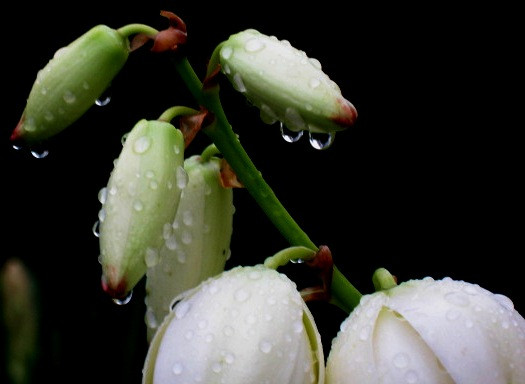
Gladiolus Growing Methods and Gladiolus Photos
"Gladiolus Growing Methods and Precautions" Today we introduce to flower lovers how to grow gladiolus. Gladiolus can be called one of the four great cut flowers of the world, and is extremely popular both domestically and abroad. Although there are many varieties of gladiolus, the growing methods are all the same. Gladiolus has brilliant flower colors, a long blooming period, and extremely decorative flower forms. It is mainly used for vase arrangements or for making bouquets and flower baskets. Besides being used as a cut flower, it is also suitable for potted cultivation and flowerbed landscaping.
Plant name: Gladiolus
Aliases: Gladiolus, Dutch gladiolus
Family: Iridaceae
Genus: Gladiolus
Flower colors: carmine, pink, orange-yellow, pure white, sky blue, and more.
Origin: Native to tropical Africa and the Mediterranean region.
Plant height: 80-170 cm.
Ecological habits: A light-loving long-day plant; during winter cultivation, light must be increased on cloudy days; it fears cold and freezing.
Optimal growing temperature: 20°C-25°C during the day, 10°C-15°C at night.
Gladiolus Growing Methods
It is a light-loving long-day plant, sensitive to cold and freezing, prefers cool climates in summer, and cannot tolerate excessive heat. The corm begins to sprout at 4-5°C; it grows best at 20-25°C. It prefers fertile, deep sandy soil and requires good drainage; it should not be planted in heavy clay soil prone to waterlogging. Summer growth in the Northeast and North China regions is better than in Guangzhou and Shanghai. In Shanghai it can safely overwinter outdoors in winter, while in the North the corms must be dug up and stored indoors for the winter.
Gladiolus propagation is mainly by corm division; new corms bloom the following year. To speed up propagation, the corms can also be cut into sections, each piece must have a bud and a root-forming area, the cut surface coated with plant ash, planted after slight drying. When breeding new varieties, seed propagation is mostly used; seeds collected in autumn are sown immediately with a high germination rate; in winter the seedlings are moved into a greenhouse for cultivation, and the following spring they are divided and planted outdoors; with strengthened management, some seedlings can bloom in autumn.
How to Grow Gladiolus
Gladiolus prefers cool conditions, is not cold-tolerant, and fears extreme heat. It requires loose, fertile, moist soil with good drainage. The optimal growing temperature is 20-25°C during the day and 10-15°C at night. Gladiolus is a long-day plant, with 16 hours of light per day being most suitable.
Medium: Gladiolus prefers fertile, well-drained sandy loam and avoids overly wet soil.
Watering: In the early cultivation stage, gladiolus should not be watered too much; during the growing period it needs constant watering to keep the potting soil moist; after the flower stalk emerges, mist the leaves 1-2 times a day to increase air humidity.
Fertilizing: Before and after gladiolus blooms, apply 1-2 times of well-rotted dilute organic fertilizer; after blooming, apply more potassium fertilizer to promote the growth of small corms.
Pruning: After blooming, simply cut off the spent flower stalks.
Buying tip: Choose plants with upright, thick stems and tall stature.
Precautions
Gladiolus corm diseases are relatively serious, so corm disinfection is an important measure. The method is to remove the corm skin, soak in clean water for 15 minutes, then soak in 80-times formalin solution for 30 minutes or 0.2% amobam for 10 minutes, then rinse with clean water before planting. In summer, high temperature and high humidity make it prone to damping-off disease. Besides spraying 1000-times thiophanate solution or combining with irrigation and applying 10 g of zineb per sq m for control, care should also be taken to avoid drooping flowers; if nematode damage is found, the seed corms should be dug up and burned, and besides soil disinfection, crop rotation must also be carried out.
Gladiolus Growing Methods and Gladiolus (Gladiolus hybrids) Information
Known as the "king of cut flowers," gladiolus, also called Gladiolus hybrids, can not only be used as a cut flower but is also suitable for potted cultivation and flowerbed landscaping. So how do you grow gladiolus? And what meanings do its flowers carry? Below, combining gladiolus photos, we will discuss gladiolus growing methods.
[Plant Profile]
——————————————————————————————————————
Chinese name: Gladiolus
Scientific name: Gladiolus hybrids
Aliases: Gladiolus, sword lily, flat bamboo lily, ten-pattern brocade, thirteen guardians
Family: Iridaceae
Genus: Gladiolus
Origin and distribution: Native to tropical Africa and the Mediterranean region; widely cultivated in North America, Western Europe, Japan, and various parts of China
Morphological characteristics: Perennial herbaceous plant. Gladiolus plants grow 80-170 cm tall, with alternate green leaves arranged in two rows, and flattened-round or oval corms with ring-like nodes. It has 6-9 sword-shaped leaves. The flower stalks emerge from the leaf cluster, reaching up to 1 m long, forming a spike inflorescence, with thirteen or fourteen flowers blooming on each stalk, each flower having 6 petals, with the upper 3 petals slightly larger, the petal edges having wavy folds, thin as silk, extraordinarily gorgeous, blooming from bottom to top, and when in full bloom they look like exquisite little trumpets. Flower colors include carmine, orange-yellow, pure white, sky blue, pastel, and more.
How to Grow Gladiolus?
———————————————————————————————————————————
◆Growth habits: A light-loving long-day plant, sensitive to cold and freezing, prefers cool climates in summer, and cannot tolerate excessive heat. The corm begins to sprout at 4-5°C; it grows best at 20-25°C.
◆Soil: Gladiolus prefers cool conditions, is not cold-tolerant, and fears extreme heat. It requires loose, fertile, moist soil with good drainage.
◆Watering: In the early cultivation stage, it should not be watered too much; during the growing period it needs constant watering to keep the potting soil moist; after the flower stalk emerges, mist the leaves 1-2 times a day to increase air humidity.
◆Fertilizing: Before planting gladiolus, sufficient base fertilizer should be applied to the soil, with fertilizer types rich in phosphorus and potassium being best. Before and after blooming, apply 1-2 times of well-rotted dilute organic fertilizer; after blooming, apply more potassium fertilizer to promote the growth of small corms.
◆Pruning: After blooming, simply cut off the spent flower stalks.
◆Sunlight: Gladiolus is a long-day plant, with 16 hours of light per day being most suitable.
◆Temperature settings: The optimal growing temperature is 20-25°C during the day and 10-15°C at night. Gladiolus is a long-day plant, with 16 hours of light per day being most suitable.
◆Pests and diseases: The copper green chafer beetle (Anomala corpulenta) damaging gladiolus is widely distributed and causes serious damage in China. Both adults and larvae can cause damage, with larvae causing the most severe harm. It mainly causes damage by larvae feeding on germinating seeds in the soil, causing missing plants and broken rows; biting through root stems and root systems, causing plants to wither and die, and the wounds are easily invaded by pathogens, causing plant diseases.
[More Plant Encyclopedia]
Symbolic meaning of lilies Platycodon grandiflorus photos How to grow anthurium Sweet pea Happiness tree photos How to grow moss Radiation-absorbing flowers
Cuban oregano Cactus When do cherry blossoms bloom Potted grapes What plants absorb formaldehyde Gardenia leaves turning yellow How to grow spider plant
Calla lily flower language How to grow bamboo fern How to grow hyacinth Potted lotus How to make a money tree bloom Radiation-absorbing plants Four-season begonia
Gladiolus Flower Language Introduction, Gladiolus Growing Methods and Precautions
Gladiolus is native to South Africa, with diverse flower colors, mainly red, yellow, purple, and blue as the primary colors. It is now cultivated throughout the world, with major cultivating countries including the United States, the Netherlands, and Japan. It is an extremely important fresh cut flower, widely used for decoration, flower arrangements, and more. Below, wed114 introduces gladiolus flower language, gladiolus growing methods and precautions!
Gladiolus Growing Methods
Gladiolus Growth Characteristics
Gladiolus is a sun-loving plant that prefers to grow in sunny locations, but when planting in summer, note that gladiolus prefers cool climates in summer and cannot tolerate heat, so it must not be exposed to intense sun. Gladiolus growth is not cold-tolerant, so winter planting requires protection from cold. Its main growing areas are in the Northeast, North China, and southern Guangzhou, Shanghai, and other places. Generally, gladiolus grown in the North needs to overwinter indoors, while in the South it can safely overwinter outdoors. The gladiolus growing environment requires soil with good drainage, preferably sandy soil, and it should not be planted in waterlogged areas.
Gladiolus Growing Methods
Gladiolus Flower Language
Gladiolus is generally used as a flower to express feelings of remembrance, and can also be used to express love and longevity. In Chinese perception, gladiolus is used as a blessing plant, symbolizing rising step by step and solidity, as well as fortune and prosperity, and is a common choice for congratulatory flower baskets. In European and American countries where gladiolus is grown, it is said that gladiolus is the embodiment of a warrior's treasured sword for slaying dragons, and can protect homes, which is why it is often used as a garden plant. Gladiolus expresses love, and its flower language is "tryst," but the flower language extended from this basis also includes "heartfelt dedication," because although a tryst can elevate a relationship, heartfelt dedication is even more important.
Gladiolus Growing Methods
The potting medium should not only be rich in humus and fertile but, more importantly, loose, well-aerated, well-drained, and slightly acidic. You can buy a pre-mixed growing medium, or mix your own evenly blended potting soil according to the following recipe: leaf mold (or peat soil) 1/2-3/4, river sand (not too fine) 1/4-1/2, mixed with 3%-5% well-rotted chicken manure, cake fertilizer, and other quality organic fertilizers, as well as bone meal.
Gladiolus Growing Methods
The optimal temperature in summer is 25-30°C, and in winter 15-18°C, with the minimum temperature not below 12°C. When temperatures are high, you can mist the plants. Soft sunlight makes the leaves more beautiful. During the growing season, water generously, and also pour some water into the rosette leaf cups. After each watering, wait until the potting soil is fairly dry before watering a second time; do not overwater. In winter, the potting soil should be slightly drier. During the vigorous growth period from May to September, fertilize once every two weeks. In addition, phosphorus and potassium fertilizers should be applied twice more.