Is Geranium Toxic? Detailed Guide to Growing Methods and Precautions
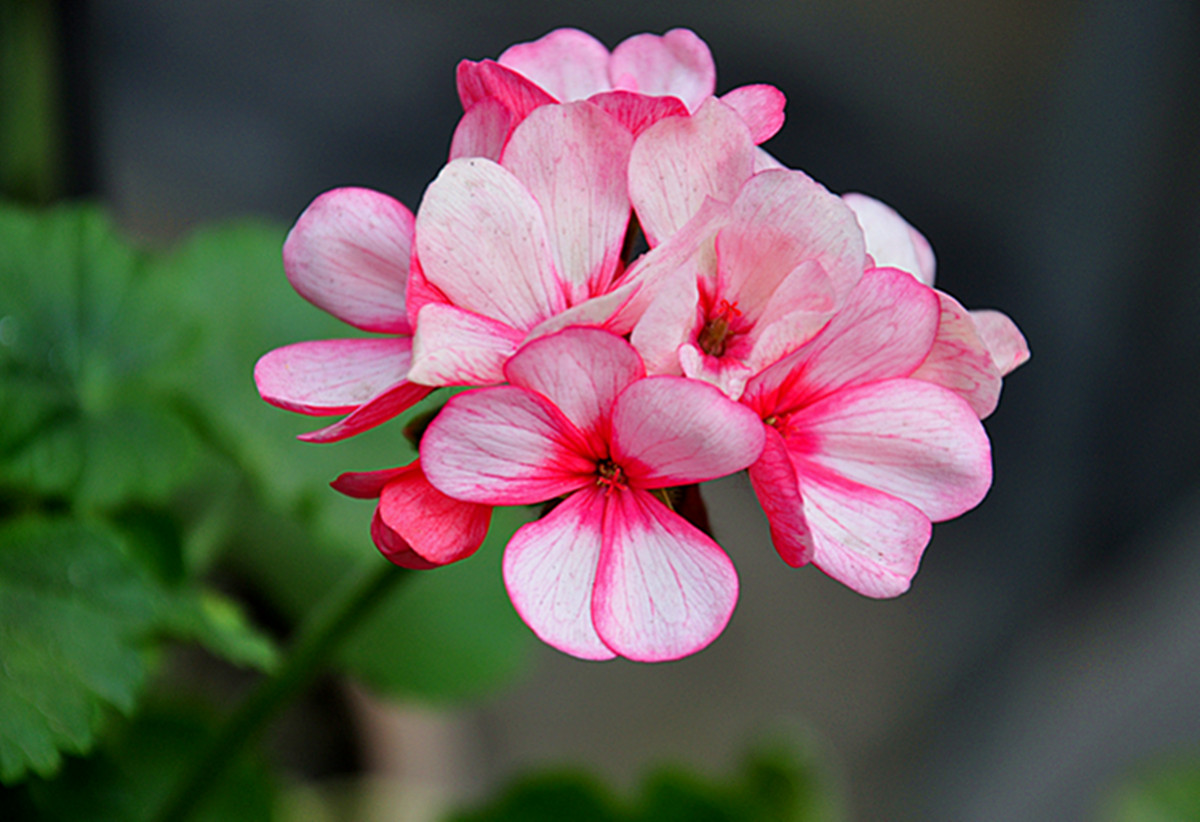
Is Geranium Toxic? Geranium Growing Methods and Precautions
Temperature control: The most suitable temperature for geraniums is 10-20°C, which means spring and autumn are the most suitable seasons; winter is too cold and summer is too hot. So in summer, be sure to prevent exposure to direct sunlight. Sunscreen is definitely useless; just put it in a shady place. In winter, the indoor temperature should not fall below 0°, otherwise it will suffer cold damage. If there is no heating equipment, turning on a 200° large light bulb in a small room also has a certain anti-freezing effect.
Water control: Geraniums should not be overwatered. If you find that the roots of the geranium have rotted, it is most likely caused by excessive watering and relatively muggy weather. Control the watering frequency to once every two or three days. Each watering should be generous and thorough.
Soil selection: Geraniums are suited to sandy soil. Mixing some sandy soil into soil bought at a flower market will work better.
Pay attention to pest and disease prevention: Leaf spot and wilt are prone to developing on geraniums. If yellowing and withering appear at the leaf edges, you should consult a professional flower seller, and do not handle it carelessly.
Prevent the effects of bad weather: Windy weather will snap geraniums, while heavy rain will cause the geranium's root system to be soaked by rainwater, resulting in oxygen deprivation at the roots and thus rot. Therefore, to grow geraniums well, you need to pay attention to the weather forecast.
Fertilizer control: Applying too much fertilizer at one time will cause dehydration in geraniums, but the author cannot tell you exactly how much fertilizer is appropriate, because this depends on the quality of your soil, the size of the flowerpot, and the size of the geranium. It is best to ask the shop when buying the flowers about the amount and frequency of fertilization. If you apply too much fertilizer, for example too much nitrogen fertilizer, the plant will grow excessively and fail to bloom. That will lower the value of your geranium. After over-fertilizing, watering more frequently can relieve the symptoms.
Sufficient sunlight: Sufficient sunlight helps geraniums bloom, but when the temperature is too high, they should not be exposed to direct sunlight. You need to control this well: give them more sun in spring and autumn, and in summer, be careful not to expose them to the sun when the temperature is too high.
Is Scented Geranium Toxic? Scented Geranium Growing Methods
Scented geranium is one of the varieties of geranium. The plant has a volatile fragrance, so many people like to grow it in pots to decorate their homes, and scented geranium also has the effect of repelling mosquitoes. So is the fragrant scented geranium toxic? What are the growing methods for scented geranium? Let's take a look:
Basic information about scented geranium:
Scented geranium is a type of geranium native to southern Africa, especially South Africa. They are sometimes called cranesbill or mosquito-repellent grass because they belong to the same family, Geraniaceae, but they actually belong to the genus Pelargonium. Scented geranium holds a very important position in the perfume industry. They are widely cultivated and the leaves are distilled for fragrance.
Scented geranium is widely popular because the plant has a volatile fragrance. It can be used to make essential oil, whose main components include geraniol, citronellol, linalool, and others. Scented geranium has many scents, including rose, citrus, mint, coconut, and cardamom, as well as various fruit scents. Because cultivation and management are easy and essential oil yield is high, it can serve as a substitute for other essential oils with low yields, such as rose essential oil or neroli essential oil.
A common name for scented geranium is rose geranium.
In addition, the leaves of scented geranium are not the "bay leaf" used as a cooking spice. Bay leaf is the leaf of the laurel tree.
Is scented geranium toxic?
Geranium essential oil is formed from more than 30 kinds of terpenoid compounds and their derivatives. Its main components include geraniol, citronellol, linalool, citronellyl formate, geranyl formate, and menthone. Scented geranium oil can be used as a substitute for rose oil to blend fragrances and as an additive in foods, soaps, and toothpaste.
Through the inheritance behavior of plant flower color or leaf spots, it is helpful to establish a genetic model for the aroma components of scented geranium. Gas chromatography-mass spectrometry (gas chromatography, mass spectrometry, gas chromatography/mass spectrometry) was used to analyze the aroma components of scented geranium. From these results, its inheritance behavior was deduced, and then the correctness of the model was verified through controlled cross combinations. The purpose is to provide material selection for future crossbreeding, or to find special components in the aroma for variety identification of scented geranium.
Overall, geranium is not very toxic, but the particles released by geranium can cause skin allergies and itching in people, so it is better not to use it during pregnancy.
Growing methods for scented geranium:
1. Soil:Geranium requires fertile, well-drained soil. For potting soil, use 1/3 leaf mold, 1/3 chaff ash, and 1/3 garden soil, then add a small amount of superphosphate and mix evenly.
2. Watering:Geranium is drought-tolerant and afraid of waterlogging. Therefore, during growth, follow the principle: "Do not water when dry; when watering, water thoroughly; better dry than wet," and control water appropriately. Too much watering and excessive water content in the potting soil will cause leggy growth or root rot. During the vigorous growth and flowering period in spring and autumn, you may water a little more, but it is still best to keep the potting soil moist. In winter, when temperatures are low and plant growth is slow, water as little as possible.
3. Light:Geranium originated in South Africa and likes environment conditions with ample sunlight, warmth, and good ventilation. In spring and early summer, when sunlight is not too strong, the flowerpot can be placed in a place with ample light so it receives sufficient sunlight. But in the hot seasons of midsummer and early autumn, it should be placed in shade and avoid direct strong light, otherwise the branches and leaves will be scorched.
4. Temperature:The suitable growth temperature is 15-25 degrees, and it is not tolerant of high temperatures, growing poorly in summer.
5. Fertilizing:During cultivation, in addition to applying sufficient base fertilizer, during the growing season, especially at peak flowering, apply a thin liquid fertilizer once every 7-10 days. Diluted decomposed livestock and poultry manure with water is even better, and decomposed cake fertilizer water can also be used for watering. Three to five days before fertilizing, water less or not at all; watering when the potting soil is on the dry side is more conducive to root absorption.
6. Pruning:To make the plant shape attractive and produce more flowers, if the plant grows too vigorously in spring, branch thinning and pruning can be carried out. After flowering, promptly cut off faded flowers and overly dense branches. During the dormant period, prune once more, cutting off yellowed old leaves, thinning overly dense branches, and shortening overly long branches, so that after the dormant period ends, new branches can sprout and continue to form buds and bloom. In addition, geranium itself has a special odor and rarely suffers from pests. Therefore, no control is needed.
Scented Geranium Essential Oil Prices
Scented geranium is an excellent herbaceous flowering plant. It is most popular in the perfume world, so it is widely made into essential oil and other products. A drop of scented geranium essential oil makes people feel relaxed and comfortable. As for the price of scented geranium, generally only a few dozen yuan is enough to buy a bottle. Of course, for some high-end essential oil products, the price is over a hundred yuan.
Afu/Afu Geranium Essential Oil 10ml Price: ¥238.00
Isilandon Geranium Single Essential Oil 10ml Price: ¥129.00
UK AA Network Essential Oil Geranium Essential Oil 10ml Price: ¥79.00
AFU Afu Geranium Essential Oil 10ml Price: ¥188.00
Meishantang Geranium Single Essential Oil 10ml Price: ¥219.00
Qianzilan Authentic Pure Plant Geranium Single Essential Oil Second Generation 10ml Price: ¥185.00
Florihana Rose Geranium Essential Oil 5g Price: ¥192.00
Is scented geranium toxic? From the introduction above, I believe everyone can understand that scented geranium is not toxic, but it can cause allergic reactions in some people, so if you are allergic to scented geranium, do not use it. For more information about indoor plants, please follow the Flowers section.
Is Geranium Toxic? Geranium Propagation Methods
Geraniums can be elegant or gorgeously colorful, and are deeply loved by people. They are often placed indoors as potted plants, serving to purify and decorate. So do you know whether geraniums are toxic? Below we will tell you the answer and the propagation methods for geraniums.
Is geranium toxic?
Geranium itself is non-toxic, and everyone can grow it at home with peace of mind. Of course, for people with allergic constitutions, its pollen can easily cause allergic reactions in allergic skin types, so placing geraniums indoors should be avoided. The scent of geranium is a bit like rose and a bit like mint. Not only is it non-toxic, it can also regulate hormones, stimulate lymphatic detoxification, and balance skin oil secretion. At the same time, geranium is also a very good insect repellent. During pregnancy, or when there are infants at home, it is also unsuitable to place geraniums, because pregnant women and infants are relatively sensitive and may develop allergies and other conditions due to the stimulation of geranium.
Geranium propagation methods:
1. Seed propagation
This can be done in spring and autumn, with indoor pot sowing in spring being preferable. The suitable germination temperature is 20-25°C. Geranium seeds are not large, so after sowing, the covering soil should not be deep; they sprout in about 2-5 days. If sown in autumn, they can bloom in summer the following year. Seedlings propagated by sowing can be selected to breed excellent intermediate-type varieties.
2. Cutting propagation
Except when geraniums are in a semi-dormant state from June to July, cuttings can be taken at any time. Spring and autumn are preferable. In summer, when temperatures are high, cuttings easily turn black and rot. Choose cuttings 10 cm long, with the top part being best, as it has vigorous growth and roots quickly. After cutting the cuttings, let the cut ends dry for several days to form a thin film, then insert them into a sand bed or a mixed substrate of expanded perlite and peat. Be careful not to damage the stem skin of the cuttings, otherwise the wounds will easily rot. After inserting, place them in a semi-shaded place and maintain a room temperature of 13-18°C. They root 14-21 days after insertion, and can be potted when the roots are 3-4 cm long. During the cutting process, soaking the base of the cuttings in 0.01% indolebutyric acid solution for 2 seconds can increase the survival rate and rooting rate of cuttings. Generally, geranium cuttings bloom after 6 months of cultivation, that is, cuttings taken in January bloom in June; cuttings taken in October bloom in February-March of the following year.