How to Grow Peperomia obtusifolia 'Green Leaf'? Detailed Guide to Cultivation Methods and Precautions
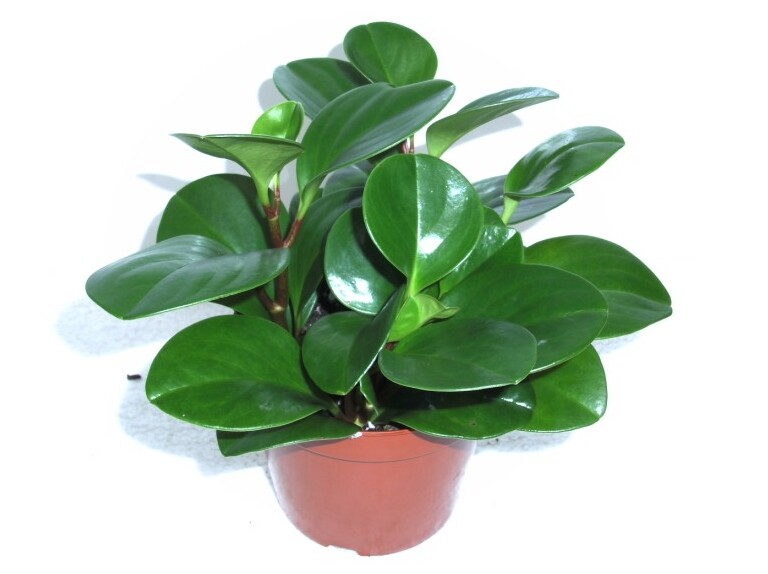
Cultivation Methods and Precautions for Peperomia obtusifolia 'Green Leaf'
Choosing a Flower Pot for Peperomia obtusifolia 'Green Leaf'
This has no great requirements for the plant; you only need to buy a somewhat refined purple clay pot or a small porcelain pot from the flower market, and either will do.
Potting Soil for Peperomia obtusifolia 'Green Leaf'
The soil for cultivating Peperomia is best a culture soil with relatively high humus content, and the potting soil can also be a mix of 4 parts peat soil or leaf mold plus sawdust and perlite or river sand, and 3 parts garden soil.
Watering Requirements for Peperomia obtusifolia 'Green Leaf'
Watering in summer and winter is clearly different. Generally, in summer we can water once every 2-3 days, while in winter the frequency should be reduced by half, and if it is in its growing period we can spray water on its stems and leaves 1-2 times a day, which can very well keep its leaves green and fresh. This is especially important during relatively dry climates and the high-temperature summer season.
Fertilizing Requirements for Peperomia obtusifolia 'Green Leaf'
Peperomia is relatively strict about fertilizer requirements, but it is also the most afraid of random fertilizing. You can choose to buy some fertilizer specially used for flowers from the market; for such a small potted plant, one bag of fertilizer can last about two months.
Temperature Requirements for Peperomia obtusifolia 'Green Leaf'
Because it is a plant that likes warmth, the growing temperature is generally best required to be between 18-30 degrees.
Environmental Requirements for Peperomia obtusifolia 'Green Leaf'
Within the cultivation space, the relative humidity in the air of the growing environment is best required to be between 60-70 percent.
Light Requirements for Peperomia obtusifolia 'Green Leaf'
People who love plants should all know that most indoor plants are afraid of direct strong light, so we generally only place it in a semi-shaded spot for care. Or we shade most of the direct strong light for it, and when it is generally kept indoors we should also try to place it in a bright spot.
Precautions for Growing Peperomia obtusifolia 'Green Leaf'
When growing Peperomia obtusifolia 'Green Leaf', pay attention to preventing and controlling pests and diseases. Generally, with proper care pests and diseases are not likely to appear. The main pest is red spider mites, which can be directly wiped off with a damp cloth or controlled by spraying pesticide.
Cultivation Methods and Precautions for Peperomia obtusifolia 'Green Leaf'
Peperomia obtusifolia 'Green Leaf' is generally also used as a potted ornament. It is widely welcomed for its bright gloss and natural green color, and this plant can also be used medicinally. So it is also an important part of Chinese herbal medicine. Below we introduce the cultivation methods for Peperomia obtusifolia 'Green Leaf'. Welcome to read.
Choosing a Flower Pot for Peperomia obtusifolia 'Green Leaf'
This has no great requirements for the plant; you only need to buy a somewhat refined purple clay pot or a small porcelain pot from the flower market, and either will do.
Potting Soil for Peperomia obtusifolia 'Green Leaf'
The soil for cultivating Peperomia is best a culture soil with relatively high humus content, and the potting soil can also be a mix of 4 parts peat soil or leaf mold plus sawdust and perlite or river sand, and 3 parts garden soil.
Watering Requirements for Peperomia obtusifolia 'Green Leaf'
Watering in summer and winter is clearly different. Generally, in summer we can water once every 2-3 days, while in winter the frequency should be reduced by half, and if it is in its growing period we can spray water on its stems and leaves 1-2 times a day, which can very well keep its leaves green and fresh. This is especially important during relatively dry climates and the high-temperature summer season.
Fertilizing Requirements for Peperomia obtusifolia 'Green Leaf'
Peperomia is relatively strict about fertilizer requirements, but it is also the most afraid of random fertilizing. You can choose to buy some fertilizer specially used for flowers from the market; for such a small potted plant, one bag of fertilizer can last about two months.
Temperature Requirements for Peperomia obtusifolia 'Green Leaf'
Because it is a plant that likes warmth, the growing temperature is generally best required to be between 18-30 degrees.
Environmental Requirements for Peperomia obtusifolia 'Green Leaf'
Within the cultivation space, the relative humidity in the air of the growing environment is best required to be between 60-70 percent.
Light Requirements for Peperomia obtusifolia 'Green Leaf'
People who love plants should all know that most indoor plants are afraid of direct strong light, so we generally only place it in a semi-shaded spot for care. Or we shade most of the direct strong light for it, and when it is generally kept indoors we should also try to place it in a bright spot.
Precautions for Growing Peperomia obtusifolia 'Green Leaf'
When growing Peperomia obtusifolia 'Green Leaf', pay attention to preventing and controlling pests and diseases. Generally, with proper care pests and diseases are not likely to appear. The main pest is red spider mites, which can be directly wiped off with a damp cloth or controlled by spraying pesticide.
Peperomia, Cultivation Methods and Precautions for Peperomia, Peperomia obtusifolia 'Green Leaf', Peperomia Pictures
Peperomia
Peperomia is a perennial evergreen herbaceous plant in the Piperaceae family, genus Peperomia. It is full of green and vigorous, very beautiful. Peperomia has emerald-green leaves, stays evergreen through the four seasons, and has a handsome plant shape, making it an excellent indoor potted foliage flower. It is suitable for small and medium pots and is one of the ideal decorative flowers for the home.Peperomia Pictures
I. Basic Information on Peperomia
Peperomia obtusifolia 'Green Leaf' is also called Peperomia, pepper grass, and emerald pepper grass. It is a perennial evergreen herbaceous plant in the Piperaceae family, genus Peperomia. The plant height is 20-25 cm, the stem is round, branched, light green with purplish-red markings. Leaves are alternate, slightly fleshy, long elliptical, deep green, glossy, up to 15 cm long, with a wedge-shaped base and short petioles. Peperomia spike inflorescence, 2.5-18 cm long, small flowers greenish-white, the peduncle shorter than the spike, smooth and hairless. The fruit has a curved, sharply pointed beak. It is the representative species of upright peperomia.
Cultivation Methods and Precautions for Peperomia
Cultivation Methods and Precautions for Peperomia - Substrate Requirements
Substrate: It likes to grow in loose, fertile, well-drained sandy soil rich in humus, and grows poorly in clay. A general substrate mix can be leaf mold + river sand + a small amount of decomposed organic fertilizer, or if conditions permit, peat soil mixed with perlite can be chosen for cultivation.
Light Requirements
Light: It likes semi-shade or scattered light. Apart from needing sufficient light in winter, it needs a little shading in other seasons, especially in summer when more shading is needed. If placed in a shaded environment, it tends to grow leggy, with increased internode length, reducing its ornamental value, which is also not advisable. Under semi-shaded conditions, the leaf color is brighter and the gloss better, especially for variegated varieties, which have slightly higher sunlight requirements.
Peperomia Flower
I. About Peperomia Flower
The plant height is 20-25 cm, the stem is round, branched, light green with purplish-red markings. Leaves are alternate, slightly fleshy, long elliptical, deep green, glossy, up to 15 cm long, with a wedge-shaped base and short petioles. Spike inflorescence, 2.5-18 cm long, small flowers greenish-white, the peduncle shorter than the spike, smooth and hairless. The fruit has a curved, sharply pointed beak. It is the representative species of upright peperomia.
II. Cultivation of Peperomia Flower
Peperomia likes a warm, humid, semi-shaded environment. The suitable growing temperature is around 25°C, and it must not go below 10°C. It is not tolerant of high temperatures, requires relatively high air humidity, and avoids direct sunlight; it likes loose, fertile, well-drained moist soil. Growing environment Water: It likes moisture, and during the growing period from May to September it should be watered more.
Peperomia obtusifolia 'Green Leaf'
Peperomia obtusifolia 'Green Leaf' is also called Peperomia, pepper grass, and emerald pepper grass; a modest beauty; it is a perennial evergreen herbaceous plant in the Piperaceae family, genus Peperomia. The plant height is 20-25 cm, the stem is round, branched, light green with purplish-red markings. Leaves are alternate, slightly fleshy, long elliptical, deep green, glossy, up to 15 cm long, with a wedge-shaped base and short petioles. Spike inflorescence, 2.5-18 cm long, small flowers greenish-white, the peduncle shorter than the spike, smooth and hairless. The fruit has a curved, sharply pointed beak. It is the representative species of upright peperomia.
Flower language: neutral and fair
Does Peperomia Flower Protect Against Radiation?
As a dark green herbaceous plant, the effects and functions of the Peperomia flower actually cannot play a role in radiation protection. On the contrary, the Peperomia flower can also be used medicinally. The effects and functions of the Peperomia flower are generally shown in two uses:
First: External use of the Peperomia flower can treat bruises and fractures.
Second: It has ornamental value.
If you want radiation protection, everyone can choose other plants that are representative of resisting radiation. I believe everyone, knowing the effects and functions of the Peperomia flower, will no longer blindly think that the Peperomia flower can resist radiation.
The Uses of Peperomia
Peperomia obtusifolia 'Green Leaf' can be used medicinally. According to traditional Chinese medicine theory, taken internally it can dispel wind and remove dampness, relieve cough and eliminate phlegm. Applied externally it can treat bruises and fractures, so it is also an important part of Chinese herbal medicine.
Dispels wind and removes dampness, relieves cough and eliminates phlegm, activates blood and relieves pain. Used for rheumatic muscle and bone pain, pulmonary tuberculosis, bronchitis, asthma, whooping cough, pulmonary abscess, infantile malnutrition, dysmenorrhea; external use to treat bruises and fractures.
Peperomia obtusifolia 'Green Leaf' absorbs carbon dioxide at night and produces oxygen, so it can be grown indoors, but as for the radiation protection function currently claimed online, it does not exist. To protect against radiation, you should use professional radiation protection clothing and the like.
Related Encyclopedia
Pocket scale non-woven bag lamp grass bamboo shoot crab claw Redmi Note 3 YKK zipper YBS zipper Prunus sargentii climbing rose wild senna winter plum green pine wristwatch Omega Longines famous watch children's building blocks flint Cremastra appendiculata curling iron sugar apple