What to Do When Kalanchoe Leaves Turn Yellow? Detailed Guide to Growing Methods and Precautions
Once a kalanchoe blooms, each flower is like a bouquet in itself - very large, very neat, and very beautiful. But what should you pay attention to when growing kalanchoe? Why do the leaves turn yellow during the growing process? Come take a look with Women's Web:
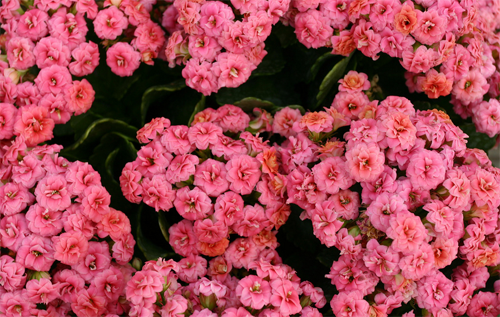
Growing methods for kalanchoe:
1. Suitable growing temperature
Generally, the suitable growing temperature for kalanchoe is 15°C to 25°C. Temperatures that are too high or too low will cause the kalanchoe to enter a dormant state, affecting its growth needs. Therefore, during cultivation, take care to avoid exposure to strong sun in summer, and when winter temperatures are too low, the kalanchoe can be moved indoors for growing.
2. Sufficient water
As for the growing habits of kalanchoe, it belongs to the drought-tolerant type of flowering plant, so kalanchoe does not need large amounts of watering. Generally, watering once every 3-4 days or so is enough, and mainly keeping the potting soil moist is sufficient. Also note that in humid seasons you should mainly control watering to prevent excessive water from causing root rot in kalanchoe.
3. Suitable light duration
Kalanchoe generally likes to grow in an environment with plenty of sunlight, but aside from taking care to prevent exposure to strong sun in summer, in general seasons it can be placed in a sunny spot. If kalanchoe is kept in a shady environment for a long time, it is not conducive to its growth needs, and it will also easily drop leaves and fail to bloom.
4. Moderate fertilizing
During the growth period, kalanchoe also needs sufficient nutrients. Therefore, during the peak growing season of kalanchoe, take care to apply a compound liquid fertilizer once every two weeks or so, which helps promote the growth needs of kalanchoe and helps kalanchoe produce more abundant flowers.
5. Pest and disease control
As the environment becomes milder, kalanchoe also becomes very susceptible to infection by pests and diseases. Take care to keep indoor ventilation to prevent pests and diseases from entering the room, and also mainly use some insecticides to prevent pest and disease infection. The main diseases include downy mildew and anthracnose.
Precautions for growing kalanchoe:
1. During the hot summer, provide appropriate shade around midday, and ensure ventilation and cooling. If it cannot receive sufficient sunlight for a long time, the branches will become thin and weak, the flower color will become dull, the flowers will wither, and the leaves will soften and fall off, affecting its ornamental value.
2. The ambient temperature should be maintained above 12°C. If the temperature is too low, the leaf edges will turn red and flowering will be delayed.
3. Kalanchoe is a short-day flowering plant. Flower buds can only differentiate in an environment with a temperature of 20°C and 8 hours of sunlight. After the flower buds have formed, according to the plant's light requirements for flowering, in summer let it receive scattered light every day before 10 a.m. and after 4 p.m., avoid strong sunlight during the midday period, use a shade net to block 40% of the light, and at night place it under a fluorescent lamp as much as possible. In this way, it can continue to bloom in summer.
4. Kalanchoe is generally repotted once from September to October. Use a mix of peat, vermiculite and garden soil in a 2:2:1 ratio for the potting soil. After repotting, gradually increase light and begin top-dressing with fertilizer.
What to do when kalanchoe leaves turn yellow?
1. Natural metabolism
How to judge: The leaves at the bottom of the kalanchoe will naturally wither and turn yellow at times, and this usually does not affect the top leaves, so some yellowing leaves at the bottom are normal.
Solution: For the sake of appearance, usually just trim off the yellowing leaves.
2. Exposure to strong sun
How to judge: Although kalanchoe likes light, it should not be exposed to strong sun. If the kalanchoe leaves begin to dry out from the edges, it may be caused by exposure to strong sun.
Solution: Move the kalanchoe to a shady spot, water it appropriately, and trim off the severely withered and yellow leaves.
3. Overwatering
How to judge: If the leaves first become soft and then turn yellow, it may be due to waterlogging, that is, overwatering.
Solution: You can take the kalanchoe out to get some sun. Once the leaves at the edges have dried out, use scissors to cut off the dried parts. The remaining leaves will heal themselves in a few days, and new buds will gradually grow out.
Note:
1. Kalanchoe leaves are fleshy leaves, drought-tolerant but not waterlogging-tolerant. If it is hot, water once a week; when it is not hot, watering once every ten days is enough.
2. Excessive fertilizing can also cause leaves to turn yellow. Usually, applying an appropriate amount of fertilizer when turning the soil is enough. For potted plants, turning the soil 1-2 times a year is suitable.
These are the growing methods for kalanchoe and the ways to deal with yellowing leaves. Do take care not to let it die.
How to Grow Kalanchoe: Growing Methods and Precautions for Kalanchoe
Every year around the Spring Festival, large numbers of kalanchoe appear on the flower market. The flowers are brightly colored, highly glossy, and of particularly high ornamental value, and they also carry an auspicious meaning. People all like to buy potted plants to grow at home. But many people do not understand the growing methods for kalanchoe, nor do they know what to pay attention to when growing kalanchoe, so the kalanchoe they bought does not live long at home before dying. What should be done about this?
Growing methodsKalanchoe is a green flowering plant that likes a warm, humid environment with plenty of sunlight. Normally it likes to grow in a warm environment with a temperature between 15°C and 25°C. When the temperature is above 30°C, it grows slowly, and below 10°C it stops growing. In addition, growing kalanchoe requires giving it sufficient light. If there is not enough light, the plant will become leggy, or the branches will be weak and small, the leaves thin and small, and the number of flowers will decrease noticeably, greatly lowering its ornamental value.
Precautions1. Light adjustment
Light adjustment is the thing people should pay most attention to when growing kalanchoe. Kalanchoe likes sufficient sunlight, but it cannot be placed in an environment with direct sunlight all year round. Especially after summer arrives, when the sunlight is strong, appropriate shading should be provided around midday, or it should be moved indoors. Otherwise, overly strong sunlight will cause kalanchoe leaves to turn yellow.
2. Repot in time
Although kalanchoe is a perennial herbaceous plant, after two years of growing, its old roots will begin to rot. In order to make the kalanchoe grow more robustly, it should be repotted every 1 to 2 years. When repotting, cut off the rotten old roots. If the plant is too large, it can also be divided. This can make the kalanchoe grow more vigorously. In addition, when growing kalanchoe in winter, attention should also be paid to cold protection. The indoor temperature where the kalanchoe is placed should not be lower than 10°C, otherwise its leaves will turn red and the flowering period will be affected.
How to Grow Potted Kalanchoe: Growing Methods and Precautions for Kalanchoe / Sufficient Light
Kalanchoe, as its name suggests, carries the meaning of long life. Its plant is small and delicate, with emerald green leaves. It is a flowering plant very suitable for growing indoors and is deeply loved by flower enthusiasts. So how do you grow potted kalanchoe? Actually, kalanchoe is quite easy to keep alive, but during the growing process, there are some points we need to pay attention to. The following are the growing methods and precautions for kalanchoe. Come learn about them with the editor.
1. How to Grow Potted Kalanchoe: Sufficient Water
In daily life, kalanchoe is an ideal potted flower for giving to relatives, friends and elders, so it is very necessary to know how to grow kalanchoe, because then you can teach your relatives and friends. Overall, kalanchoe has requirements for soil, temperature, water and light, especially light, which must be sufficient. As for the specific requirements, let us continue reading below.
2. Growing Methods and Precautions for Kalanchoe
1. Soil: loose and fertile
For potted kalanchoe, the first thing to choose is certainly the soil. It cannot be grown in heavy clay soil, otherwise it will lead to poor growth, root rot and leaf drop, and in severe cases cause the plant to die. The potting soil should be prepared by mixing 4 parts leaf mold, 4 parts garden soil, 2 parts river sand, plus a small amount of bone meal. This kind of growing medium is loose and fertile, has good drainage, and is slightly acidic, which is beneficial to root development.
Precautions: Kalanchoe grows best when planted in a porous earthenware pot, but this is not attractive when placed indoors. It can be placed inside a plastic or porcelain pot, or directly planted in a small purple clay pot or plastic pot. When planting, put a layer of crushed charcoal pieces or crushed hard plastic foam pieces at the bottom of the pot to enhance its permeability.
2. Watering: do not overwater
Like other succulent flowering plants, kalanchoe contains a relatively large amount of water in its body and has strong drought tolerance, so it does not need large amounts of watering. During the growth period, just water thoroughly once every 2-3 days and keep the potting soil slightly moist. In summer, because water is lost quickly, it can be watered once every evening. In cold winter, kalanchoe enters its dormant period, so watering should be controlled.
Precautions: When the temperature is low in winter, watering should be controlled even more, or even not done for a short time. If watered too much and drainage is poor, the potting soil will be too wet, which easily leads to root rot.
3. Light: keep it sufficient
Kalanchoe likes sufficient sunlight. When grown at home, it should be placed in a spot with direct sunlight all year round. Kalanchoe is phototropic, so during the growth period, care should be taken to frequently change the direction of the flower pot and adjust the light so that the plant receives light evenly and the branches develop symmetrically in all directions. If the pot is not turned for a long time, the plant will grow toward one side, affecting its ornamental effect.
Precautions: In the hot summer of the north, the light intensity is high, which easily causes the leaves to turn yellow. Therefore, appropriate shading should be provided around midday, or it should be placed in a semi-shaded spot indoors, but attention should be paid to ventilation and cooling. For potted kalanchoe, if light is insufficient for a long time, not only will the branches become thin and long and the leaves thin and small, affecting the beauty of the plant shape, but the number of flowers will also decrease, the flower color will not be bright, and it will also cause leaves to fall in large numbers, losing its ornamental value.
4. Temperature: optimal 20-25°C
The most suitable temperature for kalanchoe growth is 20-25°C. Above 30°C or below 10°C, it will clearly stop growing and enter a dormant or semi-dormant state. In winter, if the temperature is below 10°C, it should be moved into a greenhouse to overwinter. If conditions permit, the indoor temperature can be controlled at 16-20°C during the day and 10-15°C at night, so that kalanchoe can bloom at New Year's Day and the Spring Festival.
Precautions: The indoor temperature in winter should not be lower than 12°C. It is best at 15-18°C during the day and above 10°C at night. If the temperature drops to 6-8°C, the leaves will turn red and the flowering period will be delayed.
5. Fertilizing: once every two weeks
In the growing methods for kalanchoe, fertilizing is also particularly important, especially during the growth period, when sufficient nutrients are needed. Therefore, during the peak growing season of kalanchoe, take care to apply a compound liquid fertilizer once every two weeks or so, which helps promote the growth needs of kalanchoe and helps kalanchoe produce more abundant flowers.
Precautions: During the peak growing season, apply a dilute compound liquid fertilizer once every 15-20 days to promote robust growth and abundant flowering. After flower buds form in November, apply 1-2 additional applications of 0.2% potassium dihydrogen phosphate or 0.5% superphosphate, which will result in more flowers, brighter color and a longer flowering period. If too little fertilizer is applied, it will lead to nutrient deficiency, causing the leaves to turn yellow and dry out.
6. Pest and disease control
As the environment becomes milder, kalanchoe also becomes very susceptible to infection by pests and diseases. Take care to keep indoor ventilation to prevent pests and diseases from entering the room, and also mainly use some insecticides to prevent pest and disease infection.
Precautions: When it comes to pests and diseases, no plant can be treated carelessly, because if you are not careful, the consequences are very serious. The common diseases of kalanchoe mainly include downy mildew and anthracnose. When the time comes, everyone just needs to find the cause and solve it accordingly. As for detailed pest and disease control for kalanchoe, it was introduced earlier, so it will not be discussed too much here.
7. Pinch back in time
In the early stage of vigorous growth of kalanchoe, flower enthusiasts should take care to pinch back in time to promote more branching, so as to make the plant shape full and improve its ornamental effect.
Precautions: After the kalanchoe flowers fade, promptly cut off the spent flowers to avoid consuming nutrients and affecting the number of flowers in the next bloom.
3. Precautions for Kalanchoe
Although the corresponding precautions have already been mentioned in the growing methods for kalanchoe above, during the process of growing flowers there are still some other points we need to pay attention to. Simply put, they are the following:
1. Light: Kalanchoe is a short-day flowering plant. Flower buds can only differentiate in an environment with a temperature of 20°C and 8 hours of sunlight, so kalanchoe must be able to receive at least 4 hours of direct light every day to grow robustly. On a building balcony, turn the flower pot 180 degrees every half month so that it receives light evenly, avoiding an uneven crown and reduced ornamental value.
2. Repotting: Kalanchoe is generally repotted once from September to October. Use a mix of peat, vermiculite and garden soil in a 2:2:1 ratio for the potting soil. After repotting, gradually increase light and begin top-dressing with fertilizer.
3. Fertilizing: When fertilizing, do not get fertilizer on the leaves, otherwise the leaves will easily rot. If the leaf surface is accidentally dirtied, rinse it off with water. Kalanchoe has a long flowering period, so the rule of not fertilizing during the flowering period should be broken. Apply a dilute nitrogen-phosphorus-potassium fertilizer or 0.2% potassium dihydrogen phosphate solution once a month so that the later flowers will not become smaller and paler due to lack of fertilizer.