What to do when hydroponic spider plant leaf tips turn black and roots rot? Growing methods and precautions
Hydroponic spider plants are relatively simple; you just need to put the spider plant in water. However, there are still many precautions during the process of growing hydroponic spider plants. What should you do if the leaf tips turn black and the roots rot during the growing process? Let's take a look together with Women's Net:
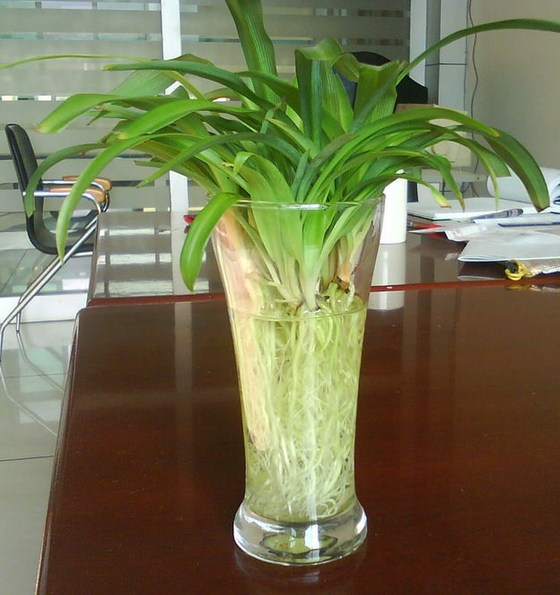
Growing methods for hydroponic spider plants:
1. Generally, roots can sprout in about 5 days of water culture. So hydroponic spider plants are very easy to manage. But remember to grow them in a hydroponic environment.
2. To grow hydroponic spider plants, you must plant the hydroponic spider plant in a bottomless plastic bottle. For double-layer containers, you can also choose to plant the hydroponic spider plant in the upper plastic sieve, letting the roots of the hydroponic spider plant hang down into the bottle.
3. When caring for hydroponic spider plants in daily life, you can take them out of the pot or dig them up from the ground, wash the roots of the hydroponic spider plant clean with clear water, then cut off the rotten roots and old roots, keep the fibrous roots, and leave 6-10 healthy leaves.
4. After choosing the pot or jar, insert the treated hydroponic spider plant into the bottle. Special attention should be paid to inserting the hydroponic spider plant upright, so that the roots of the hydroponic spider plant soak in the water and grow slowly.
Precautions for growing hydroponic spider plants:
1. The roots must not be completely submerged in water; leave about one quarter of the roots above the water surface so the roots can breathe better.
2. It is best to use cool boiled water, as it has no pests, diseases, or algae spores, and also removes chlorine from tap water, which is more conducive to healthy plant growth. In particular, the roots can remain white and tender for a long time without turning green, improving ornamental value. Generally, change the water once every three or four days, and longer in winter.
3. Place it in a spot with scattered light. Except in winter, when it should receive more sunlight, avoid direct sunlight in other seasons.
4. Spray water on the leaves every day; the finer the water droplets, the better. When the weather is hot, increase the frequency of spraying.
5. Nutrition does not matter much; the water itself contains quite a lot of nutrients. If conditions allow, it is even better to add some nitrogen fertilizer or granular compound fertilizer to the water about every 20 days, with a ratio of 1:1500 to water. Of course, you can also let rice washing water sit for three or four days (ferment), take the clear liquid from the upper layer, and mix it into the water for growing spider plants (mixing ratio 1:10).
What should you do if the leaf tips of hydroponic spider plants turn black?
Black leaf tips on hydroponic spider plants may be caused by lack of water and water accumulation in the potting soil leading to rot of the nutrient fibrous roots. Another possibility is that overly frequent watering or overly sticky and heavy potting soil can also easily cause black leaf tips on hydroponic spider plants. So in this case, everyone can match the two possibilities just mentioned to identify the cause of black leaf tips on hydroponic spider plants.
If the black leaf tips on the hydroponic spider plant are caused by frequent daily watering, then you should remove part of the soil from the hydroponic spider plant, cut off the rotten roots, and replant it in clean wet sand. Remember to keep the sand grains in the hydroponic spider plant pot moist, try not to water too much, and after new white tender fibrous roots are induced, replace with fertile culture soil and replant.
If the root rot of the hydroponic spider plant is not very serious, you can apply plant ash or sulfur powder to the wounds of the hydroponic spider plant, then plant it directly in culture soil. However, if the hydroponic spider plant has not been repotted for a long time, it can easily cause shrinkage and discoloration at the root ends of the hydroponic spider plant. So when this problem occurs, remember to first take it out of the pot, then remove part of the old soil, cut off the aged and necrotic roots, and cut off the dead leaves. After pruning, it is best to replant it in fresh culture soil and maintain it in a cool, moist, semi-shaded environment. Pay attention to spraying more water and watering less, and the plant's newly sprouted tender leaves can return to normal management.
What should you do if hydroponic spider plant roots rot?
After discovering root rot in a hydroponic spider plant, you should promptly cut off the rotten part of the roots. Flower lovers who have the conditions can use potassium permanganate to disinfect the rotten root area. If you do not have it at home, try to clean the rotten root area thoroughly, then place it in a cool, ventilated place to dry, and then insert it into a cleaned bottle or container. Little Rabbit reminds all flower lovers that the bottle or container must also be disinfected, so as to ensure that the spider plant is in a good growing environment.
These are the solutions for root rot and yellowing leaf tips in hydroponic spider plants. This is only part of it. During the growing process, you can also invent your own growing methods.
Hydroponic spider plant pictures, what to do if hydroponic spider plant leaves turn yellow, hydroponic spider plant root rot, hydroponic spider plant leaf tips turn black
Hydroponic spider plant
Hydroponic spider plants are currently one of the most popular indoor foliage plants. Placing small seedlings in a clean water tank can maintain ornamental value for two to three years. Goldfish can be raised appropriately, allowing flowers and fish to coexist harmoniously. You can enjoy both flowers and fish, with extremely high ornamental value.Growing methods and precautions for hydroponic spider plants
1. Choose a container: Generally, the vase should be chosen according to the size of the hydroponic spider plant. It is best to choose one with a neck at 1/3 of the way, which can be fixed or not fixed.
2. Choose hydroponic seedlings: You can choose newly born small seedlings on runners, preferably with aerial roots; you can also wash the soil off a soil-grown spider plant and then hydroponically grow it. Note that disinfection must be carried out before hydroponic growing.
3. Hydroponic growing: Choose a good vase according to the size of the spider plant. When growing hydroponically, do not add too much water; just submerge 1/3 to 1/2 of the root system.
4. Maintenance: Change the water once every 2 to 3 days. For those changed from soil culture to water culture, some roots will rot in the early stage and need to be cut off during water changes, and disinfection is best. When new water roots are 3 to 5 cm long, nutrient solution needs to be added to the water, and the amount does not need to be large.
The maintenance environment is best with scattered light. It must not be too shady or exposed to the sun. If any leaf tips are dry, prune them promptly.
Hydroponic spider plant pictures
Hydroponic spider plants are a very common type of spider plant. We often grow them in water tanks. As long as clean water is provided, no soil is needed, which is simpler than planting in soil. One hydroponic spider plant can generally be grown for two to three years. Of course, the premise is that you must grow it properly. If you just casually grow it and let it grow on its own, then the growing time will probably not be long.
What should you do if hydroponic spider plant leaves turn yellow?
Water-grown spider plants can be kept in water all the time, but water-grown spider plants cannot be placed directly in strong light for exposure, because the root system of such spider plants absorbs water, and the root system grows much faster than the leaves. If the leaves turn yellow, it indicates that it is time to change the water. Water-grown spider plants themselves have a somewhat larger root system. The best method is to cultivate them in soil, which can make the entire plant larger, because spider plants have the effect of purifying air.
Hydroponic spider plant root rot
Introduction to the causes of hydroponic spider plant root rot: There are many causes of hydroponic spider plant root rot, mainly including too low temperature, excessive fertilization, pests and diseases, etc. When root rot occurs in a hydroponic spider plant, the water quality in the bottle will become foul, and a rotten smell will also be emitted from the roots of the spider plant. At this time, flower lovers must adjust promptly to prevent more serious root rot in the hydroponic spider plant.
What should you do if hydroponic spider plant roots rot: When flower lovers discover root rot in a hydroponic spider plant, they should promptly cut off the rotten part of the roots. Flower lovers who have the conditions can use potassium permanganate to disinfect the rotten root area. If you do not have it at home, try to clean the rotten root area thoroughly , then place it in a cool, ventilated place to dry, and then insert it into a cleaned bottle or container. Little Rabbit reminds all flower lovers that the bottle or container must also be disinfected, so as to ensure that the spider plant is in a good growing environment.
Hydroponic spider plant leaf tips turn black
Black leaf tips on hydroponic spider plants may be caused by lack of water and water accumulation in the potting soil leading to rot of the nutrient fibrous roots. Another possibility is that overly frequent watering or overly sticky and heavy potting soil can also easily cause black leaf tips on hydroponic spider plants.
Related encyclopedia
Pocket scale non-woven bag lamp wick bamboo shoot crab claw Redmi Note 3 ykk zipper ybs zipper Prunus sargentii climbing rose Senna nomame wintersweet pine watch Omega Longines famous watch children's building blocks flint Cremastra appendiculata curling iron soursop
Growing methods and precautions for hydroponic spider plants, how to grow hydroponic spider plants
Spider plants are already lush and fresh and distinctive. After hydroponic growing, through the glass bottle, you can clearly see the white roots dancing in the water. Therefore, more and more people now like to grow hydroponic spider plants. Below, the editor of Flower Language Net will show you the growing methods and precautions for hydroponic spider plants, and how to grow hydroponic spider plants.Growing methods and precautions for hydroponic spider plants
Material preparation for hydroponic spider plants
1. Transparent proportioned containers, glass bottles, mineral water bottles, and water cups are all acceptable, but if you want long-term hydroponic growing, it is recommended to choose a prettier container.
2. Scissors, disinfectant (potassium permanganate solution), mainly used for trimming roots and disinfection.
3. A robustly growing spider plant.
Growing methods for hydroponic spider plants
Container selection
Spider plant roots are white and plump, very suitable for viewing. The most important point is that there is no soil interference. In the hot and stuffy summer, spider plants can also grow in a cool environment. Therefore, for hydroponic spider plants, try to choose a transparent glass container, which allows you to view both leaves and roots, making it convenient to observe the hydroponic condition and adjust promptly.
Nutrient solution preparation
Nutrient solution formula: calcium nitrate 1.8g, potassium dihydrogen phosphate O.62g, ammonium sulfate 0.187g, ferrous phosphate O.0278g, potassium chloride 0.62g, magnesium sulfate 0.54g.
Dilute the prepared nutrient solution with water. This culture solution can provide sufficient nutrient elements for spider plants, and is slightly better than finished nutrients on the market. But if you feel dizzy looking at these chemical names, you should still buy finished products from the market!
Handling the spider plant
Take the soil-grown spider plant out of the pot, and rinse the soil off the roots with a gentle stream of water.
Use scissors to cut off the old roots and rotten roots, keep the whitish fibrous roots, and clean up diseased leaves and residual leaves, making the spider plant look completely renewed. Then soak the plant roots in potassium permanganate solution for 10 minutes to disinfect.
Rinse the leaves with a gentle stream of water to wash off soil and dust from the leaves. Be careful not to damage the leaf surface during the process to ensure the leaves remain intact.
Fixing position
Put the treated spider plant into the hydroponic container. For professional hydroponic containers (with a hydroponic basket), after fixing the spider plant, use stones to secure it and ensure the plant is upright; for ordinary glass containers, place the plant upright and let the leaves lean against the bottle wall.
During the fixing process, avoid damaging the root system, and let the roots spread around the container.
Adding water
Pour water along one side of the bottle wall, just enough to submerge 1/3 of the plant roots.
Growing methods and precautions for hydroponic spider plants
Placement environment
The maintenance environment for hydroponic spider plants is not much different from that for soil-grown ones. Place it in a bright place to ensure sufficient light. If light is insufficient, hydroponic spider plants will also show narrow and elongated leaves and dull leaf color. In addition, when the light is strong in summer, do not expose it to the sun, to avoid the water temperature being too high and affecting root growth.
The optimal growing temperature for hydroponic spider plants is 15~25°C. When the temperature is above 30°C, the spider plant will stop growing and leaf tips will turn yellow. In winter, keep the temperature above 12°C; it is easily frostbitten at 5°C.
Water amount and water quality requirements
In the early stage of hydroponic growing, change the water once every 2~3 days. After new roots grow, change the water once every 7 days, and just add water when it is low. When the roots grow to more than 3 cm, switch to nutrient solution and replace it about once every 2 weeks. While replacing the nutrient solution, clean the roots of the spider plant and the bottle wall.
For the water used in hydroponic spider plant growing, generally use tap water that has been left standing for one day, using it after the chlorine in the water has evaporated. In different seasons, the frequency of changing water also differs. In spring and autumn, change it once every 7~10 days; in summer, once every 5~7 days; in winter, once every 10~15 days. During maintenance, according to the growth of the spider plant, spray water appropriately to keep the leaf surface clean.
Root trimming
After root washing, hydroponic spider plants need a certain adaptation period. Old roots that have not adapted will rot. Check and clean them promptly. When there are wounds on the roots, do not use nutrient solution. Wait until the roots have adapted to the water environment and are growing normally before using nutrient solution.
Hydroponic spider plants can bloom in about half a year. When blooming, be careful not to spray water on the flowers, to avoid the flowers falling off early. After the flowers fade, cut off the flower branches promptly to promote blooming the next year.
Hydroponic spider plants change the appearance of soil-grown ones. You can see both emerald green leaves and snow-white roots. Although it is just an ordinary plant, it can add some freshness and more interest to your home.
The above is the editor of Flower Language Net showing you the growing methods and precautions for hydroponic spider plants. The early stage of hydroponic spider plants is a little more complicated, but once established it is very simple to grow! Everyone can give it a try!