What to Do About Root Rot in Anthurium? An Analysis of the Effects of Insufficient Light
Everyone rather likes anthuriums in daily life, and the flowers they bloom are red, which is very auspicious. But when growing anthurium, how does it end up with root rot, yellowing leaves, and insufficient light? What should be done?
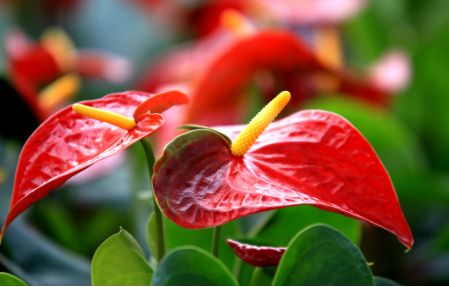
As an indoor potted plant, the anthurium is a rare colorful variety, and its care is relatively simple. However, if you do not understand its habits well enough, it is easy for various problems to appear, such as leaf disease and yellowing, disease, or even direct death.
Anthurium grows best in a warm, humid environment with good drainage. It fears drought and strong direct sun, but insufficient light will hinder flowering.
Anthurium has relatively high temperature requirements, and low temperatures in particular can cause root rot; below 10°C it will suffer cold damage or even die.
Anthurium likes moisture but hates waterlogging. If water accumulates at the bottom of the pot, it will cause the root system to die, so you need to choose loose, breathable potting soil.
If you grow an anthurium to death, that is quite sad. Anthuriums are still rather expensive, and few flowers can sell for this price. If there is root rot, check whether the anthurium's soil is waterlogged. If there is insufficient light, just take it outside to get some sun.
How to Grow and Care for Hydroponic Anthurium and Points to Note: What to Do About Root Rot in Hydroponic Anthurium
The roots of anthurium have a strong ability to breathe. Some people think that sticking it directly into water will keep it alive, but you would be wrong! Putting anthurium directly into water will hinder its breathing, and hydroponic growing will not succeed. Let me tell you the correct hydroponic method for anthurium! So what should be done about root rot in hydroponic anthurium? Today, the editor of wed114 wedding website brings you the growing methods and points to note for hydroponic anthurium. Let's look at the details together.
Can Anthurium Be Grown in Water?
Anthurium can be grown in water. But it is best to first go through hydroponic acclimation before growing it in water, so that it can more easily grow water roots and extend the lifespan of the hydroponic anthurium. In addition, anthurium has many varieties. Generally speaking, the most suitable for hydroponics is 'Pink Champion'.
How to Grow and Care for Hydroponic Anthurium and Points to Note
Hydroponic Steps
1. Choose a pot of anthurium with a beautiful plant shape and flowers, gently pat around the pot, and remove it from the pot.
2. Remove the peat soil.
3. Soak and wash with water.
4. Rinse the roots with a faucet fitted with a spray head, and prune yellow leaves and damaged roots.
5. Put the cleaned roots into a disinfectant solution and soak for 30 minutes. Be careful to use a diluted disinfectant solution as much as possible so as not to harm the sensitive roots of the anthurium. After soaking, dry in a cool place and then grow hydroponically.
6. Prepare a round glass bottle and place pebbles at the bottom as decoration.
7. Add clean water until it covers two-thirds of the root system.
8. Place the anthurium plant into the container, and it is done. Just add a little nutrient solution to the water regularly.
Daily Care for Hydroponic Anthurium
1. It is difficult to clean the substrate residue on the anthurium's root hairs all at once. You can gradually wash it clean along with daily care. Never scrub forcefully, because this will cause root damage.
2. Generally do not prune the root system. According to the situation after water growing, only slightly shorten the growing roots.
3. Throughout the year, water should be sprayed on the leaves many times. After the flowers fade, cut off the spent flowers and spray foliar fertilizer so that the anthurium can grow normally.
4. Anthurium requires a stable water temperature. When changing the nutrient solution, the temperature difference of the water should not be too large.
Common Problems and Remedies for Hydroponic Anthurium
Yellowing Leaves in Hydroponic Anthurium
Failure to add water to the hydroponic container in time, insufficient nutrients in the water, or insufficient light can all cause anthurium leaves to turn yellow. Therefore, when hydroponic anthurium leaves turn yellow, you can take the following measures according to the specific situation:
1. Add water in time.
2. Add nutrient solution at the right time.
3. Provide more sunlight.
What to Do About Root Rot in Hydroponic Anthurium
If the amount of water in the container is not well controlled, if the water is too full, if the water is not changed frequently enough, the oxygen content in the water will be relatively low; if there is too little water, the plant roots will lack water and grow slowly. All these reasons can lead to root rot.
During the hydroponic process of anthurium, we can prevent root rot by changing the water regularly and increasing oxygen. When root rot occurs, the treatment methods are: cut off the rotten roots and stems, disinfect by soaking, and change the water for cultivation.
What to Do If Hydroponic Anthurium Does Not Bloom or Has Root Rot
Anthurium, this is something many people like to grow. It is so beautiful. Anthurium can be grown hydroponically. What should be done if hydroponic anthurium does not bloom? What should be done about root rot in hydroponic anthurium:
What to Do If Hydroponic Anthurium Does Not Bloom:
1. Water
When growing anthurium hydroponically, you should use sun-exposed tap water. When exposing it to the sun, do not place it directly in sunlight, otherwise green algae will form. Change the water once every 15 days.
2. Fertilizing
In order to make the flowers bloom more brilliantly, it is necessary to spray potassium dihydrogen phosphate foliar fertilizer once in the morning and once in the evening.
3. Humidity and Light
Spray water on the leaves every day to maintain the humidity of the anthurium. In terms of light, avoid direct sun exposure, and provide shading when necessary.
Daily care under scattered light is sufficient.
4. Temperature
Hydroponic anthurium does not have high temperature requirements; between 5 and 30 degrees is sufficient.
5. Points to Note
When growing anthurium hydroponically, do not immerse the entire root system in water, as this will cause root rot. Half of the root system should be exposed to the air so that it can breathe. If root rot occurs accidentally, cut it off immediately to prevent other stems from becoming infected.
Infected stems also need to be cut off immediately, then disinfected with a 1000-fold potassium permanganate solution for 30 minutes, and switched to clean water for cultivation, changing the water once every 1~2 days. Once new roots and stems grow out, normal cultivation can resume.
What to Do About Root Rot in Hydroponic Anthurium:
When changing the water, often check the growth condition of the anthurium roots. If root rot appears, cut it off immediately. If the stems are also rotting together, cut them off as well.
Soak the treated plant roots in a 1000-fold potassium permanganate solution for 30 minutes to disinfect, then switch to clean water for cultivation. Be careful not to add nutrient solution to the water, change the water once every 1~2 days, and after new roots grow out, return to normal care.
That is all for the methods for root rot and failure to bloom in hydroponic anthurium. Now you can happily grow hydroponic anthurium.