What to Do When the Leaves of the Umbrella Tree Turn Yellow? Detailed Guide to Cultivation Methods and Precautions
The leaves of the umbrella tree are very green, staying green all year round, so it can be called an evergreen tree. What are the cultivation methods and precautions for the umbrella tree? What should you do if yellow leaves appear during the growing process?
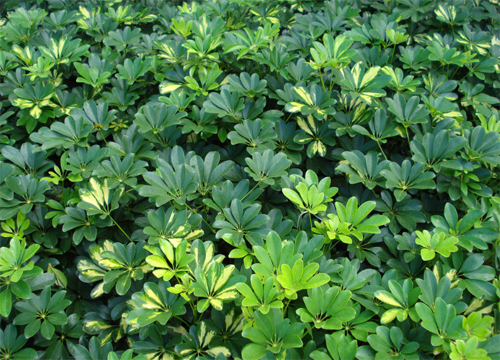
The umbrella tree is also known as the umbrella plant or the dwarf umbrella tree. It can tolerate low-light conditions and prefers partial shade, making it very suitable as an indoor cultivated plant and one of the most popular indoor cultivated plants in the world.
The umbrella tree can be grown for a long time in a bright and well-ventilated home for everyday ornamental enjoyment. Its growth temperature is 15-25°C, and in winter it should not go below 5°C, at which point the plant can continue to grow.
The umbrella tree has strong adaptability. It can grow not only in conditions with high air humidity and plenty of soil moisture, but also in dry environments.
The umbrella tree is also called the dwarf umbrella tree; it got this name because the shape of its leaves when reversed resembles a goose's foot.
Also known as the dwarf umbrella tree, it has a graceful plant shape and strong adaptability. It is an excellent potted plant and can be placed on a balcony for ornamental enjoyment all year round, but it should not be placed in a spot with harsh sunlight. It can also be arranged in the living room, study, or even the bedroom.
The umbrella tree has the effect of absorbing nicotine and other harmful substances. It is especially suitable for planting in households with smokers. It can bring fresh air to smoking households; its leaves can absorb nicotine and other harmful substances released when cigarettes burn, and through photosynthesis convert them into substances the plant itself needs.
In addition, the umbrella tree can reduce formaldehyde concentration by 9 milligrams per hour. After home renovation, placing an umbrella tree is most suitable.
Cultivation methods and precautions for the umbrella tree:
The umbrella tree can be cultivated using peat soil and leaf mold, mixed with 1/3 perlite and base fertilizer. About 4 hours of direct sunlight per day can accelerate the growth of the umbrella tree, and it is a plant that can be enjoyed for a long time.
In spring, summer, and autumn, water once every 3-4 days. Do not use too much water, otherwise the roots will become waterlogged and rot. During the summer growing season, fertilizer can be applied appropriately once a week, using a mixed fertilizer of nitrogen, phosphorus, and potassium for cultivation.
Every spring, before the umbrella tree's new buds sprout, it should be repotted: remove the plant's old soil and replace it with new soil. If the plant is a many-year-old specimen, it needs timely pruning or repotting during cultivation.
Normally, because the umbrella tree grows relatively slowly, it also needs regular shaping and pruning.
What should you do if the leaves turn yellow and drop?
There are several situations: the potting soil is not breathable, or too much water has caused root rot; poor environmental ventilation, or light that is too weak.
Suggestion: loosen the potting soil a bit, place it outdoors for half a year of care, and water according to the principle of letting it dry between waterings and keeping it moist.
That covers the umbrella tree's cultivation methods, precautions, and how to handle yellowing and falling leaves. Hurry and grow one at home too!
How to Grow the Umbrella Tree: Cultivation Methods and Precautions / Appropriate Light Is Needed
The umbrella tree is native to Guangdong, China, South America, and other places. Because of its strong adaptability and its many functions and benefits, more and more people are growing it. Although this plant is easy to keep alive, mastering certain methods is still necessary to grow it well. How do you grow the umbrella tree? Let's look at the cultivation methods and precautions for the umbrella tree.
Is the umbrella tree easy to grow?
The umbrella tree is a relatively easy plant to grow, with average requirements for environment and methods. It likes a warm, humid, semi-sunny environment; its soil requirement is fertile acidic soil, and it can tolerate slightly poor soil; its cold resistance is relatively strong, with a suitable temperature of 16-27°C. Below 0°C it may suffer frost damage, and with high humidity it grows vigorously. It can be said to be very easy to grow.
How to grow the umbrella tree
1. Light
The umbrella tree can adapt to many kinds of light conditions; for example, full sun, half sun, and partial shade environments all allow normal growth. However, to make its leaf color more deeply green, suitable light is needed. If the light is relatively strong, the leaf color will be lighter, while in a partial shade environment its leaf color will be greener, and in bright light the colors will be more vivid.
2. Soil
The umbrella tree can survive in slightly poor soil, but in the cultivation methods and precautions for the umbrella tree, you should try to create suitable soil conditions for it. For example, fertile, loose, well-drained acidic soil is best, preferably made by mixing peat soil, leaf mold, and coarse sand.
3. Temperature
The umbrella tree's more suitable growth temperature is 16-27°C. At 30°C it can still grow normally, but if it goes higher, growth may stall. Its cold resistance is moderate; the wintering temperature should not be lower than 5°C. In a 0°C environment it is very prone to frost damage, and heavy leaf drop will occur.
4. Watering
The umbrella tree likes environments with relatively high humidity and is rather afraid of dryness. If moisture is relatively sufficient, its stems, leaves, and roots will be very lush, but too much water will cause root rot. So how should you water the umbrella tree? In summer, water once a day; if the air is dry, spray water on the leaves. In spring and autumn, water twice a week, and in winter reduce watering.
5. Fertilizing
From March to September, the umbrella tree grows fastest, so in the cultivation methods and precautions for the umbrella tree, fertilizing at this stage must be reasonable. Generally, fertilize once every 2-3 weeks, mainly with compound fertilizer and cake fertilizer water.
Precautions for cultivating the umbrella tree
1. Shaping and pruning. The umbrella tree sprouts new branches relatively easily. If new branches are not pruned in time, leggy growth may occur, so during normal care pay attention to pinching and thinning, etc. This can maintain a good plant shape and also promote the sprouting of side branches.
2. Regular repotting. The nutrients contained in the soil are limited. After the umbrella tree has been grown for 1-2 years, the nutrients in the soil will have been absorbed. To maintain sufficient nutrients, the potting soil needs to be replaced regularly, generally once every 1-2 years in spring.
3. Control light. The leaf color of the umbrella tree is directly related to light, so if you want the leaf color to look better, you need to reasonably control light. In summer you can give it a partial shade environment, and in winter full sun, which can make the leaves more emerald green.
Cultivation Methods and Precautions for the Umbrella Tree
The umbrella tree is a particularly popular green plant in daily life. It is not only beautiful and elegant in appearance, but also holds a high status in feng shui, making it especially suitable for growing at home. The cultivation methods for the umbrella tree are not complicated, but there are many places needing special attention during cultivation. Below I will specifically guide everyone through this knowledge.
Cultivation methods for the umbrella tree1. Soil
When growing the umbrella tree normally, you must choose suitable soil. This plant likes soil with deep, loose layers. When growing it at home, you can choose leaf mold or peat soil as the substrate, and you can also add about one quarter garden soil or river sand. In addition, before planting, apply an appropriate amount of cake fertilizer as base fertilizer.
2. Watering
To grow the umbrella tree well, watering is very important. This plant is afraid of both dryness and waterlogging. During normal cultivation, water promptly to keep the soil moist, but after entering the cold weather of winter, water absorption will slow down and its growth rate will also slow, so water supply should be reduced at this time. During cultivation, water must never accumulate in the flowerpot, otherwise its roots will rot, the leaves will fall off, and in severe cases the umbrella tree will even die.
Cultivation precautions1. Light adjustment
The umbrella tree is a green plant with strong vitality. Normally, as long as it has suitable soil and sufficient water, it can grow normally. But to grow the umbrella tree well, light adjustment also requires special attention. This plant likes to grow in a partial shade environment. During its peak growing season, you can usually place it indoors in a spot with scattered light, while after winter arrives it needs to be moved near a south-facing window with sunlight. During cultivation, the umbrella tree must never be exposed to direct sunlight, otherwise its leaves will fall off in large numbers and its ornamental value will decline accordingly.
2. Temperature adjustment
When cultivating the umbrella tree, be sure to pay attention to temperature adjustment. This plant has particularly poor cold resistance and cannot be placed in an environment below ten degrees in winter, otherwise its leaves will turn yellow. When the temperature drops below zero, the umbrella tree will die. Normally, keeping the indoor temperature around twenty degrees gives it the most vigorous growth. In addition, when cultivating the umbrella tree, also pay attention to fertilizer supply. During its peak growing season, fertilize once a week, and the fertilizer can be thin cake fertilizer or nitrogen fertilizer.