How to Grow Strawberries from Seed and When to Transplant Them
Many people love eating strawberries and want to grow them themselves. Strawberries can be grown from seed, and many people like this method. What is the method for growing strawberries from seed? When is the transplanting time for strawberries?
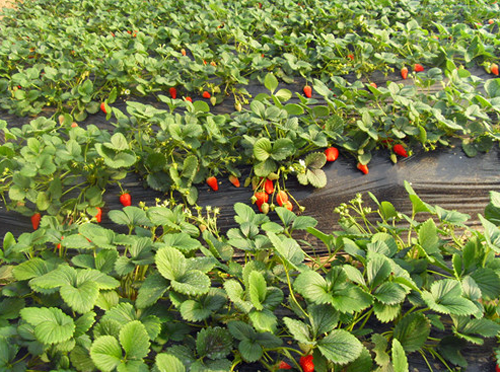
Method for growing strawberries from seed:
1. Watering
Flood irrigation is not suitable during the seedling stage; sprinkler irrigation can be used to meet water needs. After the seedlings grow 6 true leaves, light flood irrigation can be used to prevent seedling damage from silt.
2. Weeding
During the seedling stage, weeds should be pulled out frequently and promptly. If you are growing strawberries with weeds around, don't expect them to grow well.
3. Thinning and Replanting
Once the seedlings grow 3 to 5 true leaves, they can be transplanted, thinning where dense and filling in where sparse.
4. Topdressing
When the seedlings grow 6 true leaves, the first topdressing can be applied, preferably with water-soluble fertilizer or urea.
Those growing in courtyards generally broadcast the fertilizer, scattering it along with water; those growing in pots can dissolve urea in water to make a dilute fertilizer for spraying. For the first topdressing, use a small amount. After that, apply fertilizer every 20 to 30 days. As the seedlings grow larger, the amount of fertilizer can be appropriately increased.
Precautions for growing strawberries from seed:
Strawberry seeds are quite small, so sowing must be done carefully. It is best to use seedling soil with a seedling tray, or seedling blocks with a seedling box. Those who really do not have these conditions can use sieved fine sandy loam mixed with some finer humus soil, fill it into a flower pot, and sow in the pot.
Before sowing, spray water thoroughly to saturate the seedling substrate. Those using pots directly can keep the soil level one centimeter below the rim of the pot, then scatter the seeds evenly. After broadcasting, cover with about 0.1 cm of sieved fine soil, or do not cover with soil at all as long as your seedling substrate is sufficiently loose. Cover the pot with plastic film to keep the soil moist.
Strawberry transplanting time:
After the seedlings have grown for 3 to 4 months, they can be lifted and transplanted, with a spacing of 20 to 30 cm between plants and rows. The best transplanting time is from late July to mid-August. They will bear fruit the following spring.
That covers the method for growing strawberries from seed and the transplanting time. Hurry up and fill your home with the fragrance of strawberries.
How to Grow Strawberries from Seed and When to Transplant Them
Many people enjoy eating strawberries. Today I will share with you how to grow strawberries from seed and when to transplant them.
Method for growing strawberries from seed:
1. Watering
Flood irrigation is not suitable during the seedling stage; sprinkler irrigation can be used to meet water needs. After the seedlings grow 6 true leaves, light flood irrigation can be used to prevent seedling damage from silt.
2. Weeding
During the seedling stage, weeds should be pulled out frequently and promptly. If you are growing strawberries with weeds around, don't expect them to grow well.
3. Thinning and Replanting
Once the seedlings grow 3 to 5 true leaves, they can be transplanted, thinning where dense and filling in where sparse.
4. Topdressing
When the seedlings grow 6 true leaves, the first topdressing can be applied, preferably with water-soluble fertilizer or urea.
Those growing in courtyards generally broadcast the fertilizer, scattering it along with water; those growing in pots can dissolve urea in water to make a dilute fertilizer for spraying. For the first topdressing, use a small amount. After that, apply fertilizer every 20 to 30 days. As the seedlings grow larger, the amount of fertilizer can be appropriately increased.
Precautions for growing strawberries from seed:
Strawberry seeds are quite small, so sowing must be done carefully. It is best to use seedling soil with a seedling tray, or seedling blocks with a seedling box. Those who really do not have these conditions can use sieved fine sandy loam mixed with some finer humus soil, fill it into a flower pot, and sow in the pot.
Before sowing, spray water thoroughly to saturate the seedling substrate. Those using pots directly can keep the soil level one centimeter below the rim of the pot, then scatter the seeds evenly. After broadcasting, cover with about 0.1 cm of sieved fine soil, or do not cover with soil at all as long as your seedling substrate is sufficiently loose. Cover the pot with plastic film to keep the soil moist.
Strawberry transplanting time:
After the seedlings have grown for 3 to 4 months, they can be lifted and transplanted, with a spacing of 20 to 30 cm between plants and rows. The best transplanting time is from late July to mid-August. They will bear fruit the following spring.
That covers the method for growing strawberries from seed and the transplanting time. Hurry up and fill your home with the fragrance of strawberries.
That is all for how to grow strawberries from seed and when to transplant them. I hope this article is helpful to everyone. Good luck to you all.
Method for Growing Strawberries from Seed
Theoretically, strawberries are not really suited to being sown from seed, because this can cause certain desirable traits to degenerate. Home growers may not care much about this, so this article takes flower lovers through the method for growing strawberries from seed. I hope readers can learn the strawberry sowing method from this article.
Germination:Generally, strawberry seeds can be stored at room temperature for about 2 years. To improve the germination rate, before sowing you can wrap the seeds in gauze, soak them for 24 hours, and treat them in the refrigerator at a low temperature of 0°C to 3°C for about 15 days to break seed dormancy, then sow. The germination rate will be higher. For those without patience, you can also skip the cold treatment and directly use the method below to germinate the seeds, but without the low-temperature treatment to break dormancy, the germination rate may be lower.
The method is as follows: First pour the seeds into warm water at 50 to 60°C and soak them while stirring constantly until the water temperature drops to about 25°C, then stop. Continue soaking for 2 to 3 hours, then scoop them out and gently rub them with your hands until the seed coats are clean and glossy. Then rinse them clean with fresh water and cover them with several layers of wet gauze. (Old Zhang believes this is done because when strawberry seeds are collected, they carry strawberry acid on them, so it must be washed off.) Place them at 25 to 30°C for germination. Wet the gauze with warm water three times a day (morning, noon, and evening) to keep the seeds in a moist environment. Once 60 to 70% of the seeds have sprouted, they can be sown.
Sowing:Strawberry seeds are quite small, so sowing must be done carefully. It is best to use seedling soil with a seedling tray, or seedling blocks with a seedling box. Those who really do not have these conditions can use sieved fine sandy loam mixed with some finer humus soil, fill it into a flower pot, and sow in the pot.
It is worth noting that before sowing, you should first spray water thoroughly to saturate the seedling substrate. Those using pots directly can keep the soil level one centimeter below the rim of the pot, then scatter the seeds evenly. After broadcasting, cover with about 0.1 cm of sieved fine soil, or do not cover with soil at all as long as your seedling substrate is sufficiently loose. Cover the pot with plastic film to keep the soil moist. At a temperature of 25°C, seedlings will begin to emerge 15 to 25 days after sowing. (Strawberry seeds sprout slowly. Old Zhang once found sprouts only after a month, when he had almost given up.) When the seedlings grow 2 true leaves, divide them into separate pots. When they have 3 to 5 leaves, they can be planted in the ground.
That is basically how strawberry germination works. Old Zhang will add a few more precautions:
Seedling stage management
First, watering: flood irrigation is not suitable during the seedling stage; sprinkler irrigation can be used to meet water needs. After the seedlings grow 6 true leaves, light flood irrigation can be used to prevent seedling damage from silt.
Second, weeding: during the seedling stage, weeds should be pulled out frequently and promptly.
Third, thinning and replanting: once the seedlings grow 3 to 5 true leaves, they can be transplanted, thinning where dense and filling in where sparse.
Fourth, topdressing: when the seedlings grow 6 true leaves, the first topdressing can be applied, preferably with water-soluble fertilizer or urea.
Those growing in courtyards generally broadcast the fertilizer, scattering it along with water; those growing in pots can dissolve urea in water to make a dilute fertilizer for spraying. For the first topdressing, use a small amount. After that, apply fertilizer every 20 to 30 days. As the seedlings grow larger, the amount of fertilizer can be appropriately increased.
Transplanting
After the seedlings have grown for 3 to 4 months, they can be lifted and transplanted, with a spacing of 20 to 30 cm between plants and rows. The best transplanting time is from late July to mid-August. They will bear fruit the following spring.
Strawberry growing follows a three-year cycle. In the first year, only very few strawberries can be harvested. In the second year, you will harvest a lot, but by the third year or after three years, strawberry yields will drop noticeably, and the plants need to be replaced. Therefore, arrange new plant cultivation sensibly to ensure that some strawberries are second-year plants each year, so you can get the greatest economic benefit.
When strawberries are growing well, they will produce runners, and new small plants will grow at the ends of the runners. When the small plants grow 3-4 leaves, you can cut them off and plant them in another pot, taking care to water them. It is best not to let first-year new plants bear strawberries; let them grow more leaves instead. So when you find that a one-year-old strawberry plant has flowered, remove the flowers. At the same time, do not forget to hang a small tag on the plant with the planting date of the new plant written on it, so you will not forget later. Remove other excess runners from the new plants. If the strawberries are planted in the ground in the yard, also pay attention to weeding. When watering, be careful not to get the strawberries wet.
Strawberry care
If you have a greenhouse at home, you can move the strawberries into the greenhouse, which is even better. Strawberries will also bear fruit more easily. After the strawberry fruiting period is over, you can move them out of the greenhouse and place them outdoors to overwinter. In a way, if the strawberry plants experience some frost, it is better for increasing yields the following year.
Strawberries are very easy plants to cultivate and can be transplanted. Sometimes you may notice yellow leaves on the plants, but do not worry; just remove them. In winter, you can leave the yellow leaves in place until new leaves grow in the following spring, then remove the dead yellow leaves, and pay attention to watering, weeding, and pest control.
You can also plant strawberries in grow bags, but be sure to water evenly and prevent birds from pecking at the strawberries and prevent pest damage. The soil in grow bags dries out easily, so you need to check frequently to keep the soil moist.