What to Do When the Leaves of the Money Tree Turn Yellow? Detailed Guide to Cultivation Methods and Precautions
The roots of the money tree (Chinese wingnut) grow with beans on them, quite similar to the money tree (Pachira). What are the cultivation methods and precautions for the money tree? What should you do if yellow leaves appear during cultivation?
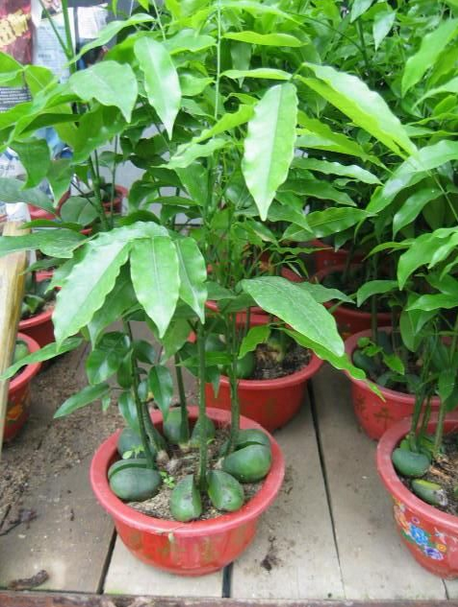
Cultivation methods for the money tree:
1. Care environment
The money tree should be kept in a warm and moist environment. It fears drought, so spray water frequently, but the potting soil must not become waterlogged. In nature, they mostly grow by the water's edge, and young trees grow quite fast.
2. Watering and fertilizing
The money tree should not be watered directly with tap water, as tap water contains chlorine and other substances. It is best to let it sit in the sun for a day or leave it for three days (especially in the north, where tap water is too “hard” and highly alkaline). Water when the soil is dry and stop when moist. The money tree prefers acidic soil.
Potted money trees should be kept clean and glossy. Be careful of mud splashing when watering (just lay a layer of small stones on top). Use loose, fertile, well-draining sandy loam. Fertilize once every 2 to 3 months during the growing season.
Newly purchased or repotted money trees may drop leaves; provide appropriate supplementary light. If over-fertilized or over-watered, they may also drop leaves.
3. Humidity
Keep the potting soil moist for potted plants (except in winter), without waterlogging. In winter, when placed indoors, spray water on the leaves and surrounding environment frequently. After autumn begins, watering should be controlled; in winter, spray more and water less.
If water accumulates in the potting soil, it can easily cause the plant to turn yellow, with lower leaves yellowing and dropping off. In severe cases, it can cause root rot and plant death. During the plum rain season, increase ventilation and reduce watering.
4. Soil
Use fertile, humus-rich sandy loam, preferably mixed with some composted wood shavings and small pieces of pine bark. Lay crushed stone and broken tiles at the bottom of the pot.
5. Environmental care
Pay attention to ventilation and light. Avoid planting too densely. Keep things clean and hygienic. After flowering, promptly remove diseased leaves and destroy them.
Precautions for the money tree:
Young money tree plants are very suitable as small potted plants. Because they are shade-tolerant, they are very suitable for indoor potting and are quite cute.
However, during growth, the plant needs to be pinched back. To prevent it from growing too tall too quickly (it becomes less cute when it grows large), it can be placed in a cool, semi-shaded spot.
During the growing period, water when dry and stop when moist. It is best to apply alum fertilizer water once a month. Scattered light or semi-shade is fine; avoid direct sun exposure.
It can also be grown indoors in the north, but since the air is dry, spray water on the leaves and plant frequently. Avoid waterlogging. In winter, keep the potting soil slightly dry; do not water until dry, to prevent excess water from causing root rot.
What to do when the leaves of the money tree turn yellow?
Causes of yellowing leaves:
1. The plant has previously been affected by low temperatures or cold winds, causing cold damage. Although the money tree has some cold resistance, it will be harmed below 5 degrees.
2. The potting soil is too dry or too wet. The money tree fears both drought and waterlogging; either extreme can cause leaves to turn yellow.
3. Watered with alkaline water, or watered with concentrated fertilizer.
4. Insufficient light. When light is lacking, the innermost leaves of the plant are most likely to turn yellow.
To prevent the money tree's leaves from turning yellow, it needs more sun, less watering, and not too much fertilizer.
Cultivation methods and precautions for the money tree
The money tree is also known as Chinese wingnut, hemp willow, centipede willow, etc. It is an evergreen broadleaf tree of the genus Pterocarya in the walnut family (Juglandaceae). It has a broad crown, dense branches and leaves, fast growth, and a well-developed root system, with high ornamental value. Young plants are suitable as small potted plants for indoor display. Once mature, they can serve as garden ornamental plants. In the north, they are often repotted into large pots for indoor cultivation. Let's take a look at the cultivation methods and precautions for the money tree!
Growth habits of the money tree
The money tree is distributed south of the Yellow River basin, from eastern Shandong in the east, to Hubei and Sichuan in the west, and to Guangdong in the south. It is an important afforestation tree species in plain lake areas, low mountain valleys, and along riverbanks, and is also an urban landscaping tree species. It prefers light, is relatively cold-tolerant, prefers fertile soil, tolerates water moisture, and mostly grows by the water's edge. Young trees grow fast, with the rapid growth period lasting until around 15 years, after which growth gradually slows. It bears fruit relatively early and declines at 40 to 60 years. It has a deep root system but a relatively short lifespan.
Propagation methods for the money tree
The money tree is commonly propagated by seeds. After the fruit matures, harvest it, sun-dry it, remove impurities, and store it dry until sowing in November. For spring sowing, it is best to first soak the seeds in warm water for 24 hours in January, then mix with twice the amount of sand and pile in a shady place for low-temperature treatment. By mid-February, move the seeds to a sunny place to warm and germinate, turning them over frequently and keeping them moist. By late March or early April, they can be sown.
Cultivation methods for the money tree
1. Soil: The money tree should use fertile, humus-rich sandy loam, mixed with composted wood shavings and small pieces of pine bark. Lay crushed stone at the bottom of the pot for drainage.
2. Watering: Water the money tree by the “dry and wet” principle. Keep the potting soil moist but not waterlogged. In winter, keep the potting soil slightly dry; do not water until dry, to prevent excess water from causing root rot.
3. Light: Young money tree plants are shade-tolerant, requiring about 50 to 70% sunlight. Mature plants need sufficient sunlight and require medium-intensity scattered light. They can tolerate shade; avoid scorching sun exposure in summer.
4. Temperature: The money tree prefers high temperatures. The most suitable growing temperature is 22 to 30 degrees C.
5. Fertilizing: The money tree prefers fertilizer. Apply alum fertilizer water once a month.
6. Pests and diseases: The money tree is sometimes harmed by scale insects. During the early spring germination period, a 0.3 to 0.5% Baume degree solution can be used.
7. Pruning: During growth, the money tree needs to be pinched back to maintain a perfect shape. After the flowering period ends, prune promptly, pull out and burn damaged stems and leaves to reduce sources of infection.
Precautions for cultivating the money tree
1. Newly purchased or recently repotted money trees often drop leaves. If lacking sunlight, supplement light appropriately. Over-fertilizing or over-watering can also cause this. Avoid planting too densely. Pay attention to cleanliness and hygiene. After the flowering period ends, promptly pull out and burn damaged stems and leaves to reduce sources of infection.
2. Watering the money tree requires care. Do not water directly with tap water, because tap water contains chlorine and other disinfectant substances. If using tap water, it is best to let it sit in the sun for a day first. In northern summers, the air is dry, so spray water on the leaves frequently. Spray water on the plant regularly, but avoid waterlogging in the pot, which can cause cotyledon rot.
3. During high-temperature summer seasons or in autumn when the air is relatively dry, including during winter when placed indoors, spray water on the leaves and surrounding environment frequently to create a relatively humid local micro-environment and promote healthy growth.
4. After autumn begins, watering should be controlled; in winter, spray more and water less. If water accumulates in the potting soil, it can easily cause the plant to turn yellow, with lower leaves yellowing and dropping off. In severe cases, it can cause root rot and plant death. Special attention should be paid during the plum rain season.
How to grow the money tree, cultivation methods and precautions / fertilize frequently
The money tree is a highly ornamental plant. It can be seen in many regions of our country, and many people grow it in various places. However, there are many things to pay attention to if you want to grow it well. How to grow the money tree? What are the cultivation methods and precautions? Let's take a look below.
1. How to grow the money tree - understand its habits
To know how to grow the money tree, we first need to understand its growth habits. This plant has strong vitality and good resistance to cold weather. It relatively prefers light and fertilizer, so during cultivation we should provide sufficient light and fertilize frequently.
2. Cultivation methods and precautions for the money tree
1. Soil requirements: fertile humus soil
When cultivating the money tree, we first need to choose the soil. This is the foundational step and is very important. Generally, it is best to choose relatively fertile humus soil, which has good drainage and aeration, allowing it to grow better.
2. Fertilizing requirements: once a month during the peak growing season
During the growth of the money tree, the demand for fertilizer is very high, especially during its peak growing season. Basically, alum fertilizer water needs to be applied once a month so that it has sufficient nutrient supply and grows more vigorously. However, remember to dilute with water before fertilizing to avoid burning the plant due to excessive concentration.
3. Environmental requirements: ventilation and light
Among the cultivation methods and precautions for the money tree, the environment is also a very important point. During cultivation, it is best to keep the environment well-ventilated and well-lit, and pay attention to the cleanliness of the potting soil. Dead branches should be pruned and cleared promptly to avoid affecting the normal growth of the plant.
4. Watering requirements: tap water needs to be left in the sun for a day
During cultivation of the money tree, watering also requires care. Generally, do not water directly with tap water, because tap water contains chlorine and other disinfectant substances. Tap water must be left in the sun for a day before it can be used for watering. When watering, maintain the principle of dry and wet; it is best not to cause waterlogging, which can lead to root rot.
5. Light requirements: avoid direct strong light
The money tree relatively prefers light but greatly fears direct strong light, especially during its seedling stage. Generally, letting it receive 50 to 70% sunlight is sufficient. After it matures, it can be placed in scattered light. In summer, when sunlight is too intense, it is best to move it indoors to a semi-shaded area to avoid scorching the plant and causing yellow leaves.
6. Pruning requirements: regular pinching and pruning
During the growth of the money tree, we should regularly pinch and prune it to maintain its shape and also promote branching. After the flowering period ends, we should promptly prune dead stems and rotten leaves to prepare for the next year's growth.
7. Pests and diseases: timely prevention and control
During cultivation of the money tree, if we are not careful enough, pests and diseases can easily take advantage. These problems are very harmful to the plant, so we should deal with them immediately upon discovery and not delay, because the longer the time, the greater the harm. For specific treatment methods, you can refer to the article on pest and disease control for the money tree, which contains reliable prevention and treatment guidance.