How much is a peace lily per pot? Detailed guide to growing methods and precautions
The peace lily is a plant that many people love to grow, and its selling price is also relatively high. Let's look at what the growing methods and precautions for the peace lily are.
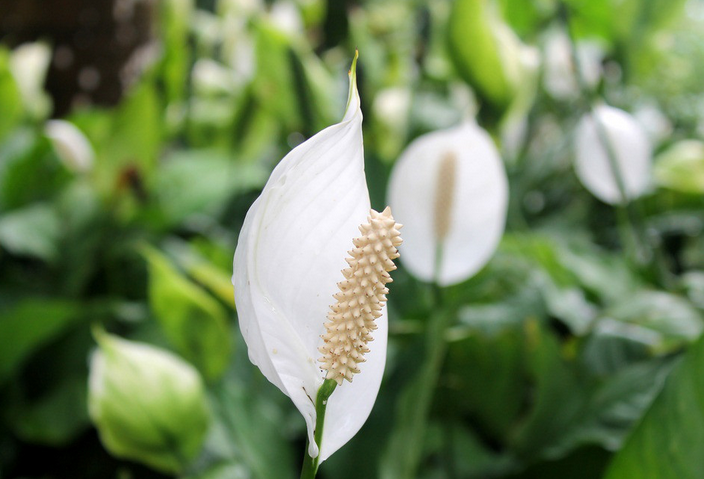
Growing methods and precautions for the peace lily:
The peace lily is native to tropical America and prefers a high-temperature, high-humidity, semi-shaded environment.
1. Temperature: The optimal growing temperature is 22-28°C. If the temperature is too high, the leaves tend to curl, become smaller, wither and drop, and the flowering period shortens. In winter the temperature should not be lower than 14°C; below 10°C, the plant's growth is hindered and the leaves are prone to frost damage.
2. Soil: A fertile loam soil rich in humus is best.
3. Light: The peace lily fears intense direct sun, and in summer it needs 60%-70% shading. It is fairly shade-tolerant and can be grown year-round indoors in a spot with bright, indirect light. It fears intense direct sun, but long-term insufficient light will affect flowering.
4. Watering: During the growing period, keep the potting soil moist, but avoid overwatering, which causes root rot. During summer heat and autumn dryness, mist more frequently to keep air humidity above 50%, which benefits leaf growth.
5. Fertilizing: During the peak growing season, apply a dilute compound fertilizer or decomposed cake fertilizer water once every 1-2 weeks. When winter temperatures are low, stop fertilizing.
What is the price of a peace lily?
If you want to buy many peace lilies, just seedlings without pots, the price is a few yuan. For peace lilies with pots, the market price ranges from 15 to 35 yuan.
Common methods of growing hydroponic plants and key points of care and management
Compared with soil-grown plants, hydroponic plants only need clean water and an appropriate amount of nutrient solution for daily care. They are not only easy to manage but also cleaner and more attractive. In addition, in dry seasons, hydroponic plants can serve as natural humidifiers. However, hydroponic plants grow relatively slowly.1.Types of hydroponic plants
Although hydroponic plants have many advantages, not all plants are suitable for hydroponics. Common hydroponic plants include spider plant, calla lily, pothos, and peace lily.
The spider plant is a very familiar hanging foliage plant that purifies the air. It likes a warm, humid environment and is especially suitable for hydroponics. The calla lily has an elegant shape, emerald-green leaves, and pure white flowers, and works very well in hydroponics. Hydroponic pothos not only beautifies the room but also does an excellent job of purifying the air. The peace lily is also called "sail of good fortune," and is popular for its auspicious meaning.
Common methods of growing hydroponic plants and key points of care and management
2.Precautions for caring for hydroponic plants
Although hydroponic plants are relatively easy to manage, if some steps are skipped during cultivation, the failure rate will increase greatly.
First, the roots are the most critical part of a hydroponic plant. Be sure to thoroughly wash off the organic matter attached to the root system so as not to affect the normal growth of the hydroponic plant and to protect it from pests and diseases. Of course, you should also properly prune old roots and diseased roots according to the growth of the plant's root system, and remove old leaves and yellow leaves, which benefits plant growth.
Second, choose an appropriate container that is not only attractive in appearance but also suitable in size. If the container is too small, it will affect plant growth.
In addition, be sure to use water that has been left to stand to grow the plants. Some substances in freshly drawn tap water can seriously affect plant health. Each time you change the water, keep half of the original water and add half clean water. It is best to change the water once a week, and while changing the water, add a few drops of nutrient solution specially made for hydroponic plants. Hydroponic plants differ from soil-grown plants in that they cannot seek out nutrients on their own, so the nutrient solution is especially important. Nutrient solutions sold on the market come at different prices, generally between 10 yuan and 40 yuan.
Tip: Calla lily flowers contain large amounts of calcium oxalate crystals and alkaloids; accidental ingestion can cause poisoning symptoms such as drowsiness, so be careful.
Common methods of growing hydroponic plants and key points of care and management
3.Common methods of growing hydroponic plants
Hydroponic plants require almost no care; you just need to top up with some clean water at the right time. In dry seasons, hydroponic plants can also serve as natural humidifiers at home. Common hydroponic plants include English ivy, pothos, arrowhead plant, and peace lily. In addition, some drought-loving plants (such as cactus) can also be grown hydroponically!
1. Glass bottle hydroponics
This is the simplest hydroponic method. Just put a section of stem into a glass bottle filled with clean water. In only 1-2 weeks, you can witness the amazing sight of the plant rooting in water. When only half the water remains in the bottle, you need to top it up. In addition, change the water at least once a month.
2. Mixed soil-and-water culture in a clay pot
Hydroponics can also be combined with soil culture. Spread soil at the bottom of a clay pot, then add an appropriate amount of clean water, so the abundant nutrients in the soil will better help the plant grow. The plant most suited to this method is none other than pennywort. Pennywort is extremely vigorous and can multiply several times over in just a few days. Remember to top up promptly when the clean water in the pot decreases.
3. Teacups and white stones
Surely you also have a few teacups at home that are a pity to throw away but boring to use? Now is the time for them to come in handy. Containers with a wide opening like teacups are very suitable for hydroponic plants. To prevent the plant from tipping over, it is best to put some white stones at the bottom of the cup. Remember to top up promptly when the water level in the cup drops.
Common methods of growing hydroponic plants and key points of care and management
4. Crystal soil + plastic takeout cup
Crystal soil is a new type of soil rich in water and nutrients. In its dry state it is only as big as a millet grain, but after soaking it expands many times over. The "crystal mud" and "colored soil" sold on the market are both types of crystal soil. This soil is used much like clean water; normally there is no need to water, just wash the soil off the plant roots before planting and remember to spray some water with a sprayer every day to keep the soil surface moist. However, there is one thing to pay special attention to: do not let water accumulate at the bottom for a long time.
5. Glass bottles with handles and charcoal
Glass bottles that held coffee or flower tea are always very beautiful. If we add handles made of wire to them, they become even more "a feast for the eyes." If we then use them to grow green plants hydroponically, they become truly "refreshing beyond words." We can put a few pieces of charcoal in the water to save the trouble of frequent water changes and achieve the effect of purifying the water. Remember to top up promptly when the water level in the bottle drops!
6. Hydroponic bulb plants
Surely you have seen hydroponic bulb plants? Bulb plants we know well, such as tulips and hyacinths, are all very suitable for hydroponics. Hydroponic bulb plants on the market are all very expensive. To save money, we can buy soil-grown ones and process them into hydroponic ones ourselves at home. Remember that hydroponic bulb plants must be placed in a cool, ventilated spot.
Common methods of growing hydroponic plants and key points of care and management
4.Measures and tips for oxygenating hydroponic flowers in summer
With the arrival of hot weather, water-grown plants also need their owners to put in more effort and extra care to grow into a more luxuriant state. Many people think that as long as you mix the hydroponic nutrient solution bought from the market to the appropriate concentration according to the instructions, that is enough. In fact, hydroponic flowers also have special requirements for oxygen. Because the water (nutrient solution) of hydroponic flowers is in a static state, it contains little dissolved oxygen, which is unfavorable for flower growth. The following measures need to be taken to increase the dissolved oxygen.
1. Oxygenation by vibration
Hold the flower plant steady with one hand, and with the other hand hold the container and gently shake it more than 10 times. After shaking, the dissolved oxygen content of the nutrient solution can increase by about 30%.
2. Increase the frequency of water changes
Changing the water means replacing the water in the bottle that has nutrient solution added. Generally, in spring and autumn, change the water once every 5-10 days. In summer, change the water about once every 5 days. In winter, change the water once every 10-15 days. Let tap water sit for two hours to half a day, until its temperature is close to room temperature and the chlorine and other substances in the water have fully evaporated, then add the purchased nutrient solution in proportion, and it becomes a nutrient solution suitable for growing hydroponic plants.
3. Add 1% hydrogen peroxide to the nutrient solution.
4. Use a miniature submersible pump or an oxygen pump to oxygenate the nutrient solution. In such an environment, plant roots can obtain sufficient oxygen, prompting the flowers to grow robustly. Only by mastering the correct methods can plants grow more luxuriantly in a more favorable environment.
A complete guide to the types of water-grown plants suitable for indoor cultivation
The addition of plants makes the home fresher. They can soften the hard lines of architecture, help balance the carbon and oxygen in the air, absorb dust particles, and adjust the spatial atmosphere. The benefits are truly many. You want to bring plants home but do not know what varieties to choose. In this issue I bring recommendations; let's take a look at which types of water-grown plants are suitable for indoor cultivation.
Peace lily
The peace lily is one of the few hydroponic plants that can bloom. Its flowering period is very long, its appearance is attractive, and it is often grown hydroponically. Because it needs no special care, it is called a "lazy person's plant." The growing temperature for water-grown plants is 5°C-30°C, and they can grow normally within this range. Generally, change the water once every half a month, and add one or two drops of nutrient solution specially made for hydroponic plants each time you change the water.
Pothos
Pothos is a very affordable water-grown plant, generally priced at around 10-25 yuan. This plant can be grown in soil or hydroponically. Bring it home, pull the plant out, and put it in water, and it can survive, staying green all year round and growing well even without frequent care.
Pennywort
Pennywort is especially popular because its shape resembles a copper coin and carries an auspicious meaning. It is also a plant that can grow both in water and on land. It likes warm, humid conditions, and is best cultivated in partial sun or shade. It dislikes direct sunlight, is not demanding about water quality, and can be cultivated in low-hardness freshwater. It needs no special care; as long as it gets enough sunlight and water, it can grow very well.
Spider plant
The spider plant can absorb harmful gases indoors such as carbon monoxide and nitrogen peroxide. This plant can also grow both in water and on land. With proper management, a hydroponic spider plant can maintain its ornamental value for two to three years. It has no special requirements for water quality; ordinary tap water left to stand for 2 days can be used.
English ivy
English ivy can absorb the toxic substance benzene and also has the effect of adsorbing fine dust particles in the air. It likes shade, and even in an environment without sunlight all year round, it can still grow very well. It is a very easy-to-grow water-grown plant. There are many types of English ivy; when growing English ivy hydroponically, take care to protect the root system, straighten it out as much as possible, and let most of all the roots be submerged in water.
Hyacinth
Grow the hyacinth in a specially made glass bottle shaped like a gourd. The bulb body should not touch the water; just make sure the roots are fully immersed in water. Place the hyacinth in a cool, dark, well-ventilated spot, keep the temperature at 9°C to 13°C, and check once a week to see whether water needs to be topped up.
Lucky bamboo
Lucky bamboo is highly vigorous and likes shade and moisture, so besides potting, hydroponics is also a common growing method. Take out a soil-grown lucky bamboo, remove the leaves at the bottom, and cut the base of the stem into a smooth diagonal shape, then soak it in a bottle, and it will take root after more than ten days. Generally, add nutrient solution once a week, one or two drops at a time.
Dumb cane
Dumb cane is emerald green all year round, and the plant can reach more than 1 m in height. This water-grown plant has high ornamental value. For hydroponic dumb cane, change the water about once every 7 days in summer and once every 10-15 days in winter; each time you change the water, add a few drops of nutrient solution specially made for hydroponic flowers. To prevent the leaves from drying out, during daily care you should spray the leaf surface with clean water to keep it moist.