How long is the blooming period of garden phlox? Introduction to cultivation and propagation methods
The flowers of garden phlox are extremely beautiful, and many people are very fond of this flower. What are the cultivation methods and propagation methods of garden phlox? How long is the blooming period of garden phlox?
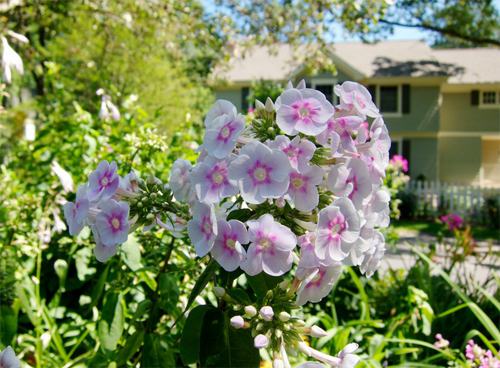
Cultivation methods of garden phlox:
1. Open-field cultivation
Choose land that is sheltered from the wind, faces the sun, and has good drainage. When preparing the soil, apply barnyard manure or compost as a base fertilizer; among chemical fertilizers, diammonium phosphate works best.
Transplant from early May to mid-May, and water frequently during the growing season to keep the soil surface moist.
During the peak growth period from June to July, apply 1-3 topdressings of human manure or cake fertilizer.
In Northeast China, some varieties should have straw placed over the roots or soil mounded over them to protect them through the winter. In mid-November, water once to seal in the freeze, and water once when spring begins.
2. Potted plant care
Repot once each spring after new buds sprout. When repotting, replace the soil with a mix of 3 parts garden soil, 3 parts deer manure, and 1 part stove ash.
3. Fertilizing and watering
A small amount of diammonium phosphate can be applied at the bottom of the pot as a base fertilizer, and after repotting, water thoroughly. When new shoots grow to 6-7 cm, according to the size of the pot, select and keep some robust buds and cut off the excess; generally, a pot with a diameter of 20 cm can keep 4-5 buds.
During the growing period, topdress promptly. You can use decomposed human manure and urine, soybean cake water, or chemical fertilizer solution, applying topdressing once every 2-3 weeks.
Pay attention to watering, keep the soil loose and moist, and adjust for phototropism so the plants grow robust and upright.
Precautions for cultivating garden phlox:
Phlox has few pests and diseases, with occasional occurrences of leaf spot and aphids.
For leaf spot, spray a 50% carbendazim 1000-fold solution for control.
Aphids can be brushed off with a brush dipped in diluted laundry detergent solution. When the infestation is severe, spray a 40% omethoate emulsifiable concentrate 1500-fold solution.
Propagation methods of garden phlox:
1. Seed propagation:
In northern regions, sowing and overwintering in a cold frame requires attention to frost protection. Spring sowing should be done early; the blooming period is shorter than with autumn sowing, and many plants die during the rainy season.
2. Division propagation:
Before May, pull off the suckers from the roots of the mother plant by hand, planting every 3 to 5 buds together, and pay attention to watering. For open-field planting, divide once every 3 to 5 years.
3. Cutting propagation:
In spring, when new shoots grow to about 5 cm, pull off the shoots and insert them into a seedbed or shallow pot filled with plain sand, cover with plastic film, and place indoors in a spot without direct sunlight.
You can also set up a shade net frame for cuttings. Keep the temperature at around 20°C, and spray the leaves and seedbed with a medicinal solution (omethoate + carbendazim is best) to kill insects and sterilize. Roots will form in one month.
The blooming period and aliases of garden phlox:
Aliases: panicled phlox, also called sky-blue hydrangea by some. It is a perennial herbaceous flower with a perennial root system. It does not grow tall, but its flowers are brilliant!
The flower colors include white, yellow, pink, red-purple, and so on, as well as variegated and mixed-color varieties, with pink and rose being the most common.
The blooming period is from June to September, and around October it produces small brown oval fruits.
The cultivation methods, precautions, and propagation methods of garden phlox are introduced here. Hurry and plant one at home to make your mood more relaxed.
Garden phlox Phlox paniculata. Garden phlox illustrated guide: how to grow garden phlox / how to propagate garden phlox
Garden phlox profileGarden phlox Phlox paniculata
Cultivation methods and precautions of garden phlox. Introduction to garden phlox
Garden phlox is a perennial herbaceous flower with a perennial root system, plant height 15-20 cm, covered with short soft hairs, and after growing, the stems are much branched. Leaves alternate, oblong, upper leaves clasping the stem. Cymes terminal; flowers have a relatively slender floral tube, and the corolla is shallowly five-lobed. Flower colors include white, yellow, pink, red-purple, markings, and compound colors, with pink and rose being the most common. The blooming period is from June to September. The capsule is elliptical or nearly round, brown. Seeds are obovate or elliptical, convex on the back, flat on the ventral side, with a 1000-seed weight of 1.55 g.
The garden phlox plant is relatively short, with diverse flower colors and an elegant posture. It can be used for flower beds, flower clumps, and courtyard cultivation, and can also be potted for display, with three plants per pot to keep the plant form full.
The blooming period of garden phlox coincides with summer, when other flowers bloom less, so it can be used to arrange flower beds and flower borders, and can also be dotted in lawns. It is an excellent perennial garden flower and can also be used as a potted plant or cut flower.
Morphological characteristics of garden phlox
It is a perennial herbaceous flower with a perennial root system, plant height 15-20 cm, covered with short soft hairs, and after growing, the stems are much branched. Leaves alternate, oblong, upper leaves clasping the stem. Cymes terminal; flowers have a relatively slender floral tube, and the corolla is shallowly five-lobed. Flower colors include white, yellow, pink, red-purple, markings, and compound colors, with pink and rose being the most common. The blooming period is from June to September. The capsule is elliptical or nearly round, brown. Seeds are obovate or elliptical, convex on the back, flat on the ventral side, with a 1000-seed weight of 1.55 g.
Ecological habits of garden phlox
Garden phlox prefers well-drained sandy loam and a moist environment. It is cold-tolerant, avoids scorching sun, and avoids waterlogging and saline-alkali conditions. It grows most vigorously under light shade, especially in sheltered spots or against a western background, or when mixed-planted with flowers slightly taller than it, such as coneflowers, which is even more favorable for its blooming.
Cultivation techniques of garden phlox
1. For open-field cultivation, choose land that is sheltered from the wind, faces the sun, and has good drainage. When preparing the soil, apply barnyard manure or compost as a base fertilizer; among chemical fertilizers, diammonium phosphate works best. Transplant from early May to mid-May, with a plant spacing of 40-45 cm being suitable, and plant slightly deeper than the original depth by 1-2 cm. Water frequently during the growing season to keep the soil surface moist. During the peak growth period from June to July, apply 1-3 topdressings of human manure or cake fertilizer. In Northeast China, some varieties should have straw placed over the roots or soil mounded over them to protect them through the winter. In mid-November, water once to seal in the freeze, and in early spring water once with "greening water."
2. For potted plants, repot once each spring after new buds sprout. When repotting, replace the soil with a mix of 3 parts garden soil, 3 parts deer manure, and 1 part stove ash. A small amount of diammonium phosphate can be applied at the bottom of the pot as a base fertilizer, and after repotting, water thoroughly. When new shoots grow to 6-7 cm, according to the size of the pot, select and keep some robust buds and cut off the excess; generally, a pot with a diameter of 20 cm can keep 4-5 buds. During the growing period, topdress promptly. You can use decomposed human manure and urine, soybean cake water, or chemical fertilizer solution, applying topdressing once every 2-3 weeks. Pay attention to watering, keep the soil loose and moist, and adjust for phototropism so the plants grow robust and upright.
Disease control of garden phlox
Phlox has few pests and diseases, with occasional occurrences of leaf spot and aphids.
When leaf spot occurs, spray a 50% carbendazim 1000-fold solution for control.
When aphids occur, they can be brushed off with a brush dipped in diluted laundry detergent solution. When the infestation is severe, spray a 40% omethoate emulsifiable concentrate 1500-fold solution.
Propagation methods of garden phlox
Garden phlox can be propagated by sowing, division, and cuttings.
1. Seed propagation: In northern regions, sowing and overwintering in a cold frame requires attention to frost protection. Spring sowing should be done early; the blooming period is shorter than with autumn sowing, and many plants die during the rainy season.
2. Division propagation: Before May, pull off the suckers from the roots of the mother plant by hand, planting every 3 to 5 buds together, and pay attention to watering. For open-field planting, divide once every 3 to 5 years.
3. Cutting propagation: In spring, when new shoots grow to about 5CM, pull off the shoots and insert them into a seedbed or shallow pot filled with plain sand, cover with plastic film, and place indoors in a spot without direct sunlight. If the propagation quantity is not too large, you can set up a shade net frame for cuttings. Keep the temperature at around 20°C, and spray the leaves and seedbed with a medicinal solution (1000-fold 40% omethoate + 1000-fold carbendazim solution) to kill insects and sterilize. Roots will form in one month.
Variety classification of garden phlox
1. Dwarf type
Plant height 30-50 cm, leaves ovate-lanceolate, leaves and stems slightly purple, leaf surface smooth, the whole plant hairless, flowers large, cold-tolerant. In Jilin Province, it can overwinter in the open field.
2. Tall type
Plant height 50-70 cm, leaves oblong-lanceolate, the whole plant hairy, flowers small, not very cold-tolerant. In Jilin Province, it can overwinter with soil mounded up.
Distribution area of garden phlox
Place of origin: southern North America
Suitable regions: |North China|East China|Northwest China
Uses of garden phlox
The plant is relatively short, with diverse flower colors and an elegant posture. It can be used for flower beds, flower clumps, and courtyard cultivation, and can also be potted for display, with three plants per pot to keep the plant form full.
The blooming period of garden phlox coincides with summer, when other flowers bloom less, so it can be used to arrange flower beds and flower borders, and can also be dotted in lawns. It is an excellent perennial garden flower and can also be used as a potted plant or cut flower.
Landscape uses of garden phlox
Can be used as flower bed flowers, flower border flowers, lawn and ground cover
It can also be chosen as a cut flower, ground cover, or potted plant
Garden phlox pictures
How to propagate and cultivate garden phlox
Garden phlox is also known as panicled phlox, sky-blue hydrangea, grass oleander, etc. It is cold-tolerant and prefers a mild and humid climate. On fertile soil with ample sunlight and good drainage, it grows luxuriantly and blooms well.
Garden phlox is mostly cultivated in the open field and can be planted in both spring and autumn. During the growing period, apply 1-3 topdressings, water frequently to keep the soil moist, loosen the soil often to keep the soil well aerated, and prune in a timely manner; otherwise, the plant will grow too tall and reduce its ornamental value. After new shoots sprout in spring, choose moderately positioned, robust branches as the retained branches and cut off all the others. For the retained branches, leave 2 internodes on each branch and cut back to encourage new lateral branches to bloom. This can control plant height, making the plant shape graceful, with lush branches and leaves and more flowers. After the flowers fade, promptly cut off the spent flowers to reduce nutrient consumption. Divide every 3-5 years to prevent aging and messy growth.
Garden phlox can be propagated by division, layering, and cuttings. Division is best done in early spring or autumn; layering can be done in spring, summer, or autumn; and there are various cutting methods, including root cuttings, stem cuttings, and leaf-bud cuttings. Cultivation practice has shown that plants propagated by division generally do not grow as vigorously as those propagated by cuttings. (Excerpted from the complete book "Rural Breeding Industry")