Can Pilea peperomioides be grown in water? A detailed guide to care methods
Pilea peperomioides gets its name because its leaves look like mirrors. What are the care methods for Pilea peperomioides? Can Pilea peperomioides be grown in water?
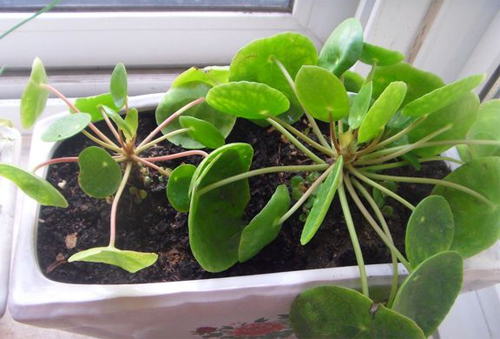
Care methods for Pilea peperomioides:
1. Temperature
Pilea peperomioides is not tolerant of severe cold, and the overwintering temperature must not fall below 10°C. If exposed to a prolonged low temperature of 31-51 days, Pilea peperomioides is prone to dying from cold.
In winter, Pilea peperomioides can be placed in a moderate-temperature greenhouse. Pilea peperomioides is very shade-tolerant; it can grow as long as there is enough light to read an ordinary newspaper, so it is very suitable for indoor potted cultivation at home.
2. Watering notes
When growing Pilea peperomioides, keep the potting soil moist at all times, and avoid waterlogging, to prevent the leaves from discoloring, wilting, or even the stems from rotting.
Water when the soil is dry and stop when moist. To maintain air humidity, you can frequently mist the leaves of Pilea peperomioides.
3. Sunlight
Isn't this just adorable? It can be grown with moss, and making a miniature landscape with it is quite unique too!
Pilea peperomioides prefers bright indirect light and dislikes harsh sun exposure, to prevent scorching the leaves and causing the leaf color to turn yellow. From late autumn to early spring, Pilea peperomioides can be given more sunlight.
4. Summer care notes
When temperatures rise above 30°C in summer, Pilea peperomioides will show stunted growth, and the leaves easily fall off. Pay special attention to the fact that a sudden drop in temperature can cause the leaves and stems of Pilea peperomioides to discolor, with some falling off.
5. Fertilizing
During the growing season, apply a dilute liquid fertilizer once every half month to Pilea peperomioides, but note that too much nitrogen fertilizer will cause the leaves to grow leggy and the plant to topple, while concentrated fertilizer and raw fertilizer will cause root rot and even death.
6. Pest and disease protection
Pilea peperomioides is prone to leaf spot disease. You can spray it with a 600-fold dilution of 50% carbendazim, once every ten days, for 3 consecutive sprays.
When Pilea peperomioides is harmed by cottony cushion scale and the like, you can spray the leaves with a 1000-fold dilution of 40% omethoate.
Pilea peperomioides also does quite well in hydroponics, but be careful that the leaves do not touch the water!
Common problems include anthracnose and scale insect damage. For anthracnose, spray with anthracnose thiram, carbendazim, etc.;
for scale insects, spray with methidathion, chlorpyrifos, etc. It is prone to leaf spot disease, which can be treated by spraying a 600-fold dilution of 50% carbendazim, once every ten days, for 3 consecutive sprays.
For cottony cushion scale, spray the leaves with a 1000-fold dilution of 40% omethoate.
7. Propagation methods
Pilea peperomioides is generally propagated by division, leaf cuttings, or stem cuttings. The roots of Pilea peperomioides easily form adventitious buds, producing small plantlets of various sizes. When the temperature warms up in spring, you can cut them off the parent plant with a sharp knife and plant them separately; they root very easily.
Pilea peperomioides also easily sprouts cluster-like tillers on the stems. In late summer and early autumn, you can carefully remove these cluster-like tillers from the stem with a sharp knife, plant the clusters in red soil, place them in a shaded spot, water thoroughly, and keep them moist with plastic film; the survival rate is also very high.
Can Pilea peperomioides be grown in water?
Yes, it can be grown hydroponically, but the leaves must not touch the water.
That concludes the introduction to the care methods for Pilea peperomioides; it can also be grown hydroponically.
How to grow Pilea peperomioides? Care methods and precautions for Pilea peperomioides
Pilea peperomioides is a perennial succulent herbaceous plant of the genus Pilea in the family Urticaceae, named for its leaves that resemble mirrors. With its unusual leaf shape and attractive form, Pilea peperomioides is very suitable for growing indoors and has high ornamental value, making it a foliage plant worth promoting. So, how do you grow Pilea peperomioides? The care methods and precautions for Pilea peperomioides are introduced below.
Image: Pilea peperomioides
I. Care methods for Pilea peperomioides
1. Soil:For potted Pilea peperomioides, the soil can be a culture soil mixed from leaf mold, garden soil plus a little river sand, stove ash, and bone meal. A loose, fertile, well-drained sandy loam rich in humus is best. For home cultivation, you can mix 3 parts leaf mold + 3 parts garden soil + 2 parts river sand or stove ash + 1 part decomposed organic fertilizer. When planting, use humus soil mixed with sand for good drainage, and line the bottom of the pot with tile pieces to facilitate drainage.
2. Light:Pilea peperomioides is a shade-tolerant plant, but it also likes light. It must not be exposed to strong light; indirect light is preferable. If the light is too strong or too shady, the glossy sheen of the leaves easily fades or disappears. When it is too shady, the leaves also tend to become thinner and the petioles lengthen, causing the leaves to droop. When winter temperatures are low, it can be given full-sun care.
3. Temperature:The suitable growing temperature for Pilea peperomioides is between 15 and 20°C, and it should be kept above 7°C during overwintering, otherwise it easily loses its leaves or even dies from cold damage. When summer temperatures rise above 30°C, growth stagnation occurs and leaves easily fall off. Pay special attention to the fact that a sudden drop in temperature can cause the leaves and stems to discolor, with some falling off. If leaves fall off due to cold damage but the stems are undamaged, you can manage it with routine overwintering care, and it can leaf out and become a full plant again the following spring. In summer, do not place it in direct strong sunlight.
Image: Pilea peperomioides
4. Humidity:Pilea peperomioides likes water but fears waterlogging. Keep the potting soil moist; drought easily causes wilting and drooping, and in severe cases the leaves develop wrinkles or turn yellow and die. It is not suited to a dry environment; the growing environment should maintain relatively high air humidity. Frequently spray water on the growing environment and the leaves to increase humidity so that it grows well.
5. Watering:When winter temperatures drop below 12°C, control the frequency of watering for Pilea peperomioides, otherwise it easily rots, which is unfavorable for overwintering. Keep the potting soil moist at all times, but avoid waterlogging, to prevent the leaves from discoloring, wilting, or even the stems from rotting. Water when the soil is dry and stop when moist. To maintain air humidity, you can frequently mist the leaves. During the entire growing period, the potting soil should remain moist; in winter it can be relatively drier, but it must not become parched, otherwise the leaves easily turn blighted and black. In dry seasons, frequently spray water on the leaves and surroundings to create a moist micro-environment.
6. Fertilizing:Pilea peperomioides is not tolerant of concentrated or heavy fertilizer; apply small amounts frequently, and watering with dilute fertilizer solution is most suitable. Stop fertilizing when the temperature is above 28°C or below 12°C. During the growing season, apply a dilute liquid fertilizer once every half month. The entire spring and summer is the vigorous growth period for Pilea peperomioides, so strengthen fertilizer and water management, and frequently water or foliar-spray with a 0.1-0.5% potassium dihydrogen phosphate solution. During spring, supplement with a small amount of nitrogen fertilizer from time to time; in summer, apply as little or no nitrogen fertilizer as possible. During the growing season, apply a dilute liquid fertilizer once every half month, but note that too much nitrogen fertilizer will cause the leaves to grow leggy and the plant to topple, while concentrated fertilizer and raw fertilizer will cause root rot and even death.
Image: Pilea peperomioides
II. Precautions for growing Pilea peperomioides
During the cultivation of Pilea peperomioides, attention must be paid to preventing and controlling pests and diseases. Pilea peperomioides commonly suffers from anthracnose and scale insect damage. For anthracnose, spray with anthracnose thiram, carbendazim, etc.; for scale insects, spray with methidathion, chlorpyrifos, etc. It is prone to leaf spot disease, which can be treated by spraying a 600-fold dilution of 50% carbendazim, once every ten days, for 3 consecutive sprays. When harmed by cottony cushion scale and the like, spray the leaves with a 1000-fold dilution of 40% omethoate.
[Editor's concluding remarks]Pilea peperomioides likes a warm, humid environment and is very suitable for potted cultivation at home. The above has introduced the care methods and precautions for Pilea peperomioides, and we hope it can help everyone!
How to grow Pilea peperomioides? Key points for growing Pilea peperomioides
The leaves of Pilea peperomioides are nearly round, much like an ancient dressing mirror, so it is also called money plant. If you don't look carefully, it closely resembles Hydrocotyle vulgaris. It is very fresh and pretty, an indoor potted plant with considerable aesthetic appeal. So how do you grow Pilea peperomioides so it thrives?
1. Actually, it is quite different from Hydrocotyle vulgaris. Hydrocotyle vulgaris likes a warm environment, while Pilea peperomioides is relatively cold-tolerant; as long as it stays above zero degrees, it is fine, and it prefers a cool, shaded environment.
2. The suitable growing temperature for Pilea peperomioides is around 15°C. Normally do not expose it to strong light, otherwise the leaves will curl. As long as it is not in blazing sun, indirect light is enough. In summer, appropriate shading is needed.
3. It is suitable to grow it in leaf mold plus peat, a small amount of river sand, coal ash, and some base fertilizer. If you can't find soil, you can use the humus soil from under large trees in the mountains to grow it.
4. Water promptly. During the spring and autumn growing seasons, water frequently to keep the soil moist, or continuously spray water on the leaves to maintain a moist environment and increase air humidity.
5. It is a perennial herbaceous plant, meaning that if you grow it this year, it will continue to grow next year. It is quite easy to keep alive. Propagation is very simple.
In spring, the plant will grow some side shoots with adventitious roots. Just keep four leaves, cut them off together with the adventitious roots, and plant them in moist potting soil; they will take root and sprout in a little over ten days.
Alternatively, select healthy branches, cut them off, and insert them into a flower pot as cuttings; they also easily take root and survive.
6. Normally spray it with a little potassium dihydrogen phosphate to supplement phosphorus and potassium fertilizer, or organic fertilizer solution, which will make its branches grow sturdy and its leaves lush and emerald green.
7. When it is relatively cold in winter, it can be placed inside a balcony or indoors for cultivation; below five degrees will affect growth. If placed in a warm spot, it can continue to grow, with many lush green leaves, very beautiful.
Hydrocotyle vulgaris likes warmth and moisture. It is best cultivated in half-day sun or shade, and dislikes direct sunlight. It is not particular about the growing soil, but loose, well-drained soil is best. It is shade-tolerant, moisture-tolerant, slightly drought-tolerant, and highly adaptable, able to grow both in water and on land.