How to grow narcissus in soil and how to make the flowering period longer
Speaking of this narcissus, it grows to be very beautiful, especially when it blooms. Let's take a look at what the soil-cultivation method for narcissus is like. How can the flowering period of narcissus be made longer?
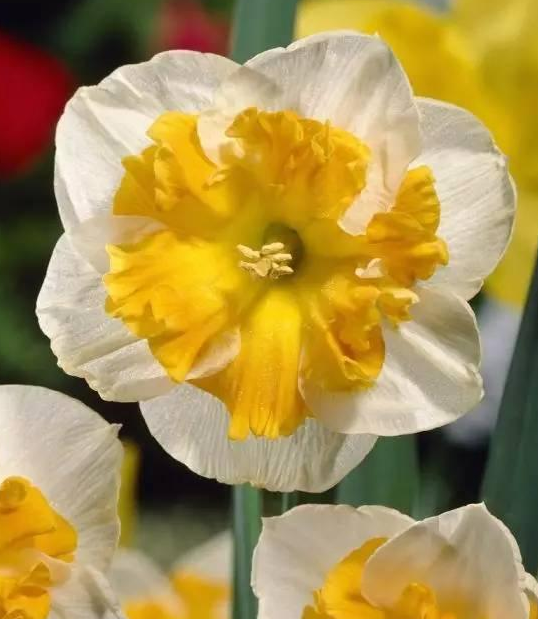
Soil-cultivation method for narcissus:
It is rarely used by households, that is, using the cultivation method of most moist-soil flowers to cultivate narcissus. In mid-to-late October, use fertile sandy soil to plant large bulbs into a small flowerpot with holes, planting half and leaving half exposed. Some fine sand should be placed under the bulbs in advance to help drainage.
Place the flowerpot indoors in a sunny place with suitable temperature.
4 to 12°C is best. If the temperature is too low, frost damage is likely to occur. If the temperature is too high and there is also insufficient light, it is likely to grow leggy, with weak and slender plants and a short flowering time, reducing ornamental value.
During management, if the light and temperature requirements are met, the leaves will be thick and large and the flower stems sturdy, so the flowers can bloom larger and the fragrance lasts. For soil-cultivated narcissus, apply liquid fertilizer two to three times before flowering.
Because of limited climatic conditions, narcissus cannot reproduce on its own. When cultivating narcissus, if there are no pest or disease problems, there is no need to spray chemicals.
Methods to make the narcissus flowering period longer:
When the room temperature is ≥13°C, the flowering period is only about 7 days;
At 8-12°C, the flowering period can last as long as 15-20 days;
At 15-20°C, the flowering period is 10 days;
If the room temperature is kept at around 4°C, the flowering period can last as long as 1 month. According to the temperature conditions in the Pearl River Delta region, the flowering period can generally be maintained for 10 days.
That is all for the introduction to the soil-cultivation method for narcissus. Hurry up and use these methods to make the narcissus flowering period longer.
Water-cultivation method for narcissus and care of narcissus
There are many varieties and colors of narcissus, with beautiful flower colors and a pleasant fragrance. Many people like to grow it indoors in water, and it is very ornamental. So, how do you grow narcissus in water? How do you care for it? Below, I will introduce the water-cultivation method for narcissus, as well as the care of narcissus.
Water-cultivation method for narcissus
1. Selection of narcissus bulbs
Choose ones with many flower buds, preferably flat, round, firm, large bulbs with a diameter of more than 8 cm, and press both sides of the bulb; a brown bulb with a columnar object inside and a firm feel is best.
2. Cleaning of narcissus bulbs
Remove the brown outer coating, root-protecting soil, and brown rotten roots from the outside of the bulb. Use a carving knife to cut vertically downward 2-3 cm on both sides of the top of the narcissus bulb where no small bulbs have grown, with a depth of 1/3 of the bulb, cutting only the scales, and absolutely do not damage the tender leaf buds. Then sprinkle carbendazim into water, soak the narcissus in it for a day and a night, and then wash off the mucus on the narcissus.
3. Care of narcissus bulbs
Place the bulb into a hydroponic container, add clean water, preferably until it covers 1/3 of the bulb. Quartz sand or pebbles can be used to fix the bulb. During the care period of narcissus, sufficient light can make the narcissus leaf buds thick and sturdy and the leaf color deep green. Therefore, during the day it should be placed where sunlight can reach it, and at night it can also be placed under light.
When first placed in the pot for water cultivation, the water needs to be changed daily, then once every 2-3 days. After the flower buds form, the water can be changed once a week. Narcissus grows well in a 10-15°C environment. If you want to delay the flowering period, you can lower the water temperature, or pour out all the water in the pot in the evening and add clean water the next day. On the contrary, you can increase the water temperature to force flowering, and the water temperature should preferably be 15°C.
During the care period of narcissus, no flower fertilizer is needed. During the flowering period, a little quick-acting phosphorus fertilizer can be applied to make the flowers bloom even better. When the flowers are all in full bloom, a small amount of table salt can be put into the pot to extend the flowering period. Absolutely do not put salt when the narcissus is in bud, as this will instead inhibit the opening of the narcissus.
Care of narcissus
1. Aspirin can help narcissus bloom
Use 1-2 aspirin tablets, put them into water and dissolve them thoroughly, replacing the clean water in the narcissus pot. This can make the flowers stronger and more flourishing.
2. Increasing temperature to force narcissus to bloom
Narcissus grows slowly at low temperatures, and the method of increasing temperature can be used to force flowering:
Increasing temperature with sunlight: move it outdoors in the sunlight during the day, or indoors in front of a sunny south-facing glass window, until it blooms.
Increasing temperature with light: cover the flowerpot with a plastic cover and turn on an electric light to shine on it. Stop when the temperature inside the cover rises to 23°C.
Increasing temperature with an electric heater: turn on an electric heater or place a hair dryer in a position where it will not scald the narcissus, letting warm air blow gently over the plant continuously for several days until the flowers bloom.
Increasing temperature with warm water: put a small amount of warm water into the water basin and let the water temperature rise to 12-15°C.
3. Salt extends the narcissus flowering period
When the narcissus flowers are all in full bloom, put a small amount of table salt into the pot to extend the flowering period. Absolutely do not put salt when the narcissus is in bud and about to bloom, otherwise it will instead inhibit the opening of the flower buds.
Or grind two aspirin tablets into powder, put them into 1000 ml of water, and after they dissolve, sprinkle it into the pot of blooming narcissus. This can extend the narcissus flowering period by about one week.
4. Method for enhancing color
When the narcissus flower stem grows to a height of about 25 cm, use a medical syringe to inject an aqueous solution of food coloring used for steaming pastries into the stem, with the injection point at the upper 1/4 of the stem height.
5. Prevent root rot.
First, if the water is emptied at night, the fibrous roots will not dry out. Fibrous roots turning yellow and soft: change the water frequently. Narcissus must maintain clean water; it is best to change the water once every 2-3 days to prevent root rot. The yellowed areas can be gently brushed with a soft toothbrush.
The above is the introduction to the water-cultivation method for narcissus and the care of narcissus. Is everyone clear now? For more home knowledge, please pay attention.
[Hydroponic narcissus] Cultivation method and precautions for hydroponic narcissus
For hydroponic narcissus, place the carved and treated narcissus bulb upright or flat into a shallow narcissus basin, and add water until it covers one third of the bulb. Quartz sand, pebbles, and the like can be used in the basin to fix the bulb. Below is a detailed introduction to the narcissus cultivation method.
Cultivation method for hydroponic narcissus 1. Selection of narcissus bulbsChoose ones with many flower buds, preferably flat, round, firm, large bulbs with a diameter of more than 8 cm, and press both sides of the bulb; a brown bulb with a columnar object inside and a firm feel is best.
2. Cleaning of narcissus bulbsRemove the brown outer coating, root-protecting soil, and brown rotten roots from the outside of the bulb. Use a carving knife to cut vertically downward 2-3 cm on both sides of the top of the narcissus bulb where no small bulbs have grown, with a depth of 1/3 of the bulb, cutting only the scales, and absolutely do not damage the tender leaf buds. Then sprinkle carbendazim into water, soak the narcissus in it for a day and a night, and then wash off the mucus on the narcissus.
3. Care of narcissus bulbsPlace the bulb into a hydroponic container, add clean water, preferably until it covers 1/3 of the bulb. Quartz sand or pebbles can be used to fix the bulb. During the care period of narcissus, sufficient light can make the narcissus leaf buds thick and sturdy and the leaf color deep green. Therefore, during the day it should be placed where sunlight can reach it, and at night it can also be placed under light.
4. Use good waterFor growing narcissus, it is best to use clean spring water, well water, rainwater, or river water. Be sure to change the water once every 1-2 days, and never damage the roots when changing the water. Since the narcissus bulb already stores a large amount of nutrients, there is no need to apply additional fertilizer during water cultivation.
5. Temperature controlThe suitable temperature for narcissus is 10°C-18°C, and the relative humidity is preferably 85%-95%, and it can tolerate a low temperature of 0°C. If you want to delay the flowering period, you can lower the water temperature, or pour out all the water in the pot in the evening and add clean water the next day. On the contrary, you can increase the water temperature to force flowering, and the water temperature should preferably be 15°C.
6. Understanding fertilizationDuring the care period of narcissus, no flower fertilizer is needed. During the flowering period, a little quick-acting phosphorus fertilizer can be applied to make the flowers bloom even better. When the flowers are all in full bloom, a small amount of table salt can be put into the pot to extend the flowering period. Absolutely do not put salt when the narcissus is in bud, as this will instead inhibit the opening of the narcissus.
7. Care method for hydroponic narcissusDuring the day with sufficient sunlight, it should be placed in a sunny spot, and at night it should be put back indoors (one point is very important: all the water in the pot must be poured out, and the growth of the leaves is controlled in this way). Add clean water again early the next morning, and remember not to move the bulb.
When first potted, the narcissus should have its water changed once a day, and later once every 2-3 days. When it forms flower buds, it can be watered once a week. Let the narcissus be guaranteed to bloom in about 45 days, so the flowering period can be maintained for more than a month.
Advantages of hydroponic narcissus1. For water-grown narcissus, fertilization is generally not needed; clean water alone is enough. If conditions permit, applying a little quick-acting phosphorus fertilizer during the flowering period can make the flowers bloom better.
2. If you want to delay the flowering period, you can adopt the method of lowering the water temperature, or adopt the practice of pouring out all the water in the pot in the evening and then adding clean water early the next morning. In addition, if full flower buds cannot be seen 10 days before the festival, the method of warming the water can be used to force flowering, and the water temperature should preferably be close to body temperature.
Precautions for hydroponic narcissus 1. Prevent “blind flowers“Poor quality narcissus bulbs, weak constitution, small bulbs; improper care. Caused by poor ventilation, insufficient light, inappropriate water changes, etc.; improper water-cultivation season, water cultivation after the temperature rises; note that if tap water is used to grow flowers, the water needs to be left to stand for one day before use.
2. Control the flowering periodWater cultivation in autumn and winter, flowering in spring, about a period of 40-45 days.
3. Prevent excessive growthDuring water cultivation, remove the brown coating, cut crosswise and lengthwise on the narcissus bulb, and place it in a shallow basin for cultivation. (Remember not to damage the flower buds.) Sufficient light avoids leggy leaf growth.
4. Narcissus is toxicThe roots, stems, leaves, and flowers of narcissus are toxic. Never let children touch or even bite them.